




TECHNICAL SUPPORT


Published 2026-01-19
Imagine you're building a machine—maybe a robotic arm or an automated conveyor system. Everything is set: the motors are humming, the gears are turning, but something feels off. The pieces don’t quite talk to each other smoothly. One part moves too fast, another lags behind, and when a sensor detects an issue, the whole line pauses awkwardly. It’s like watching a play where the actors miss their cues.
That’s where the old way of designing control systems starts to creak. You’ve got software services bundled together, each waiting for its turn, sometimes stuck in loops, sometimes just… idle. A change in one part means retesting everything. Delays pile up. It’s not just inefficient—it’s fragile.
But what if each function could act on its own, triggered only when needed? What if your system could respond to events—a signal, a command, a sensor input—instantly, without waiting in line?
Welcome to the idea of event-driven microservices. Think of it like a busy kitchen during a dinner rush. The chef doesn’t shout orders step-by-step. Instead, one cook chops veggies and passes them along the moment they’re ready. Another grill chef starts searing as soon as the meat arrives. A bell rings when an order is up. Each station works independently, yet they’re perfectly synced through events: the “chop done” event, the “meat ready” event, the “plate needed” event. No one stands around waiting. Everything flows.
So, how does this fit into motion control and automation? Let’s break it down without getting tangled in jargon.
Traditional systems often run like a monolith—a big block of code where every function is tightly coupled. Adjust one parameter, and you risk shaking the whole structure. But with an event-driven microservices approach, you split those functions into small, independent units. Each one listens. Each one reacts. Aservoneeds to reposition? That’s an event. A sensor detects an obstacle? That’s another event. These events trigger only the relevant service to respond, leaving the rest of the system undisturbed.
You might wonder: isn’t this just a fancy software trend? Not really. It’s a shift in mindset. In mechanical setups, responsiveness is everything. Lag means missed precision. Over-communication means wasted cycles. Event-driven design cuts through that. It lets your system be both agile and robust—like giving each component a bit of intuition.
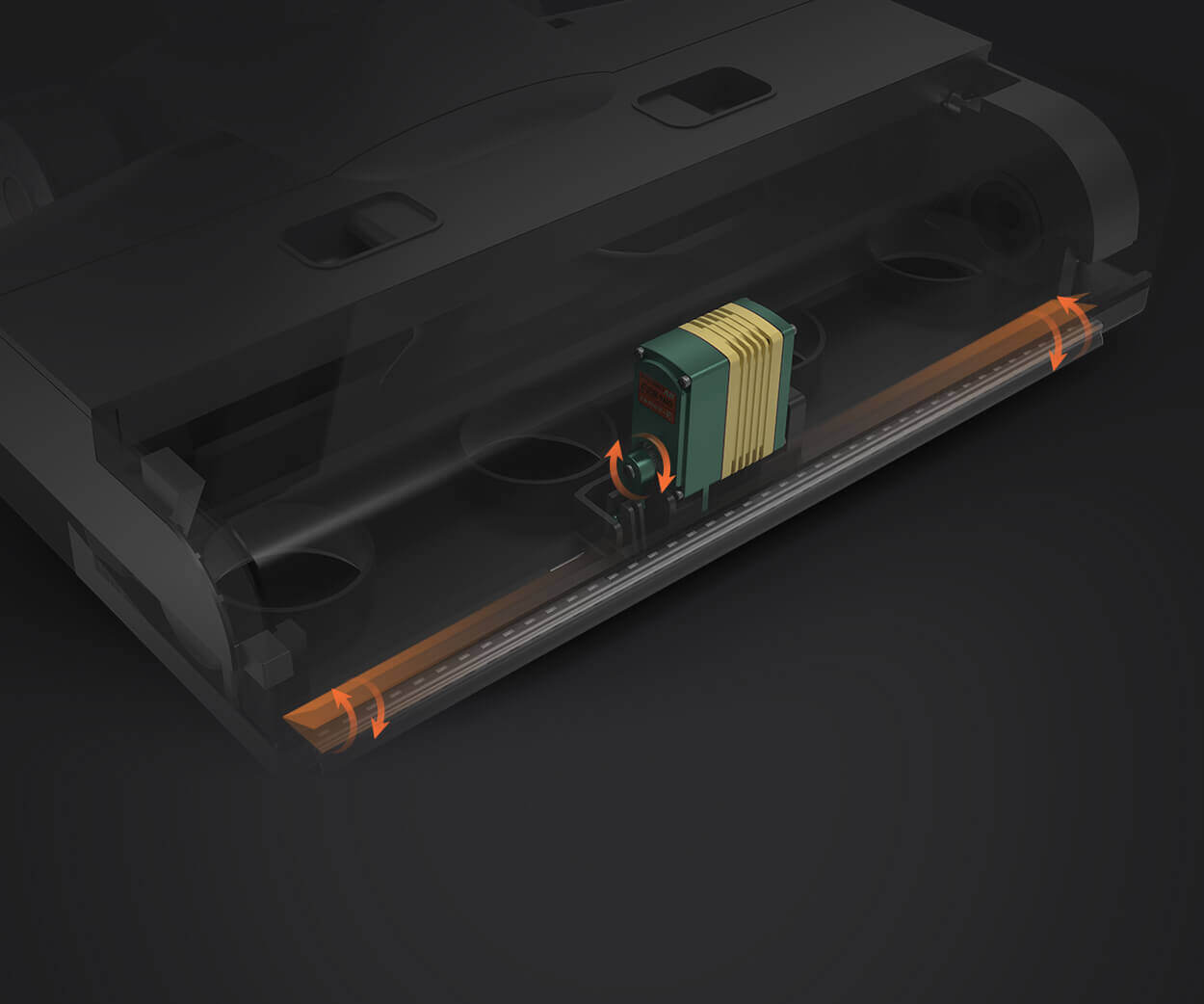
Why does this matter day-to-day? Picture a packaging line. A photo sensor spots a misaligned box. In a rigid system, that might trigger a full stop while a central processor figures out what to do. With event-driven microservices, the sensor fires an event directly to the correct actuator, which tweaks the guiding rail in real-time. The line never halts. Throughput stays high. Maintenance becomes simpler—you update or fix one service without taking the whole machine offline.
Now, let’s get practical. How do you move toward this?
Start by observing your current setup. Where are the delays? Which processes depend heavily on others? Identify the “events” in your workflow—those moments when something changes, a signal is sent, or an action must follow. Then, gradually decouple those tasks into independent services. It doesn’t require a full overhaul overnight. Even introducing a few event-driven modules can bring noticeable fluidity.
But here’s a question: how do you ensure these independent services work in harmony? It comes down to clear event definitions and lightweight communication. Think of it as setting clear handshake rules—everyone knows the protocol, so collaboration is seamless.
Some might say, “My setup works fine as is.” That’s fair. Yet in a world where adaptability defines competitiveness, why settle for fine? Event-driven microservices offer a pathway to systems that are more resilient, scalable, and easier to evolve. They turn rigid chains into dynamic networks.
Atkpower, we’ve seen how this approach can transform motion control projects. It’s not about selling a product—it’s about reimagining how machines communicate. By focusing on events, you build systems that feel more alive, more attuned to the moment. Less waiting, more doing.
So next time you watch your equipment run, ask yourself: could it be more responsive? If the answer hints at yes, perhaps it’s time to listen—not just to the hum of motors, but to the quiet potential of events waiting to unfold.
Established in 2005,kpowerhas been dedicated to a professional compact motion unit manufacturer, headquartered in Dongguan, Guangdong Province, China. Leveraging innovations in modular drive technology,kpowerintegrates high-performance motors, precision reducers, and multi-protocol control systems to provide efficient and customized smart drive system solutions. Kpower has delivered professional drive system solutions to over 500 enterprise clients globally with products covering various fields such as Smart Home Systems, Automatic Electronics, Robotics, Precision Agriculture, Drones, and Industrial Automation.
Update Time:2026-01-19

Contact Kpower's product specialist to recommend suitable motor or gearbox for your product.