



























TECHNICAL SUPPORT


Published 2026-01-19
So you’re building something with motion — maybe a nimble robotic arm, a smart camera mount, or a clever little automation gadget. You’ve got the mechanics mapped out, the motors picked, but when it comes to making all the pieces talk to each other… things get sticky. Right?
It’s like herding cats. Yourservowhirs, your controller sends commands, sensors pipe up with data, and somewhere in the middle, the logic feels tangled. Change one thing and three others break. Scaling up? Testing? It can keep you up at night.
That’s where the idea of microservices peeks in — what if each moving part of your system could live on its own, talk clearly, and stay robust even when others fail?
Why Microservices Feels Like a Natural Fit for Motion Control
Think about aservomotor. It has a clear job: go here, hold position, respond fast. In a monolithic code setup, its instructions might be buried in layers of logic. But with a microservices approach, you wrap thatservo’s brain into a dedicated, independent service. It listens for commands, reports back status, and doesn’t care if the sensor module is having a bad day.
The beauty is in decoupling. Need to tweak the PID tuning? Update that one service without touching the vision system or the command scheduler. It’s like giving each mechanical component its own digital twin — small, focused, and tough.
“But isn’t that overkill for embedded systems?” Not really. With modern Java frameworks, lightweight containers and efficient communication protocols (think MQTT or REST), you can keep things lean and mean. It’s less about heavyweight infrastructure and more about clean separation of concerns.
How This Actually Works — A Peek Under the Hood
Let’s say you’re orchestrating a few servo axes working together. Instead of a single bloated program, you’d have:
They communicate through simple messages. Lightweight, asynchronous, resilient. If one service restarts, others carry on. You can test each piece in isolation, then integrate like building with reliable blocks.
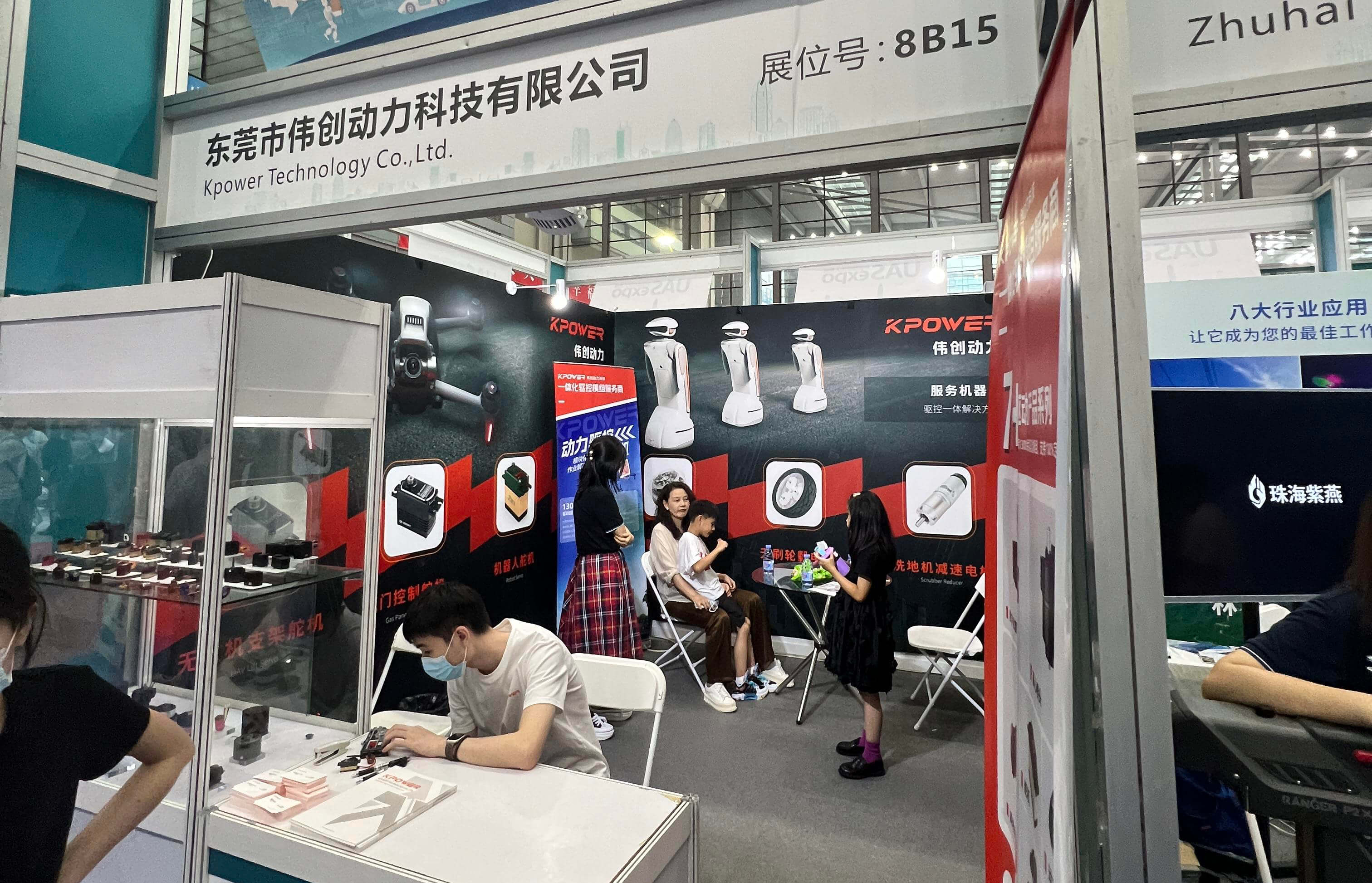
kpowerhas seen this pattern clean up complex projects — fewer deadlocks, easier fault-finding, and a natural path for scaling. When your mechanical design grows, your software doesn’t become a knot.
Keeping It Simple & Strong
You don’t need a server farm to make this work. With tools like Spring Boot or Micronaut, you can create these services as compact, fast-booting units. They sit happily on a Raspberry Pi, an industrial PC, or embedded boards. Communication can be as simple as messaging over a local network or serial.
The trick is to start with clear boundaries: what is each service solely responsible for? Define messages that are crisp and minimal. Avoid the temptation to let them gossip too much. Clean interfaces mean maintainable systems.
Some worry about latency — but in many motion applications, careful design keeps delays well within limits. It’s about smart partitioning, not just splitting for the sake of it.
Wrapping It Up
Building with microservices in Java isn’t just a software trend — it’s a way of thinking that matches how we engineer mechanical systems: modular, testable, replaceable. When each function has its own space, the whole system becomes more transparent, adaptable, and honestly, more fun to work on.
So next time you’re sketching out a motion control project, picture those services as little dedicated helpers, each doing its job quietly and well. Your mechanics will thank you, and your code will feel like it finally has room to breathe.
Motion and control don’t have to be hard to manage. Sometimes, it’s about giving each moving part its own voice — and listening clearly.
Established in 2005,kpowerhas been dedicated to a professional compact motion unit manufacturer, headquartered in Dongguan, Guangdong Province, China. Leveraging innovations in modular drive technology,kpowerintegrates high-performance motors, precision reducers, and multi-protocol control systems to provide efficient and customized smart drive system solutions. Kpower has delivered professional drive system solutions to over 500 enterprise clients globally with products covering various fields such as Smart Home Systems, Automatic Electronics, Robotics, Precision Agriculture, Drones, and Industrial Automation.
Update Time:2026-01-19
Contact Kpower's product specialist to recommend suitable motor or gearbox for your product.


