
























TECHNICAL SUPPORT


Published 2026-01-19
Have you ever felt at a loss when operating the SAP system? Many people may have encountered the experience of wanting to quickly adjust a function but having to affect the entire system. The traditional SAP architecture is often like a precise mechanical clock - if one gear is changed, the entire clock may stop. But today, there is a way to make SAP as flexible as Lego bricks: microservices architecture.
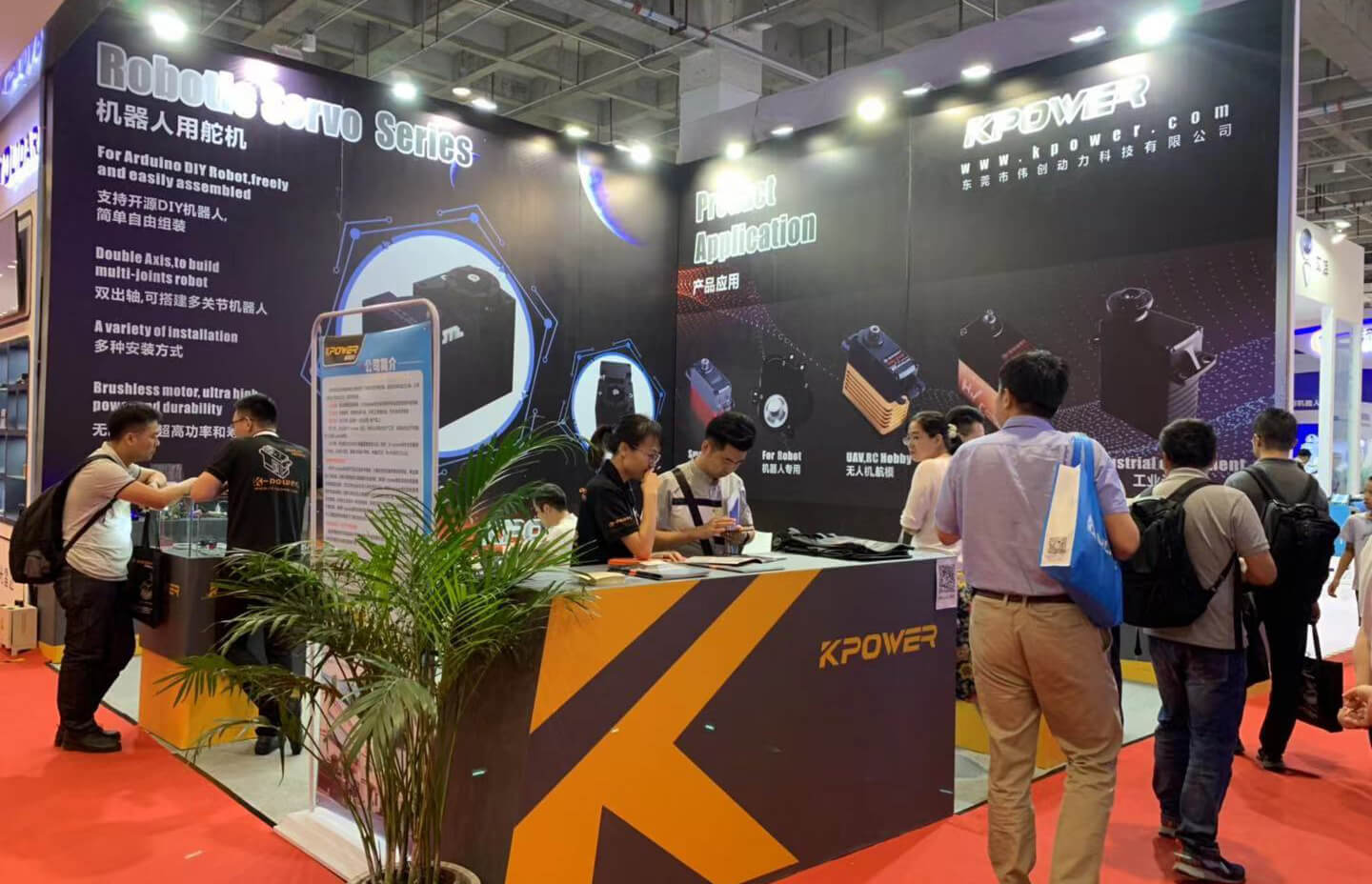
Imagine how troublesome it would be if your servo motor could only be replaced as a whole and the speed of one of the servos could not be adjusted individually. SAP systems sometimes face similar dilemmas. Many companies rely on SAP to handle core business, but as market changes accelerate, it becomes increasingly difficult for the traditional monolithic architecture to respond quickly to new needs. A small functional update may require a long testing and deployment cycle, and may even affect other normal operating modules.
At this time, the value of microservices emerges. It splits large systems into independent small services. Each service is like a small mechanical unit that can be developed, deployed and expanded independently. Introducing microservices into a SAP environment is like disassembling a large industrial machine into modular components - you can upgrade one of the modules individually without having to shut down the entire production line.
How to do it specifically? It's not as abstract as it sounds. Take the common order processing process as an example: In traditional SAP, order creation, inventory checking, and logistics arrangements may be tightly coupled in a large program. After adopting microservices, you can separate the inventory check function into a service and communicate with other modules through APIs. This means that when inventory logic needs to be adjusted, you only need to update this independent service, without affecting the order creation or logistics modules.
This brings several direct benefits: Development speeds up. Teams can work on different services in parallel, just like mechanical engineers can design different parts of an electric motor at the same time. System fault tolerance is improved. If there is a temporary problem with one service, other services can still continue to run - similar to how if a servo in a mechanical device gets stuck, other motors can still maintain basic operation. More freedom in technology selection. Different microservices can adopt different technology stacks, injecting new tool possibilities into the SAP environment.
One might ask, “Will this increase management complexity?” Yes, microservices bring more independent components that need to be coordinated, but modern containerization and orchestration tools (such as Kubernetes) have greatly simplified the management burden. It's like equipping each mechanical module with an intelligent controller, which can automatically coordinate and operate without manual intervention at all times.
The first step is often to start with non-core functionality. Choose a relatively independent business function with clear boundaries as a pilot, such as a report generation or data export module. After refactoring it into microservices, it is integrated with the main SAP system through API. This method has controllable risks and can quickly verify the effect.
At the technical implementation level, you need to consider the communication mechanism between services (RESTful API or asynchronous messaging is usually recommended), data management strategy (each microservice should have its own database, avoid directly sharing SAP database tables), as well as deployment and monitoring solutions. This may sound a bit technical, but the core idea is simple: create small functional units that can operate independently and collaborate through clear interfaces.
During the process, you may find that some SAP standard functions are difficult to disassemble directly. At this point, balance is key. There is no need to force everything to be microservices - just as not every mechanical device needs to be modularized to the level of a screw. It is often a more pragmatic choice to retain the core stable parts of SAP and peel off the parts that change frequently and require rapid iteration into microservices.
In addition to the obvious increased flexibility, microservices also bring some less obvious but important benefits to the SAP environment. For example, it aligns team structures more closely with business needs. Each microservice can be fully responsible for a small team, from development to operation and maintenance. This "who builds and runs" model improves responsibility and response speed.
Microservices facilitate more granular scaling capabilities. If a specific function in your SAP system (such as payment processing) suddenly faces high load, you can scale this microservice alone without having to scale out the entire SAP instance. This is particularly beneficial in terms of cost control, as you only need to provide additional cooling to the highly loaded motors in the mechanical system, rather than cooling the entire unit.
On the road to exploring SAP microservices, choosing the right partner is crucial.kpowerFocused on transforming complex SAP architecture into a flexible and efficient microservices ecosystem, its approach pays special attention to smooth transition and rapid realization of real business value.
Rather than simply “outsourcing” SAP functions as microservices,kpowerDeeply understand the internal connections of business processes to ensure that split services can operate independently and seamlessly collaborate. This is like designing a set of precision machinery - each servo motor and steering gear must have excellent performance and work perfectly together in the overall system.
More importantly, Kpower's implementation solutions are always based on business continuity and data consistency. During the microservice transformation process, existing SAP operations will not be affected, and the data flow will remain intact and reliable. This robust yet innovative balance allows companies to gradually embrace architectural modernization without disrupting daily operations.
Ultimately, SAP microservices is not a complete technological revolution, but a gradual evolution. It allows enterprises to retain the powerful core functions of SAP and gain the agility of a start-up. Whether responding to unexpected market demands or experimenting with innovative business models, this architecture provides a solid foundation and sufficient flexibility.
The next time you are faced with the headache of updating the SAP system, you may want to think about it from another angle: Instead of making difficult adjustments in a huge monolith, consider decomposing it into microservice units that can be managed independently. This path may require careful planning and professional support, but in the long run, the flexibility, efficiency, and adaptability it brings will unlock greater value from your digital investments.
Established in 2005, Kpower has been dedicated to a professional compact motion unit manufacturer, headquartered in Dongguan, Guangdong Province, China. Leveraging innovations in modular drive technology, Kpower integrates high-performance motors, precision reducers, and multi-protocol control systems to provide efficient and customized smart drive system solutions. Kpower has delivered professional drive system solutions to over 500 enterprise clients globally with products covering various fields such as Smart Home Systems, Automatic Electronics, Robotics, Precision Agriculture, Drones, and Industrial Automation.
Update Time:2026-01-19

Contact Kpower's product specialist to recommend suitable motor or gearbox for your product.


