
























TECHNICAL SUPPORT


Published 2026-01-19
You build one service, then another. They talk, mostly. Then a third, a fourth—soon it’s a web of connections. A change in one place causes a ripple you didn’t expect. Debugging feels like finding a needle in a stack of needles. Sound familiar? That’s the messy reality many face after diving into microservices without a blueprint.
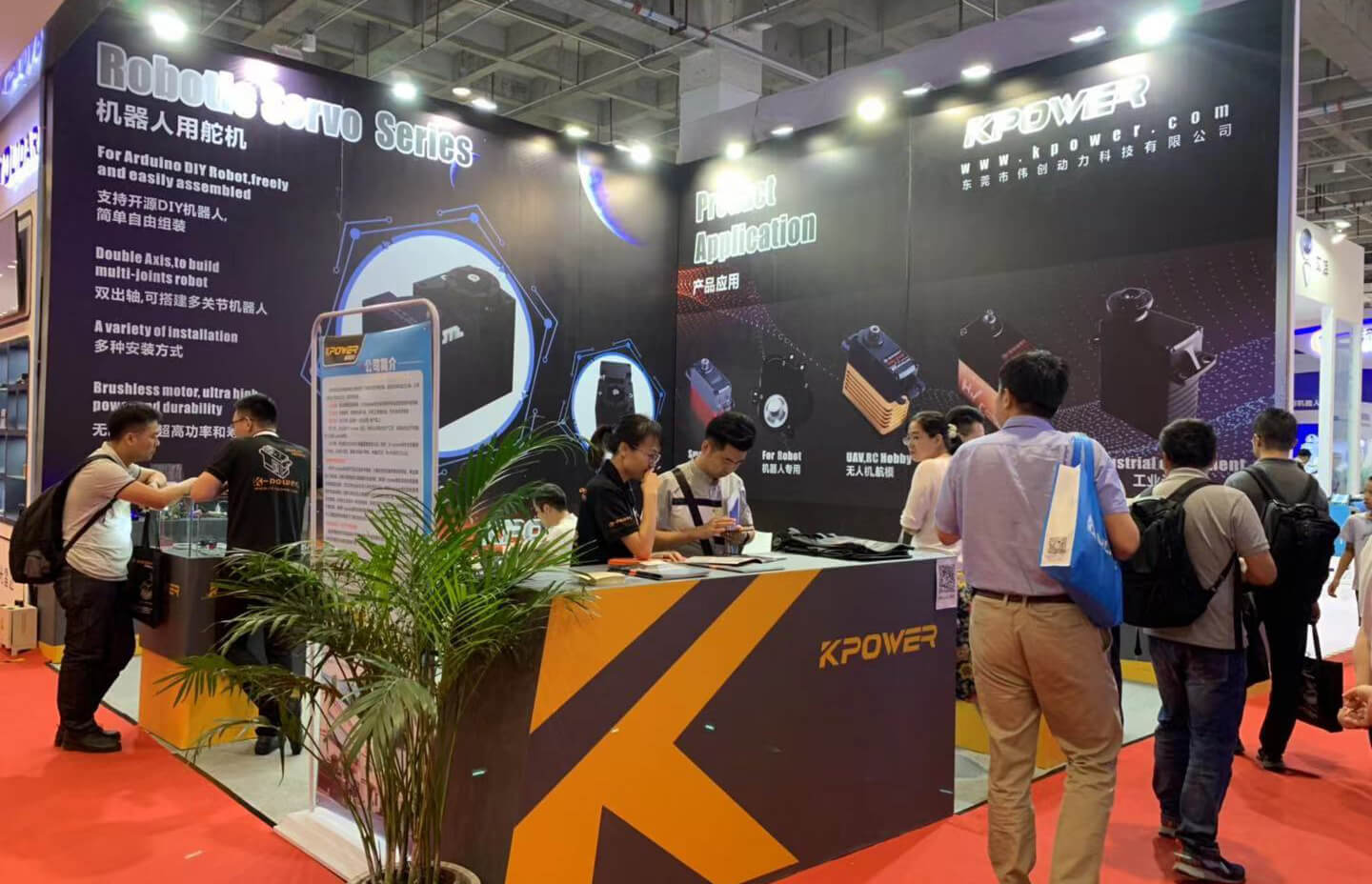
It’s like having all the parts for a precise motion system—yourservos, gears, controllers—but no design for how they should work together. The result? Jerky movements, wasted energy, and a machine that just doesn’t perform as smoothly as you imagined.
That’s where design patterns come in. They’re not just textbook theory; they’re the seasoned tricks and reliable blueprints that stop the chaos. Think of them as the proven linkages and control logic for your digital ecosystem.
Good question. Let’s ditch the jargon. Imagine you’re organizing a workshop. You wouldn’t have every tool share a single power cord—one fault shuts everything down. Instead, you’d give each major station its own circuit. That’s the Circuit Breaker pattern: isolating failures so one service’s hiccup doesn’t black out your whole application.
Or consider how data flows. Should every service go directly to the main database, creating a traffic jam? Probably not. Sometimes, it’s smarter to have one service (the “Aggregator”) collect needed data from others and deliver a single, neat package. It reduces chatter and simplifies the client’s job.
Then there’s the sidecar. Not the motorcycle kind, but the idea of attaching a helper process (the sidecar) to your main service to handle cross-cutting stuff like logging, monitoring, or security. It keeps your main service lean and focused on its core job.
Patterns bring order. They translate into systems that are, frankly, more robust and easier to live with.
First, resilience. With patterns like Retry or Fallback, your system gains manners. If a request fails temporarily, it tries politely again. If a service is down, it can offer a basic response instead of just crashing. The user experience stays smooth even when backend gears grind.
Second, clarity. Using a known pattern is like speaking a common language. When a new person joins your project and sees you’ve implemented an API Gateway, they immediately understand the traffic flow. It cuts onboarding time and makes teamwork seamless.
Third, scalability. Patterns often decouple services. They communicate through events or messages, not tight, direct calls. This means you can scale the busiest part without dragging the whole chain along for the ride. It’s efficient, like tuning aservo’s response without rebuilding the entire arm.
This isn’t about grabbing a list and checking boxes. The right pattern depends on the problem at your doorstep.
Ask yourself: Is the issue about communication? Look at patterns for interaction—Messaging, Event Sourcing. Is it about data? Think about CQRS (Command Query Responsibility Segregation) or Saga patterns for managing transactions across services. Is it about deployment and observation? The sidecar or Ambassador pattern might be your friend.
It starts with listening to your own system’s pain points. The pattern should serve you, not the other way around.
Atkpower, we see these patterns as fundamental tools in our toolkit. Working with motion control and mechanical systems teaches you that reliability comes from intelligent design, not just strong components.
We apply the same thinking to digital architectures. For instance, ensuring service discovery is robust so that services find each other as reliably as a well-calibratedservoreceives its control signal. Or structuring data flow to be as predictable and efficient as the mechanical transmission of force.
The goal is always a harmonious system. One where the patterns work silently in the background, giving you the freedom to focus on building features, not fighting fires. The outcome is software that feels engineered—purposeful, dependable, and smooth.
It turns a tangled web into a well-orchestrated machine. And that’s the kind of craftsmanship that endures.
Looking for that harmony in your own projects? The right design patterns might just be the missing piece. Explore with intention, and build systems that not only work but work well together.
Established in 2005,kpowerhas been dedicated to a professional compact motion unit manufacturer, headquartered in Dongguan, Guangdong Province, China. Leveraging innovations in modular drive technology, Kpower integrates high-performance motors, precision reducers, and multi-protocol control systems to provide efficient and customized smart drive system solutions. Kpower has delivered professional drive system solutions to over 500 enterprise clients globally with products covering various fields such as Smart Home Systems, Automatic Electronics, Robotics, Precision Agriculture, Drones, and Industrial Automation.
Update Time:2026-01-19

Contact Kpower's product specialist to recommend suitable motor or gearbox for your product.


