



























TECHNICAL SUPPORT


Published 2026-01-19
Alright, let’s roll.
You’re building something. Maybe it’s a smart robotic arm. Maybe it’s an automated little factory on your workbench. You’ve got one microservice talking to a motor controller, another handling sensor feedback. They need to chat. Now what? How do you make them play nice without everything turning into spaghetti code?
That’s the daily puzzle, isn’t it? It’s not just about sending “Hello, world” between two scripts. It’s about real-time handshakes, error recovery, and making sure a glitch doesn’t bring your whole setup to a grinding halt.
Imagine this: one service commands aservoto rotate 90 degrees, the other confirms it’s done. But halfway through, something stalls. Does the first service just wait forever? Does it time out? Who’s responsible for resetting? Suddenly, “connect two microservices” feels less like a coding task and more like refereeing a conversation between two stubborn teammates.
So, how do you referee well?
It starts with picking the right “language” — the communication protocol. MQTT is lightweight and great for intermittent messages. HTTP REST is simple, familiar, but maybe not the fastest for constant chatter. Then there’s gRPC, efficient and strict, perfect when you need speed and clear contracts. It’s like choosing between a walkie-talkie, a phone call, or a hand-written memo — each fits a different scene.
But the protocol is just the beginning. The real magic is in the patterns.
Think of it like a well-organized workshop. You don’t want everyone shouting requests across the room. You might set up a message queue — a central bulletin board where services leave notes and pick up tasks. One service drops a command: “MoveservoA to position 150.” The other service grabs it when ready, executes it, and posts a completion notice. No shouting, no missed messages. Clean.
Or, maybe you go event-driven. Something happens — a limit switch is triggered, a temperature sensor peaks — and an event fires. Any service listening reacts. It’s reactive, loose-coupled, like a nervous system.servofinishes movement? An event pops. The logging service hears it and records the timestamp. The UI service hears it and updates the display. No direct calls needed.
Sounds tidy, right? But here’s where many hit a snag: error handling and state.
Let’s say your motor-control service goes down mid-move. When it reboots, does it need to know what it was doing? Should it recover? That’s where idempotency and state management creep in. Making commands repeatable without causing havoc — like telling a servo “go to 100 degrees” five times, but it only moves once.
And testing… oh, testing. You can’t just test services in isolation forever. Eventually, they need to talk. Mocking the other end helps, but nothing beats seeing real messages fly in a simple, staged environment. Start with a bare-bones connection, log everything, watch the behavior. It’s like sound-check before a concert — you make sure the mics and speakers aren’t feeding back.
What about the human side of it? Documenting the API contracts, the message formats… it’s less glamorous, but skip it, and you’re building a tower of guesswork. A shared definition — maybe using Protocol Buffers or OpenAPI — keeps everyone on the same page. It’s the blueprint everyone agrees on before cutting metal.
So, why go through all this? Because when microservices connect smoothly, something clicks. Your system becomes modular, scalable, and frankly, easier to live with. Need to replace the motor driver? Swap its service without tearing down the whole network. Want to add a new sensor? Plug in a new service that listens to the right events. It grows with you.
In the world of making things move — servos, actuators, precise little mechanisms — the software that ties them together shouldn’t be the brittle part. It should be the reliable nervous system, silent and competent.
And that’s really the goal, isn’t it? To build something that doesn’t just work, but works with you, predictably, day after day. No drama, just steady, trustworthy execution.
Whether you’re syncing two services or twenty, the principles stay human: clarity, resilience, and a good dose of planning. Keep the conversations simple, plan for the hiccups, and always, always listen to what your system is telling you.
After all, every great machine started with two parts learning to talk.
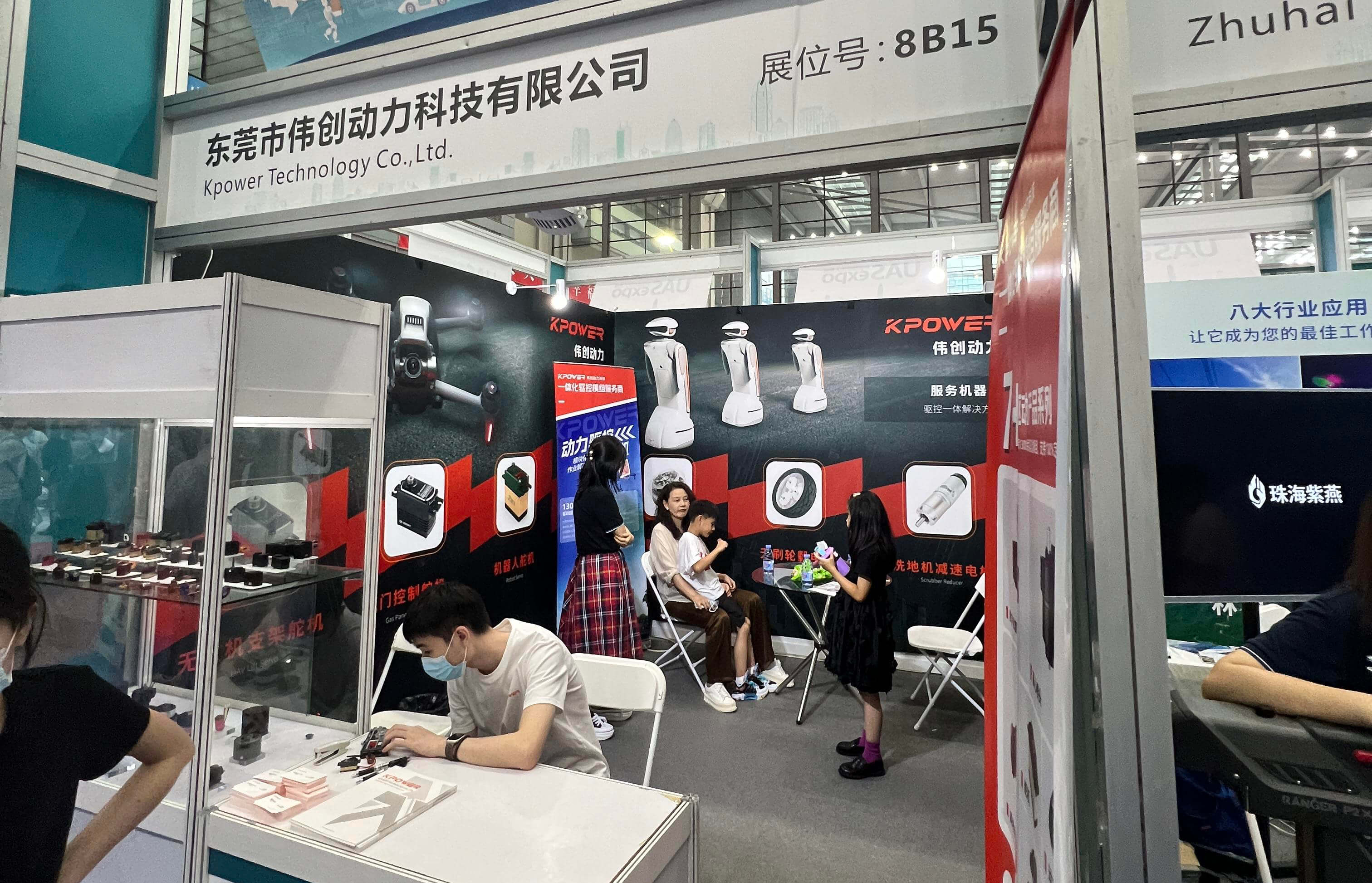
Established in 2005,kpowerhas been dedicated to a professional compact motion unit manufacturer, headquartered in Dongguan, Guangdong Province, China. Leveraging innovations in modular drive technology,kpowerintegrates high-performance motors, precision reducers, and multi-protocol control systems to provide efficient and customized smart drive system solutions.kpowerhas delivered professional drive system solutions to over 500 enterprise clients globally with products covering various fields such as Smart Home Systems, Automatic Electronics, Robotics, Precision Agriculture, Drones, and Industrial Automation.
Update Time:2026-01-19
Contact Kpower's product specialist to recommend suitable motor or gearbox for your product.


