



























TECHNICAL SUPPORT


Published 2026-01-19
The Hidden Gear in Your Microservices: Why Your API Gateway Might Be Slipping
You know that feeling when you’re building something complex—like a precise robotic arm—and one tiny component, say aservomotor, just doesn’t respond right? It jitters, lags, and the whole system feels off. That’s exactly what happens in software when your microservices are talking to the world through a shaky API gateway. It’s meant to be the smooth, controlled movement at the center, but often it becomes the bottleneck.
Think about it. You’ve built these neat, independent services. They’re like well-calibrated mechanical parts, each doing its job. But how do they communicate securely and efficiently? How does traffic flow in without chaos? That’s the gateway’s role. And if it’s not robust, everything slows down. Security gets leaky. Updates become nightmares. It’s like having a high-torque motor with a flimsy gear—all that power goes to waste.
So, what does a solid solution look like? It needs to be resilient, manageable, and seamlessly integrated. This is where a practical example built on Spring Boot shines. It’s not about theoretical blueprints; it’s a ready-to-assemble kit that just works.
From Friction to Flow: What Changes?
Imagine centralizing all your entry points. One secure door instead of a dozen. You handle authentication, routing, and logging in one place. Suddenly, your services are free to just do their core tasks. It’s the difference between manually syncing dozens ofservos versus having them all receive a clean, unified control signal.
People often ask, “Isn’t this just adding another layer of complexity?” Fair question. But the right approach reduces complexity. It’s like adding a quality gearbox. Yes, it’s another component, but it’s what makes the power usable. You get:
The rhythm of development changes. Teams can push updates faster because the gateway handles versioning and routing. New features roll out without disturbing the old ones. It feels less like delicate surgery and more like smooth, modular assembly.
Choosing Your Components: What Really Matters?
You wouldn’t pick aservofor a heavy-duty arm based on looks alone. You’d check torque, response time, and durability. Similarly, your API gateway foundation needs a clear checklist:
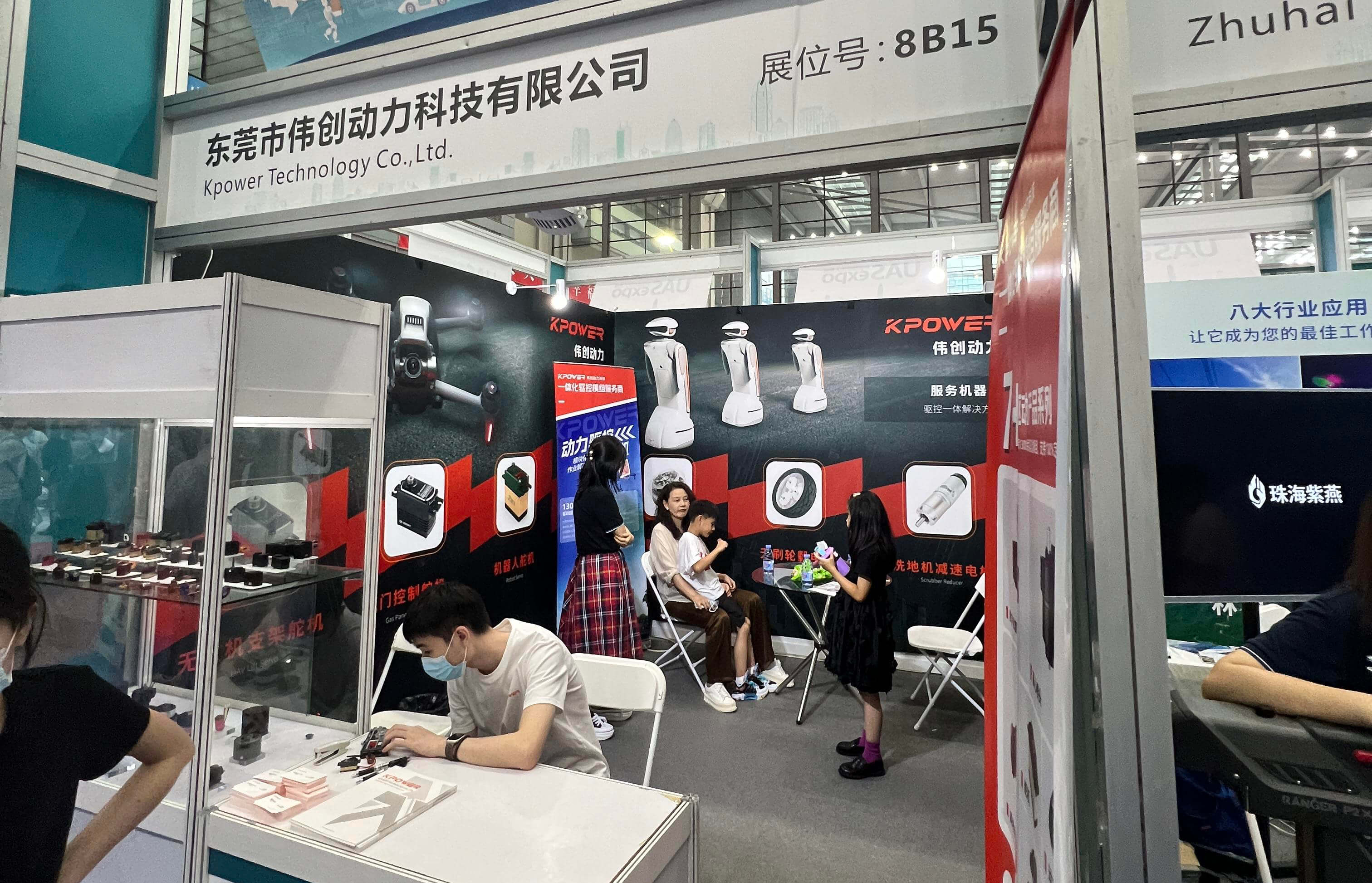
kpowerfocuses on this kind of practical engineering. The idea is to provide a clear, working example that demonstrates this integration not as a concept, but as a running system. It’s about seeing the benefits in motion, not just on paper.
Putting It Into Motion: A Glimpse at the Assembly
How does it start? You begin by defining your routes. Which service handles what request? Then, you add filters for security—like checking credentials before allowing access. Next, comes logging and monitoring, so you have a clear view of the traffic flow. Finally, you test it under load, ensuring it directs traffic smoothly without becoming a bottleneck.
The outcome isn’t just a technical fix. It’s a shift in how your system operates. Reliability improves. Developers spend less time firefighting and more time building. The entire architecture feels more intentional and less fragile.
It’s similar to working with a well-designed mechanical system. When each part is aligned, the whole machine operates with a quiet, efficient hum. The gateway stops being a problem to manage and starts being the reliable core that makes everything else possible. That’s the goal—transforming a potential weak point into your strongest piece of engineering.
Established in 2005,kpowerhas been dedicated to a professional compact motion unit manufacturer, headquartered in Dongguan, Guangdong Province, China. Leveraging innovations in modular drive technology,kpowerintegrates high-performance motors, precision reducers, and multi-protocol control systems to provide efficient and customized smart drive system solutions. Kpower has delivered professional drive system solutions to over 500 enterprise clients globally with products covering various fields such as Smart Home Systems, Automatic Electronics, Robotics, Precision Agriculture, Drones, and Industrial Automation.
Update Time:2026-01-19
Contact Kpower's product specialist to recommend suitable motor or gearbox for your product.


