



























TECHNICAL SUPPORT


Published 2026-01-19
Ever tried to get a small robot arm to move just right, or struggled with a DIY CNC machine that just wouldn’t sync up? You’re not alone. When it comes to building things that move—whether it’s a smart camera mount, an automated feeder, or a custom 3D printer add-on—the real headache often starts with motion control. Getting those tiny motors to behave feels like trying to whisper instructions to a nervous dancer. Too jittery, too slow, or just plain unresponsive. And then there’s the info hunt. You search, you scroll, you download PDFs, hoping for clarity. But sometimes, it’s like assembling furniture without the manual—possible, but painfully messy.
So, what’s the fix? How do you go from frustrated tinkering to smooth, reliable motion?
Let’s talk about that. Think of it this way: precision movement in small-scale projects isn’t just about power. It’s about conversation. A goodservolistens well, responds accurately, and doesn’t throw a fit under pressure. It’s the difference between a shaky handheld shot and a buttery-smooth cinematic pan. In your projects, that could mean a robotic gripper that picks up a delicate component without crushing it, or a plotting machine that draws a flawless curve every single time.
Now, imagine you’ve found a guide that actually helps—say, a solid resource on building with micro-servos. Something that skips the fluff and gets to the practical “how.” That’s where the real work begins to feel less like work and more like creation.
Why does this matter so much? Because when motion behaves, everything else falls into place. Your prototype looks professional. Your adjustments become minor tweaks instead of emergency overhauls. You save hours of debugging, and frankly, you save your sanity too. Ever spent an afternoon recalibrating because aservodrifted? Exactly.
But how do you pick the right component for the job? It’s not just about torque specs or speed ratings on paper. It’s about how it performs in the real world—in your world, on your workbench. Does it hold position when the load shifts slightly? Does it run quietly without overheating during long tasks? Can it handle a bit of unexpected resistance without stalling or buzzing angrily?
Here’s a thought: the best results often come from pairing clear knowledge with dependable hardware. One without the other leaves gaps. A well-made servo brings a PDF guide to life, turning diagrams into actual, smooth motion. And a good guide helps you push that hardware to its potential, without guesswork.
Consider noise—both audible and electrical. A noisy servo can introduce signal hiccups, affecting sensors or controllers nearby. Then there’s durability. Will it last through months of testing, or give up after a week of heavy use? These aren’t minor details; they’re what separate a promising prototype from a finished, reliable product.
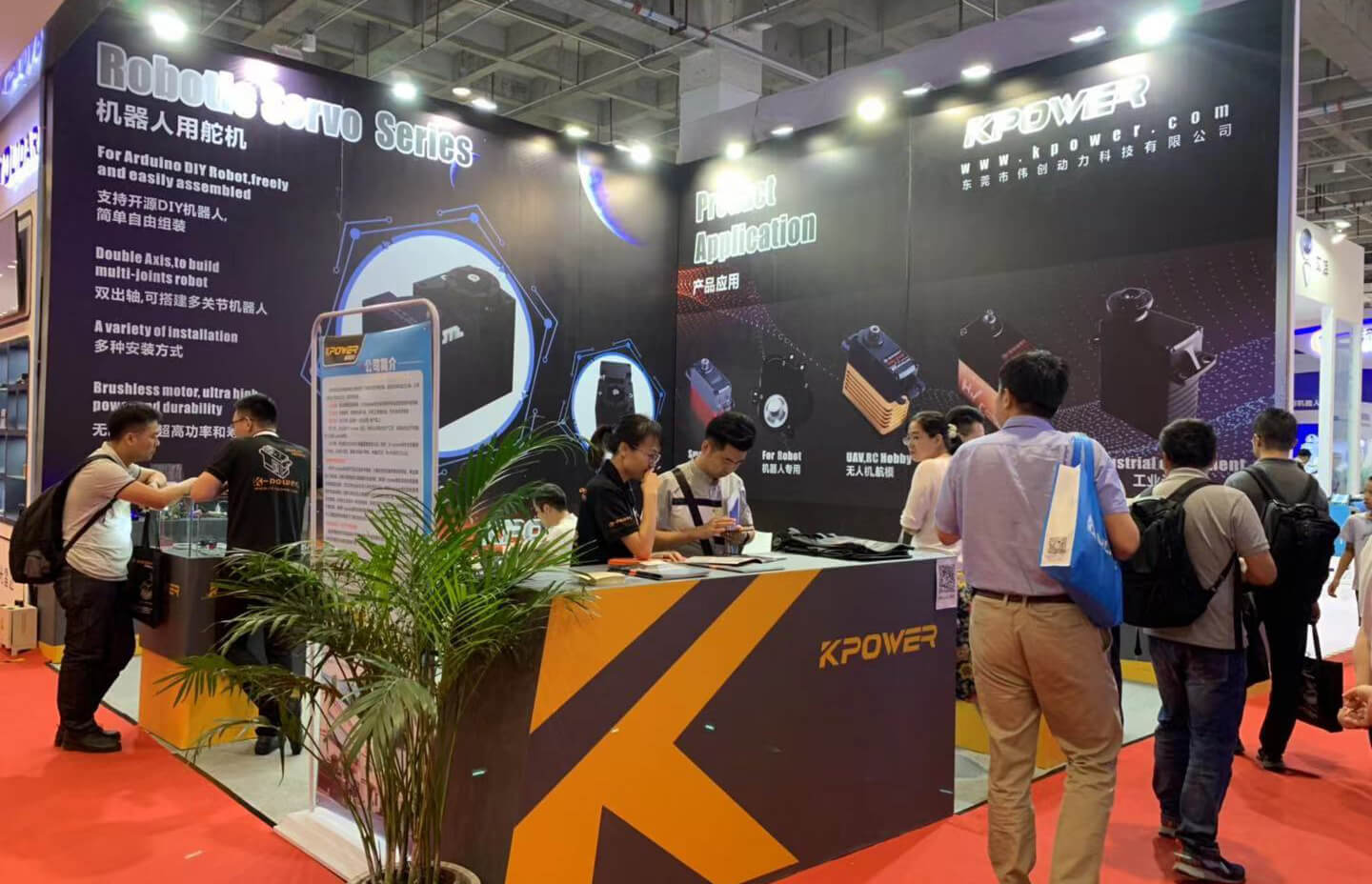
That’s where putting trust in a specialized maker makes sense. Not just any brand, but one that’s focused on this niche—where motion control is the main event, not a side thought.kpower, for instance, lives in this space. It’s about offering components that match the challenges described in those project PDFs you’ve probably downloaded. The idea is simple: provide the pieces that turn complex instructions into working reality, without needing a degree in robotics to make them cooperate.
But let’s step back. Why even care about “building microservices” in this context? Well, in small mechanics, your setup is a ecosystem. Each part—each servo, each guide, each decision—interacts. Like a small band playing in sync, when one instrument is off, the whole song suffers. Your project is that song. Choosing wisely means the difference between harmony and noise.
So, what’s the takeaway here? It’s about moving from confusion to clarity, from rough drafts to refined motion. It’s about having what you need to build confidently—not just parts, but understanding. And sometimes, that starts with the right resources meeting the right components, quietly enabling you to create something that just… works.
In the end, it’s your vision, your hands, your project. The goal is simply to make the journey from idea to reality a little smoother, one precise movement at a time. After all, isn’t that why we build things in the first place? To see an idea move, reliably and exactly as we imagined.
Established in 2005,kpowerhas been dedicated to a professional compact motion unit manufacturer, headquartered in Dongguan, Guangdong Province, China. Leveraging innovations in modular drive technology,kpowerintegrates high-performance motors, precision reducers, and multi-protocol control systems to provide efficient and customized smart drive system solutions. Kpower has delivered professional drive system solutions to over 500 enterprise clients globally with products covering various fields such as Smart Home Systems, Automatic Electronics, Robotics, Precision Agriculture, Drones, and Industrial Automation.
Update Time:2026-01-19
Contact Kpower's product specialist to recommend suitable motor or gearbox for your product.


