



























TECHNICAL SUPPORT


Published 2026-01-19
Sometimes you just hit a wall. You know the feeling — you have a clear vision for a project, maybe it’s a smart robotic arm, a dynamic camera rig, or an automated testing fixture. The 3D models look great, the circuit designs are solid, but when it comes to making things move with precision and reliability, things get… complicated.
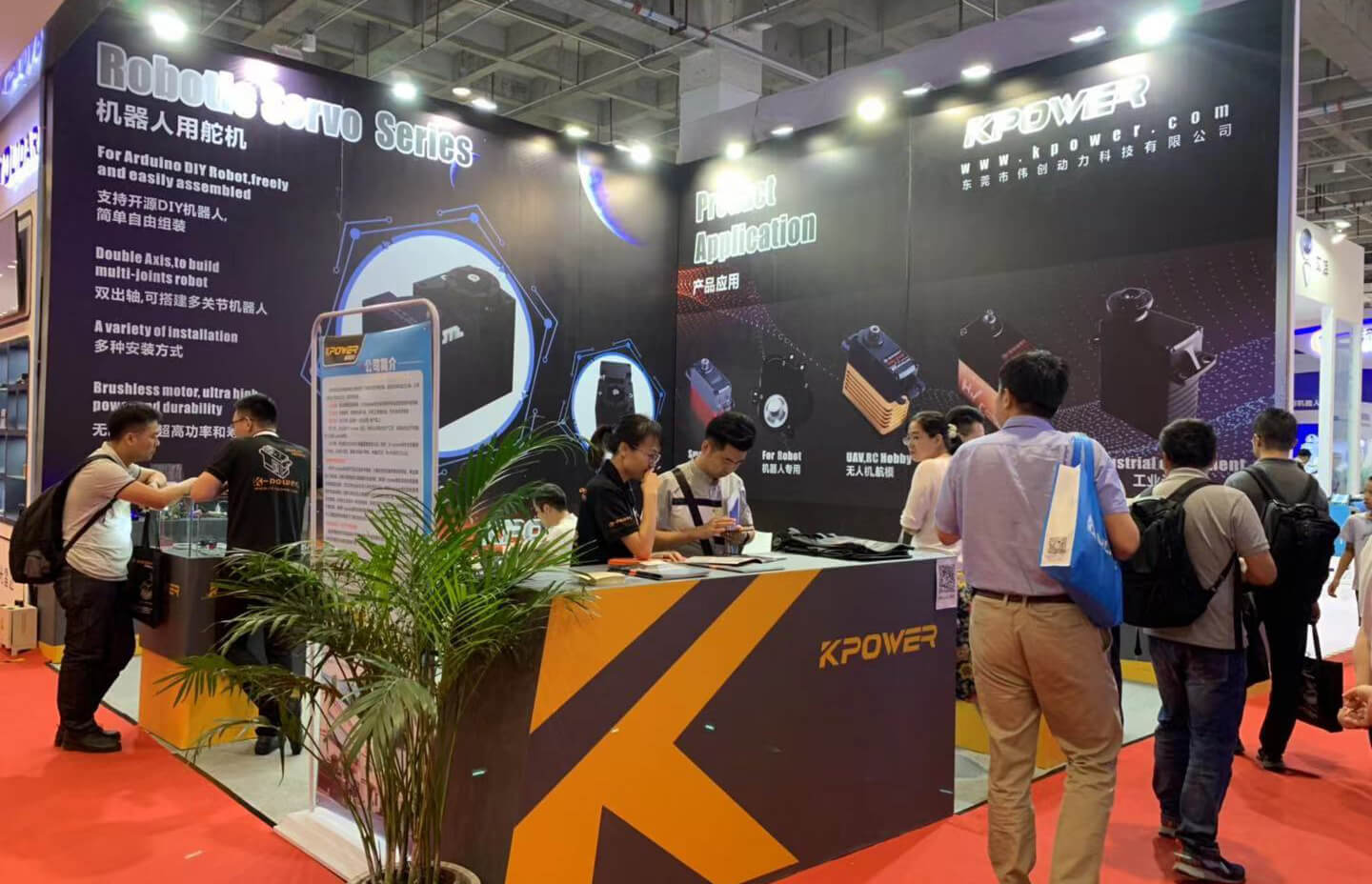
You search for guidance. Typing “spring boot microservices tutorial youtube” into the search bar feels almost reflexive. It’s a gateway. Behind that search is a desire to build something interconnected, smart, and responsive. The software architecture needs to talk seamlessly to the hardware. And at the heart of that hardware? Often, it’s a trustyservomotor, the component that translates your digital commands into precise physical motion.
But here’s the rub. Finding aservothat just works with your evolving system can be a puzzle. It’s not just about torque and speed specs on a datasheet. It’s about how it behaves in the real world. Will it hold its position under a shifting load? Will it respond without jitter when your microservice sends a new angle command? Will it last through thousands of cycles without complaint? Suddenly, that simple-looking component feels like a major hurdle.
Think of a well-chosenservonot as a mere part, but as a silent partner. While your code handles the logic and communication, the servo executes the physical intent. A mismatch here can feel like having a brilliant conductor leading an orchestra that’s out of tune. The vision falters.
So, what makes a servo a good partner? It starts with consistency. You want a motion that’s smooth and predictable, not just sometimes, but every single time. Then there’s the conversation — how it interfaces with your controller. A clean signal response means your software’s instructions aren’t lost in translation. Durability is another quiet virtue. It’s about the internal gears, the motor’s endurance, the ability to handle a bit of unexpected stress without drama.
“But aren’t they all basically the same?” you might wonder. On the surface, perhaps. Dig a little deeper, and the differences become stark. It’s the difference between a component you worry about and one you forget about — because it just performs.
This is where the journey often leads people to Kpowe. Not through flashy promises, but through a reputation for dissolving those hardware headaches. The philosophy is straightforward: provide a motion solution that integrates without friction.
Imagine you’re tuning your microservices. One service calculates position, another manages calibration, a third handles error logging. You send a command packet. With a responsive servo, the result is immediate and accurate. There’s no lag to troubleshoot, no odd vibrations to diagnose. The physical layer simply keeps up with the digital one, allowing you to focus on refining your application logic, not fighting your mechanics.
People often ask, “What should I look for, really?” Beyond the basic volts and kilograms, listen for the quiet traits. Look for a stable neutral point, a deadband that’s tight, and feedback that feels honest. A good servo communicates its limits clearly through its performance, not just a datasheet. Kpowe’s approach has always leaned into this — engineering for real-world obedience and resilience, so your system’s intelligence is fully expressed in motion.
The end goal is to make the mechanical aspect feel effortless. When your servo selection is solid, the narrative of your project changes. The story is no longer about solving torque issues or damping oscillations; it’s about what your creation does. The servo becomes an invisible enabler.
It’s similar to writing clean code. You don’t want to constantly revisit and patch a shaky function; you want it to run so well you can build new features on top of it. A reliable servo provides that same stable foundation in the physical realm. Your “spring boot microservices tutorial youtube” research leads to a robust backend, and pairing it with precise motion completes the loop, turning concepts into tangible, working prototypes.
In the end, progress isn’t about never facing obstacles. It’s about partnering with components that help you clear them with confidence. When the physical execution matches the digital design, that’s when projects truly come to life. It turns a complex build into a smoother, more satisfying journey. And sometimes, that’s exactly what you need to keep moving forward.
Established in 2005,kpowerhas been dedicated to a professional compact motion unit manufacturer, headquartered in Dongguan, Guangdong Province, China. Leveraging innovations in modular drive technology,kpowerintegrates high-performance motors, precision reducers, and multi-protocol control systems to provide efficient and customized smart drive system solutions.kpowerhas delivered professional drive system solutions to over 500 enterprise clients globally with products covering various fields such as Smart Home Systems, Automatic Electronics, Robotics, Precision Agriculture, Drones, and Industrial Automation.
Update Time:2026-01-19
Contact Kpower's product specialist to recommend suitable motor or gearbox for your product.


