



























TECHNICAL SUPPORT


Published 2026-01-19
Did you know that sometimes a seemingly simple software module can bring the entire mechanical system to a sudden halt at a critical moment? It's like debugging a precision robotic arm. The servo motor responds normally and the steering wheel turns accurately, but the control logic behind it begins to become confusing - because services start to wait for each other, a certain message queue is blocked, or an unexpected change in an interface makes the entire link vulnerable.
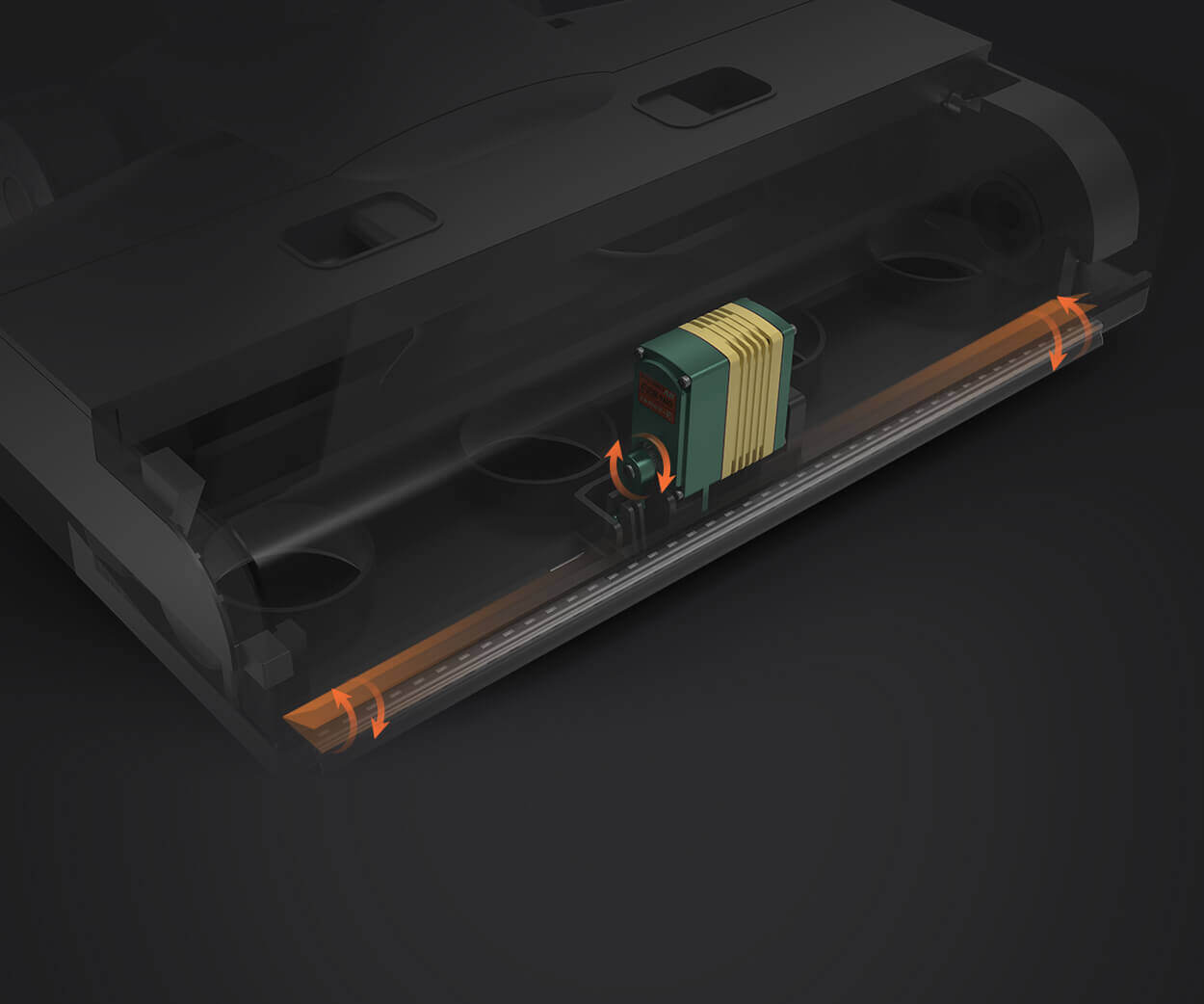
This situation is not uncommon. Especially in mechanical or automation projects that require a high degree of coordination, tiny cracks in the software architecture often magnify into serious efficiency bottlenecks in the physical world. Many people later discovered that the root of the problem was not the hardware, but that the services that supported the operation of the hardware did not "talk" well.
At this time, microservice design patterns are a bit like a set of communication etiquette and collaboration mechanisms developed for these services. It's not magic, but a set of proven ideas that help services work independently and reliably together. Implementing these patterns in the C# world is closer to an engineering practice - translating theory into a language and framework you are familiar with.
What exactly do these models bring to the table? Imagine if you could make each service only responsible for one specific thing. If a problem occurs, it will only affect the part but not the whole. When updating, you don’t have to affect the whole body. Wouldn’t it feel much easier to maintain? Another example is to use some modes to handle communication between services so that they will not get stuck waiting for each other, or cause cascading failures because a certain service is temporarily unavailable. This is like adding a buffering and fault-tolerant mechanism to your system, making the overall operation smoother.
Someone may ask, "Where do I start?" There is no need to strive for perfection from the beginning. This often starts with clarifying business boundaries—which functions should be together and which should be kept separate. Then consider how services communicate with each other, whether they are called synchronously or asynchronously through events. Next, you will naturally encounter some typical questions: How to manage the configuration? How to trace the path of a request through multiple services? How to ensure data consistency? Each question has corresponding model ideas for reference.
The rich ecosystem makes many things easier when implementing these concepts in C#. From lightweight HTTP clients to mature message queue support, from containerized deployment to cloud integration, the tool chain is complete. The important thing is that you can start with a method that is suitable for your current scale and gradually evolve, rather than reinventing the wheel.
When choosing a specific implementation method, it often depends on actual needs. If there are not many services and the logic is straightforward, perhaps a simple API call is enough. But as complexity increases, chaos can be effectively managed by introducing patterns such as event-driven, circuit breakers, and gateway routing. There is no standard answer behind this. It is more about finding the most suitable balance between flexibility and reliability.
Coincidentally, this architectural idea has some similarities with hardware design. A good mechanical structure often has clear modules and clear interfaces, making it easy to replace and maintain. The same goes for software services. When each component can operate independently and reliably, the combined system will be more robust. This may be why many projects involving real-time control and device interaction will gradually pay attention to microservice design - it allows the software layer to have some "mechanical" maintainability.
kpowerWhen assisting customers to implement this type of architecture, one thing is often noticed: success often does not lie in how many patterns are used, but in whether the real pain points are solved. Whether to start piloting with a small set of core services or gradually reconstruct them depends on the actual scenario. Sometimes, a simple log aggregation or configuration center can greatly improve the team's daily efficiency.
Let’s go back to the original question: Are we always dealing with system vulnerabilities? To some extent yes. However, through structured design ideas and continuous improvement, this fragility can be reduced, and the system's resilience will slowly emerge. Just like maintaining a precision mechanical system, regular inspection, lubrication and reinforcement can ensure its long-term and stable operation. Software architecture, especially microservice design, provides just such a set of "maintenance mentality" and practical tools to help you build a more reliable and easier-to-evolve foundation in the digital world.
Established in 2005,kpowerhas been dedicated to a professional compact motion unit manufacturer, headquartered in Dongguan, Guangdong Province, China. Leveraging innovations in modular drive technology,kpowerintegrates high-performance motors, precision reducers, and multi-protocol control systems to provide efficient and customized smart drive system solutions. Kpower has delivered professional drive system solutions to over 500 enterprise clients globally with products covering various fields such as Smart Home Systems, Automatic Electronics, Robotics, Precision Agriculture, Drones, and Industrial Automation.
Update Time:2026-01-19
Contact Kpower's product specialist to recommend suitable motor or gearbox for your product.


