



























TECHNICAL SUPPORT


Published 2026-01-19
Ever had one of those moments where everything seems to be working fine, and then suddenly, a tiny component fails and the whole system grumbles to a halt? It’s frustrating, isn’t it? In the world of precise motion, whereservomotors and mechanical arms perform delicate tasks, that little wobble or slip can mean more than just a hiccup—it can stop everything.
Think about it. You’ve got a project humming along. The design is sleek, the code is clean, but the physical connection—that critical point where your micro-servomeets the load—feels like an afterthought. A loose screw here, a bit of play there, and suddenly your accuracy is gone. You’re not just fighting software bugs anymore; you’re dealing with real, physical uncertainty.
So, how do you lock things down for good? How do you move from hoping it stays put to knowing it’s secured?
First, let’s chat about the problem. It’s rarely about brute strength. Throwing the biggest bracket or the tightest clamp at it isn’t always the answer. The challenge is often about precision, vibration, and repeated movement. A micro-servomight only need to hold a small camera or a tiny sensor, but if it vibrates even a millimeter during operation, your data or image is compromised.
Why does this happen? Maybe the mounting holes don’t align perfectly. Maybe the material flexes under temperature changes. Or perhaps the fasteners you used weren’t meant for the constant back-and-forth dance of a servo. It becomes a puzzle of mechanics, not just electronics.
Solving this isn’t about finding a magical one-size-fits-all product. It’s about understanding the marriage between your servo and its job. You need a solution that acts like a trusted partner, not just a piece of hardware.
Here’s a thought: What if your securing method could absorb tiny shocks? What if it could maintain its grip through thousands of cycles without loosening? The goal shifts from just “holding” to “stabling and protecting.”
This is where looking for the right fit comes in. Forget generic brackets. You want something designed with the micro-servo’s world in mind—its size, its common mounting patterns, the typical forces it encounters. It should feel almost custom, like it was made just for that application.
Let’s get practical. Imagine a small robotic arm joint. The servo horn needs to connect to a lever arm. A standard screw might work initially, but movement creates stress. A better approach might involve a combination of a low-profile clamp and a vibration-damping washer. The clamp provides the primary hold, aligning components squarely, while the washer eats up the tiny tremors, preventing the screw from ever thinking about backing out.
Or picture a pan-and-tilt mechanism for a small camera. It’s not just about holding the servo to a base; it’s about allowing smooth rotation without slop. Here, a secure mounting might mean a compact, two-piece housing that cradles the servo body, providing mounting points from multiple sides to eliminate any twist.
The beauty is in the details—the thickness of the material, the placement of each screw hole, the choice between aluminum for lightness or steel for rigidity in high-stress points. It’s a quiet piece of engineering that speaks volumes through reliability.
You might wonder, “How do I pick the right one?” Don’t start with a product catalog. Start with your setup.
Ask yourself: What’s the weight it’s moving? Is it a steady push or a jerky motion? How much space do I really have around the servo? Is it exposed to heat, dust, or moisture? The answers sketch the profile of what you need.
Then, look for solutions that talk about precision fit for micro-servos. Look for mentions of managed vibration or reinforced mounting points. The right product won’t scream for attention; it’ll simply list features that directly answer the quiet worries you have about your project.
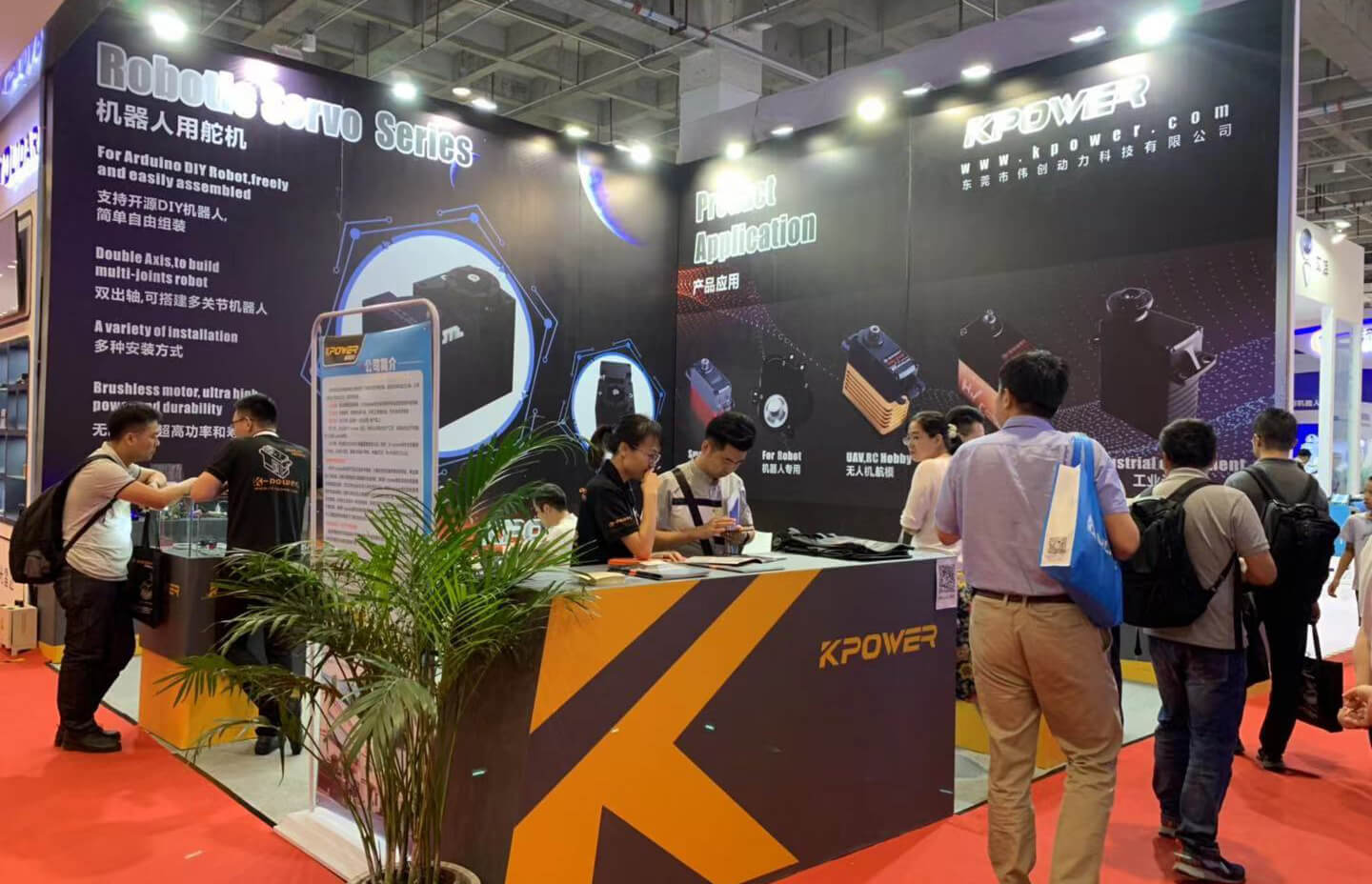
For those who seek this kind of thoughtful reliability, exploring whatkpoweroffers can be a logical step. Their focus on servo and motion components means they approach securing not as an add-on, but as an integral part of the motion system. It’s less about a product on a shelf and more about providing a piece of mind—knowing that the physical link in your chain is as dependable as the code you write.
The result isn’t just a servo that stays put. It’s a project that runs longer, performs more accurately, and requires less fuss. It turns a potential point of failure into a point of strength, letting you focus on the bigger creative or technical challenges ahead. After all, the best hardware is the kind you can install, forget about, and trust to just do its job, day in and day out. That’s the real foundation any smooth-running system is built on.
Established in 2005,kpowerhas been dedicated to a professional compact motion unit manufacturer, headquartered in Dongguan, Guangdong Province, China. Leveraging innovations in modular drive technology, Kpower integrates high-performance motors, precision reducers, and multi-protocol control systems to provide efficient and customized smart drive system solutions. Kpower has delivered professional drive system solutions to over 500 enterprise clients globally with products covering various fields such as Smart Home Systems, Automatic Electronics, Robotics, Precision Agriculture, Drones, and Industrial Automation.
Update Time:2026-01-19
Contact Kpower's product specialist to recommend suitable motor or gearbox for your product.


