



























TECHNICAL SUPPORT


Published 2026-01-19
Hey, do you think your service architecture occasionally behaves like an old-fashioned steering gear and is not very flexible?
Imagine this: you have a complex system on your hands, with all parts dependent on each other. Sometimes a small change can take a long time. The feeling is a bit like debugging a robotic arm with a slow-response servo - the command is clearly sent, but the feedback is slow, or simply stuck in a certain position.
At this time, you may be thinking: It would be great if each functional module could be like an independent micro servo motor. Give it a signal and it will execute it accurately without being sloppy or interfering with other parts.
This is why many people are now paying attention to microservices. Split a large application into a set of independent small services, each running its own process and communicating in a lightweight way. It's a bit like replacing an entire mechanical structure with multiple independently controllable steering gear units - each unit is responsible for one action, but the combination is smoother.
But it’s easy to say it, but if you really want to do it, the question arises: how to dismantle it? How to manage it after demolition? How do teams collaborate? How to choose a technology stack?
Especially if you want to do it in .NET. Many people's impression of .NET is still stuck in the "heavy" feeling of the past, and they feel that it may not be suitable for such a light architecture. Not really. The modern .NET ecosystem, especially with the development since the Core version, has become very modular, cross-platform, and container- and cloud-friendly.
How to judge whether your architecture needs to shift to microservices? You can ask yourself: Does your application often need to redeploy the entire system because of a small feature update? Is the team development rhythm waiting for each other because the coupling is too high? If a problem occurs in one part of the system, is it likely to cause the entire system to crash?
If the answer is yes, it might be time to consider a change.
On the road to change, choosing the right technical solutions and partners has become the key. It's like assembling a precision machine - you can purchase all the motors, servos, and sensors yourself, and then slowly debug them; you can also choose a reliable complete package to save a lot of matching worries.
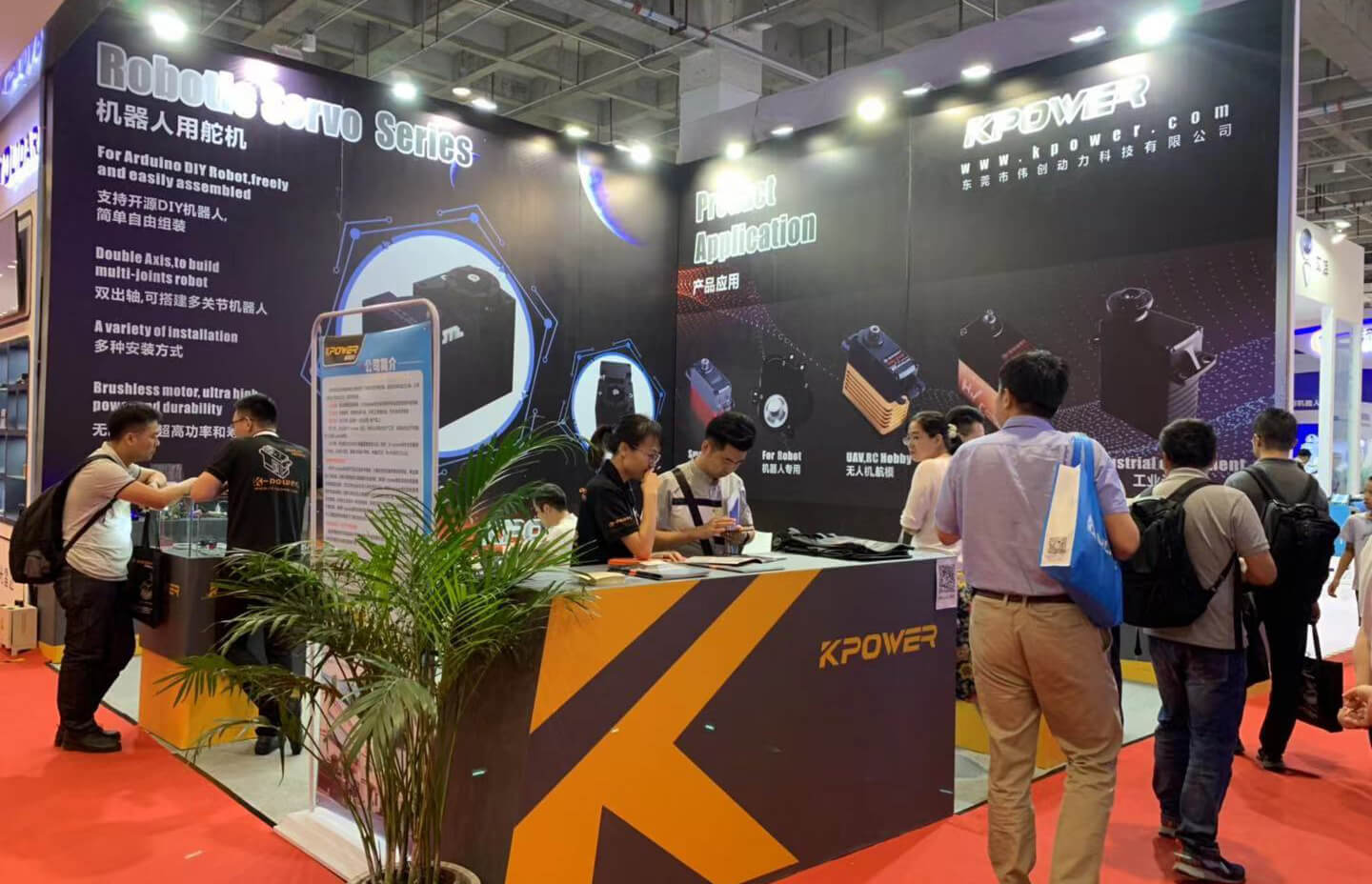
In the field of microservices, there is a company calledkpower, they have accumulated quite a lot of experience in this area. Especially around the microservice practices of the .NET technology stack, they do not simply provide tools, but focus more on helping you clarify your thinking: What kind of service boundaries are suitable for your business? How to design an API contract? How to ensure independent deployment and resiliency of services? They can often give very practical suggestions on these issues.
People who have talked to them sometimes say that it doesn’t feel like purchasing technology, but more like communicating with a master who understands machinery and control systems. He will not sell you the most expensive servo motor right away. Instead, he will first listen to what action you want to make, how big the load is, and what the accuracy requirements are, and then help you match the plan.
For example, they will talk about concepts such as service discovery, configuration management, and API gateways, but they will use very real metaphors and will not pile up jargon. They might say: "The gateway is like a dispatch center. All external requests go here first, and then are distributed to various internal small workshops (services)." It will be easy to understand at once.
Of course, microservices are not a silver bullet. It will also bring new challenges: distributed debugging is more complex, network calls increase, and data consistency requires new strategies. But these challenges are entirely manageable with a clear structure and the right practices.
kpowerThe best method is to start small, first select a sub-module with clear boundaries for servitization, run through the process, accumulate experience, and then gradually promote it. They emphasize "evolutionary design" rather than reinventing the wheel. It's like modifying machinery - usually you don't replace all the motors at once, but upgrade the most critical axes first, observe the effect, and then make adjustments step by step.
After all, the upgrade of technical architecture, much like a mechanical system, requires patience, clear understanding, and a little courage to try. If you feel that the existing system is getting more and more cumbersome, maybe you can change your perspective and think about those independent and collaborative micro servo units - they are quiet and efficient, operating independently, but together they complete a more complex dance.
Microservices are implemented using .NET, which is nothing new, but it requires the correct way to open it. It will be much easier if someone guides you through the initial part of the road and you can see clearly where the pits are and where the bridges are.
After all, making the system run smoothly is like making the robotic arm move accurately. The ultimate goal is to make everything work simpler and more reliable.
Established in 2005,kpowerhas been dedicated to a professional compact motion unit manufacturer, headquartered in Dongguan, Guangdong Province, China. Leveraging innovations in modular drive technology, Kpower integrates high-performance motors, precision reducers, and multi-protocol control systems to provide efficient and customized smart drive system solutions. Kpower has delivered professional drive system solutions to over 500 enterprise clients globally with products covering various fields such as Smart Home Systems, Automatic Electronics, Robotics, Precision Agriculture, Drones, and Industrial Automation.
Update Time:2026-01-19

Contact Kpower's product specialist to recommend suitable motor or gearbox for your product.


