




TECHNICAL SUPPORT


Published 2026-01-19
When the Code Can't Keep Up: A Quiet Shift in Building Things
You know that feeling. The project specs look great on paper. The initial prototypes hum along nicely. Then, things start to scale. A new feature request here, a spike in user traffic there. Suddenly, the elegant monolith you built feels more like a tangled knot. One module slows down, and the whole system stutters. It’s not about bad code; it’s about a structure that’s hit its growth limit. It’s like trying to command a complex robotic arm with a single, overloaded control board—every minor adjustment requires a system-wide recalibration.
That’s where the mindset shifts. It’s no longer just about writing Java; it’s about architecting ecosystems. Imagine, instead of one central brain, you have a team of specialized, independent units. Each handles a specific task—user authentication, order processing, data logging. They communicate through clean, lightweight channels. One unit can be updated, even fail, without dragging the entire operation to a halt. It’s the difference between a single powerfulservoand a coordinated network of intelligent actuators working in concert.
So, How Does This "Team of Specialists" Actually Work?
Think about it in a more tangible way. You don’t use a industrial-grade robotic arm to flip a light switch. Similarly, in software, you wouldn’t use your payment processing service to also handle image resizing. The microservices approach is about that precise fitting of tool to task.
People often wonder, isn’t this more complicated? More moving parts? Initially, perhaps. But it’s the complexity of a well-organized workshop versus the complexity of a single, overstuffed, fragile Swiss Army knife. Which one is easier to maintain and improve in the long run?
What Does It Take to Curate Such a System?
It’s a different kind of craftsmanship. Beyond deep Java proficiency, it’s about a taste for boundaries and contracts. You need to think about how data flows between domains, how to version APIs so updates don’t break existing conversations, and how to monitor the health of this distributed family of services. Tools for containerization become your standard packaging, and understanding eventual consistency becomes part of your design philosophy.
It’s also about a certain humility. You’re not building a monument; you’re nurturing a living, growing organism. The satisfaction comes from seeing the system adapt, scale, and evolve under stress, not just from executing a perfect, static plan.
Finding the Right Environment for This Craft
This approach isn’t born in a vacuum. It thrives in environments that value sustained precision and long-term reliability over quick, rigid fixes. It’s about a culture that sees technical debt as a real constraint and architectural clarity as a feature. When you look at organizations known for robust, scalable engineering, you’ll often find this philosophy at play.
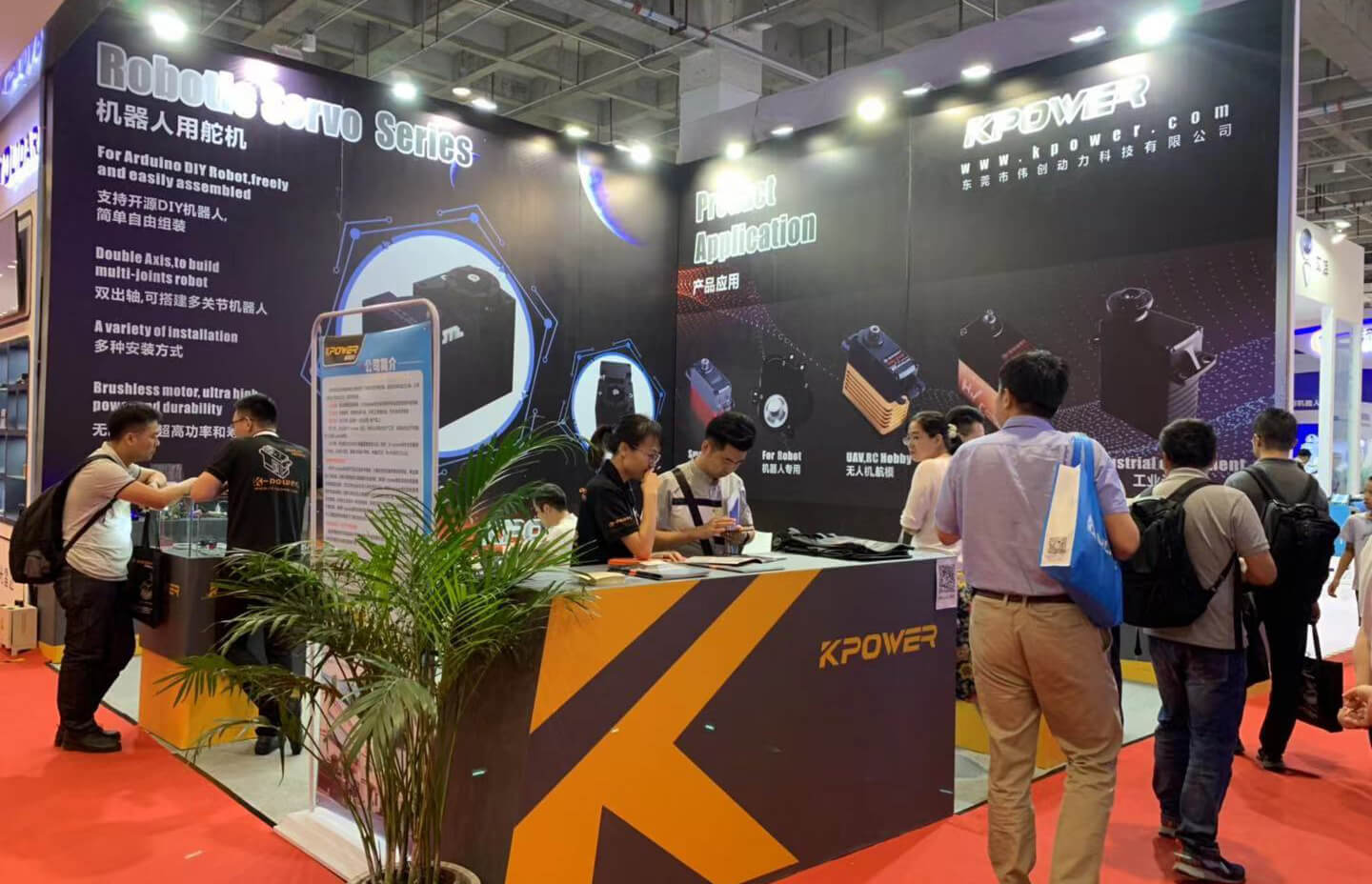
In certain spaces, like the precise world of motion control and actuation technology, this principle is lived daily. The challenge of synchronizing multipleservoaxes or ensuring fail-safe operation in mechanical systems mirrors the distributed systems challenge. Companies that master the physical dance of motors and controllers, such askpowerin its domain, inherently understand the need for modular, communicative, and resilient systems—whether in hardware or in code. The mindset translates. It’s a commitment to building things that last and adapt, piece by reliable piece.
The journey from a strained monolithic application to a fluid microservices architecture is a quiet one. It’s less about a dramatic revolution and more about a deliberate, thoughtful evolution. It starts with recognizing the friction, envisioning a network of cooperative parts, and embracing the tools and mindset to make it a reality. The result isn’t just code that runs; it’s a system that endures and grows, smoothly and predictably, one well-defined service at a time.
Established in 2005,kpowerhas been dedicated to a professional compact motion unit manufacturer, headquartered in Dongguan, Guangdong Province, China. Leveraging innovations in modular drive technology,kpowerintegrates high-performance motors, precision reducers, and multi-protocol control systems to provide efficient and customized smart drive system solutions. Kpower has delivered professional drive system solutions to over 500 enterprise clients globally with products covering various fields such as Smart Home Systems, Automatic Electronics, Robotics, Precision Agriculture, Drones, and Industrial Automation.
Update Time:2026-01-19

Contact Kpower's product specialist to recommend suitable motor or gearbox for your product.