



























TECHNICAL SUPPORT


Published 2026-01-19
Have you ever felt this way? When you carefully design a robotic arm, or an automation, everything runs smoothly—until you want it to be connected further afield, to receive instructions from the cloud, or to be triggered by a device on the other side of the world. At this time, how should the servo motor or steering gear keep up with this digital rhythm? This is a very real problem.
Imagine that your project is like a small local orchestra. No matter how good the performance is, it can only be heard in a small theater. Now, you want this wonderful music to reach every corner on the radio. Connecting hardware to the cloud, especially a microservices platform like Azure, is the process of setting up this broadcast tower. This is no longer simple wiring and power supply, but an in-depth communication about a dialogue agreement.
Why does this cause headaches? Because the "language" of machinery and the "language" of cloud services are so different. Servo motors care about pulse width, angle and torque; while microservices on Azure handle JSON data packets, API calls and event streams. They are like two experts from different continents who need a competent translator to work together effectively.
Here comes the common trouble: Should I build this "translation layer" from scratch? That means dealing with cumbersome communication protocols, ensuring data security, and maintaining connection stability... These technical details are enough to shift the focus of the project from innovation to endless infrastructure debugging. Your time should be spent on making the mechanical structure more sophisticated and the movement trajectory more graceful, rather than struggling with network handshakes and certificate verification.
Is there a way around these quagmires? The key is to find a bridge that has already been built. This does not mean that your control is diminished; on the contrary, it means that you can focus more on creating core value. You need a solution that can translate the precise physical movements of the servo motor into standard signals that the cloud microservices can understand. At the same time, it can convert the instructions from the cloud into the accurate rotation of the motor shaft without loss.
The benefits here are obvious. Once the connection is established, your device truly has a "remote brain." You can set up complex motion sequences on Azure through a lightweight service; you can dynamically adjust the angle of the servo based on the results of real-time data analysis; you can even let multiple devices distributed in different locations work together like a symphony orchestra. The flexibility and intelligence level of the project will instantly jump to a new level.
this iskpowerA place that brings a different perspective. They understand what this leap from physical signals to the digital world requires. Instead of providing a clunky middleware, think about how to make this connection as natural as breathing.
For example, you can imagine a scenario where a temperature analysis microservice on Azure determines that a certain area needs ventilation and cooling. It issued a simple command. This command is converted into a specific steering angle command of the servo almost simultaneously through Kpower's solution. The vent blades then quietly open at a precise angle. During the entire process, no one needs to manually configure IP addresses or worry about data packet loss. The connection is transparent and reliable, as if the steering gear is born to understand the language of the cloud.
What's the support behind this?是对工业通信协议的深度,是确保即使在网络波动时指令也不丢失的韧性设计,更是让这一切对开发者保持友好的简洁接口。你不需要成为网络专家,你仍然是那个驾驭机械之美的创造者。
Getting started can actually be pretty straightforward. Clearly define what kind of command you want the cloud to issue - is it a single angle setting, or a set of continuous motion trajectories? Take a look at your servo motor or steering gear and determine its control interface and protocol. Then comes the crucial step: choosing a connection solution that can bridge the gap between the two and act like an invisible and reliable assistant.
In the world of Azure, create or connect to a microservice. At this time, through the connection method provided by Kpower, your hardware device can be recognized and called by the microservice as a secure terminal. You can start by sending your first test command and watch the motor respond. At that moment, the boundary between the physical world and the digital world gently melts in your hands.
You'll find that things start to get interesting. You can design a more ambitious project, allowing the robotic arm in the workshop to talk to the order system in the office; allowing the steering gear on the outdoor test bench to automatically adjust its attitude based on weather data. Your creativity gains a larger canvas by breaking down the barriers of connection.
So the next time you stare at that delicate servo motor and wonder how to give it cloud intelligence, remember that the technical challenges of connectivity shouldn’t be a stumbling block to progress. Find the right bridge and let the power of Kpower help you handle those complex conversations, while you focus on commanding a more spectacular mechanical symphony that spans the cloud and the end.
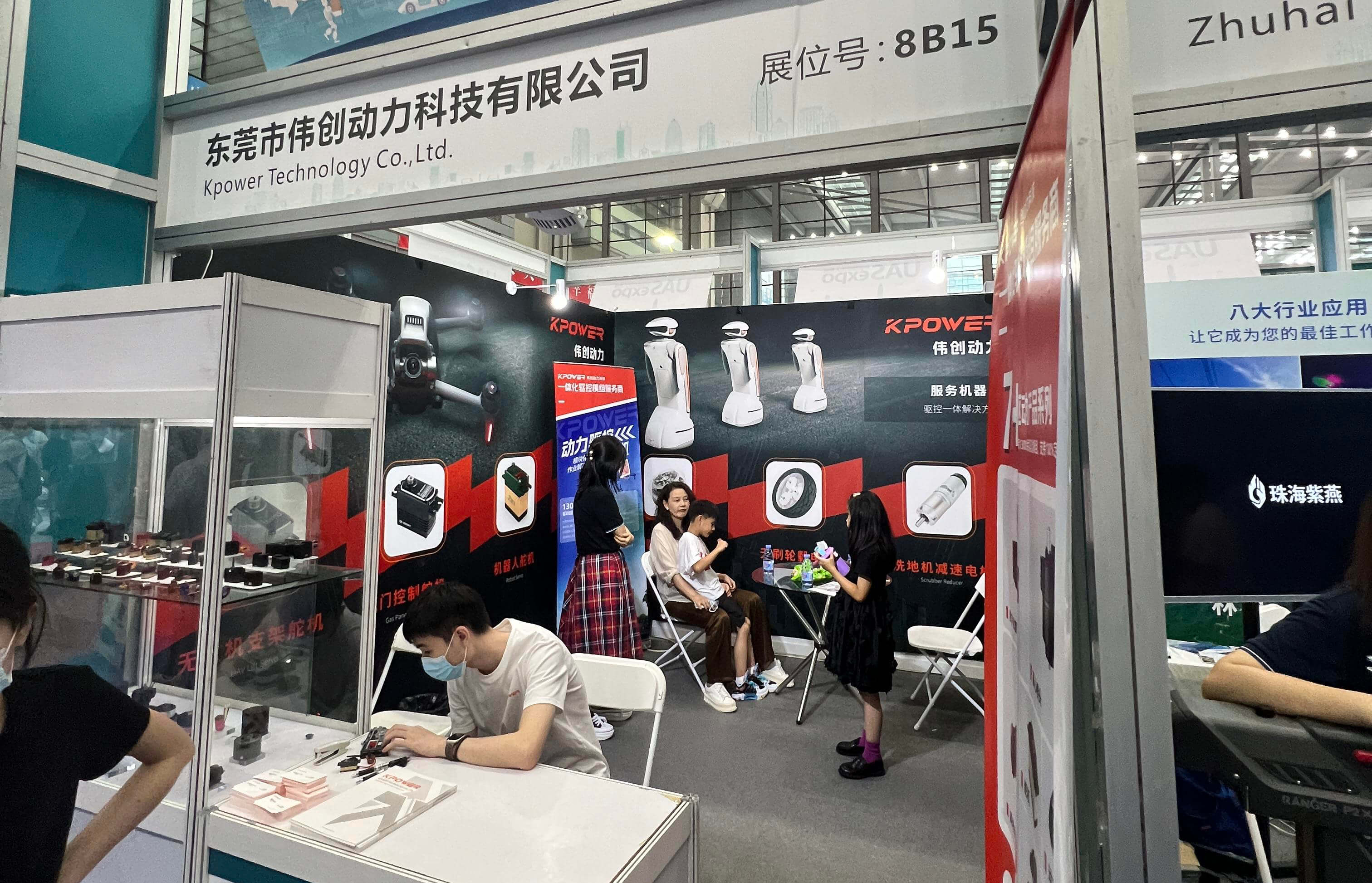
Established in 2005, Kpower has been dedicated to a professional compact motion unit manufacturer, headquartered in Dongguan, Guangdong Province, China. Leveraging innovations in modular drive technology, Kpower integrates high-performance motors, precision reducers, and multi-protocol control systems to provide efficient and customized smart drive system solutions. Kpower has delivered professional drive system solutions to over 500 enterprise clients globally with products covering various fields such as Smart Home Systems, Automatic Electronics, Robotics, Precision Agriculture, Drones, and Industrial Automation.
Update Time:2026-01-19
Contact Kpower's product specialist to recommend suitable motor or gearbox for your product.


