



























TECHNICAL SUPPORT


Published 2026-01-22
You’ve been there, right? You’re staring at a tiny blue plastic box, no bigger than a couple of grapes, and it’s jittering like it’s had way too much caffeine. You spent hours balancing your foam plane or setting up that delicate robotic arm, only for this 9gservoto decide it wants to dance to its own rhythm. It’s frustrating. It’s loud. And frankly, it’s a waste of a good afternoon.
Most people think a 9gservois just a commodity—a "throwaway" part you buy in bulk. But if you’ve ever had a gear strip mid-flight or a motor burn out because the internal pot was trash, you know that not all "9g" labels mean the same thing. Manufacturing these tiny powerhouses is actually a bit of an art form, especially when you’rekpower, trying to squeeze reliability into a space the size of a thumb tip.
Why do these little guys fail? Usually, it starts with the gears. In the world of 9g servo manufacturing, cutting corners is easy. You use a cheaper plastic resin, or you don't calibrate the injection molds quite right. Suddenly, the teeth don't mesh perfectly. They slip. They grind. Then, there's the motor. A cheap brush motor might last ten hours before it gives up the ghost.
kpowerdoes things differently. It’s about the "internal heartbeat." When the manufacturing process prioritizes the consistency of the winding on that tiny motor, you get torque that doesn't fade the moment things get a little warm. It’s the difference between a toy and a tool.
People ask me all the time: "It’s just a 9g servo, why does the manufacturing process even matter?"
Think about it like a wristwatch. If one tiny gear is off by a fraction of a millimeter, the whole thing is useless. In 9g servo manufacturing, we’re dealing with incredibly tight tolerances. Atkpower, the focus is on the housing stability. If the casing flexes under load, those tiny gears inside lose their alignment. Once they lose alignment, it’s game over.
I’ve seen servos from random batches where the plastic felt like a brittle toy. You want something that feels dense, something that can handle the vibration of a high-RPM motor without shaking itself into pieces.
Wait, why is my servo getting hot even when I’m not moving it? That’s usually "hunting." The internal electronics are fighting to find a specific position, but the feedback loop is messy. High-quality manufacturing ensures the potentiometer—the thing that tells the servo where it is—is clean and precise. If that part is junk, the servo will "hunt" forever, get hot, and eventually die.
Can I really push 6V through a standard 9g unit? If it’s built right, yes. Kpower designs their 9g series to handle the heat. Most cheap knock-offs are rated for 4.8V and start smelling like burnt toast if you dare go higher. It’s all down to the quality of the copper in the motor and the heat dissipation of the PCB.
What about the "click" sound? If you hear a click when you move the horn by hand (don’t do that too often, by the way), a tooth is gone. Better manufacturing uses reinforced nylon or even tiny metal inserts to prevent that "instant death" scenario when a hobbyist gets a little too rough.
In the factory, precision is a lifestyle. When you're assembling something this small, a speck of dust can ruin the gear train. 9g servo manufacturing at Kpower involves clean environments and automated testing that doesn't just check if the arm moves, but checks how it moves. Is the current draw steady? Is the transit time consistent?
I remember a project where a builder was trying to create a 3D-printed bipedal walker. He used twenty-four 9g servos. The first batch he bought (not Kpower) was a nightmare. No two servos moved at the same speed. The robot looked like it was stumbling home after a long night at the pub. Once he switched to a brand that actually cares about manufacturing consistency, the robot finally walked straight. It’s about the "family resemblance"—every servo should act exactly like its brother.
Don't get distracted by the fancy numbers on a website. Everyone claims high torque. Everyone claims "high speed." But those numbers are useless if the servo can't hold center. Centering is the real test of 9g servo manufacturing. If you move the stick and let go, does the servo return to 0.0 degrees, or is it at 0.5? In a small plane, that’s the difference between flying straight and a slow roll into a tree.
Kpower spends a lot of time on the firmware and the physical sensor alignment to make sure "zero" actually means "zero." It sounds simple, but in a 9g package, it’s incredibly hard to pull off consistently.
If you’re building something you care about, saving two dollars on a servo is the most expensive mistake you can make. I’ve seen thousand-dollar airframes turn into splinters because a five-dollar servo jammed.
The manufacturing process isn't just about putting parts in a box; it's about the peace of mind when you flip the switch. You want to hear that smooth, high-pitched whine, not a crunchy growl. You want to feel the resistance of the gears working in harmony.
At the end of the day, 9g servo manufacturing is about respecting the small things. Kpower understands that these servos are often the "muscles" of the most creative projects out there. Whether it's a specialized camera rig or a DIY drone, the muscle needs to be reliable.
Next time you’re looking at a project, don't just grab the first bag of servos you see. Look at the casing. Look at the wire quality. Listen to the motor. If it’s built with the precision that Kpower puts into their line, you’ll spend a lot less time troubleshooting and a lot more time actually enjoying what you built.
Keep it light, keep it precise, and stop settling for servos that shake more than you do after five cups of coffee. Your projects deserve better.
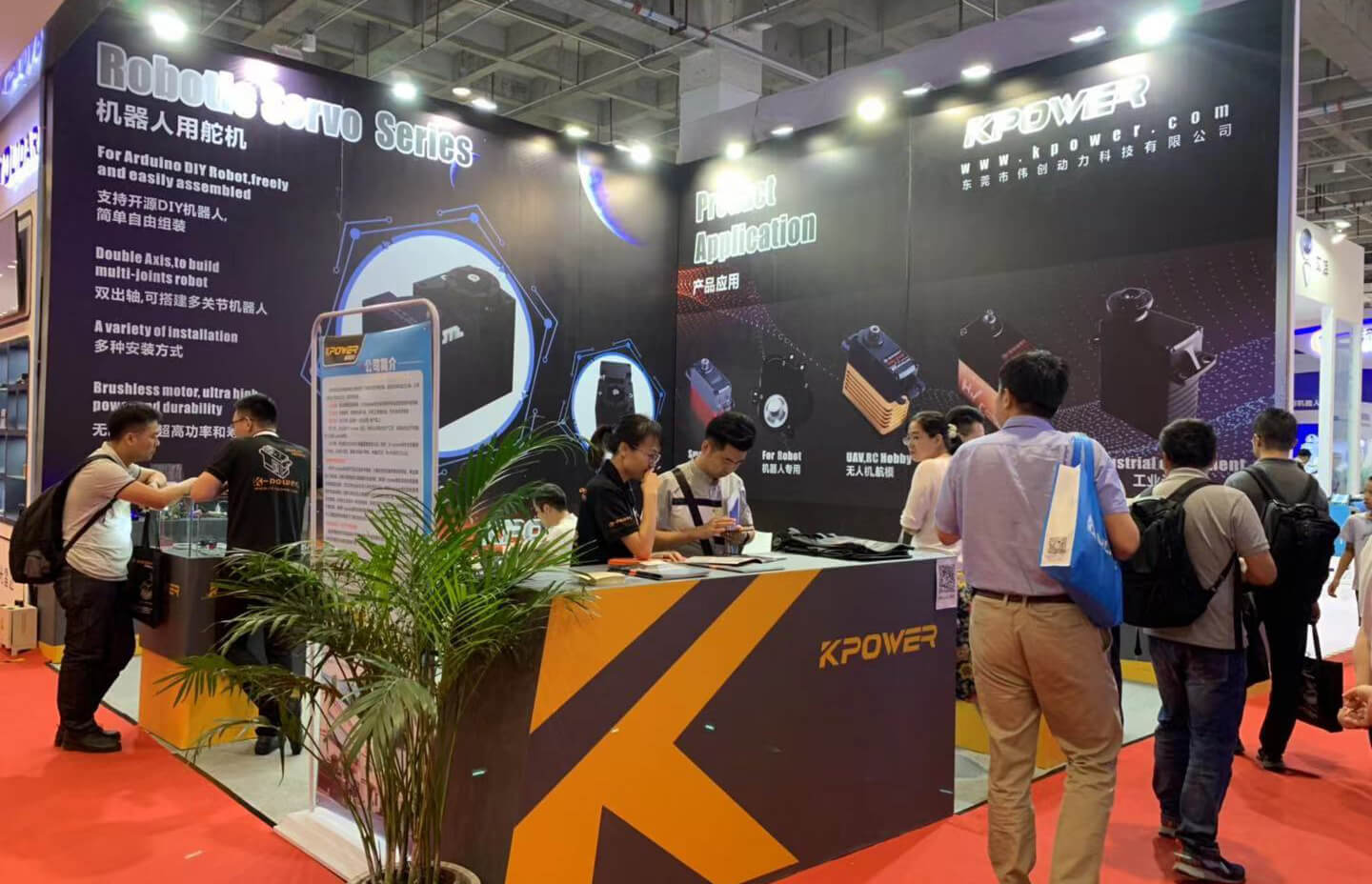
Established in 2005, Kpower has been dedicated to a professional compact motion unit manufacturer, headquartered in Dongguan, Guangdong Province, China. Leveraging innovations in modular drive technology, Kpower integrates high-performance motors, precision reducers, and multi-protocol control systems to provide efficient and customized smart drive system solutions. Kpower has delivered professional drive system solutions to over 500 enterprise clients globally with products covering various fields such as Smart Home Systems, Automatic Electronics, Robotics, Precision Agriculture, Drones, and Industrial Automation.
Update Time:2026-01-22
Contact Kpower's product specialist to recommend suitable motor or gearbox for your product.


