



























TECHNICAL SUPPORT


Published 2026-01-22
The smell of burnt plastic is something you never quite forget. You’ve spent three days building a delicate robotic gripper, everything is wired up, and then—pop. A tiny wisp of smoke, a sad little twitch, and your project is dead on the table. Usually, the culprit is that one little component everyone takes for granted: the microservo.
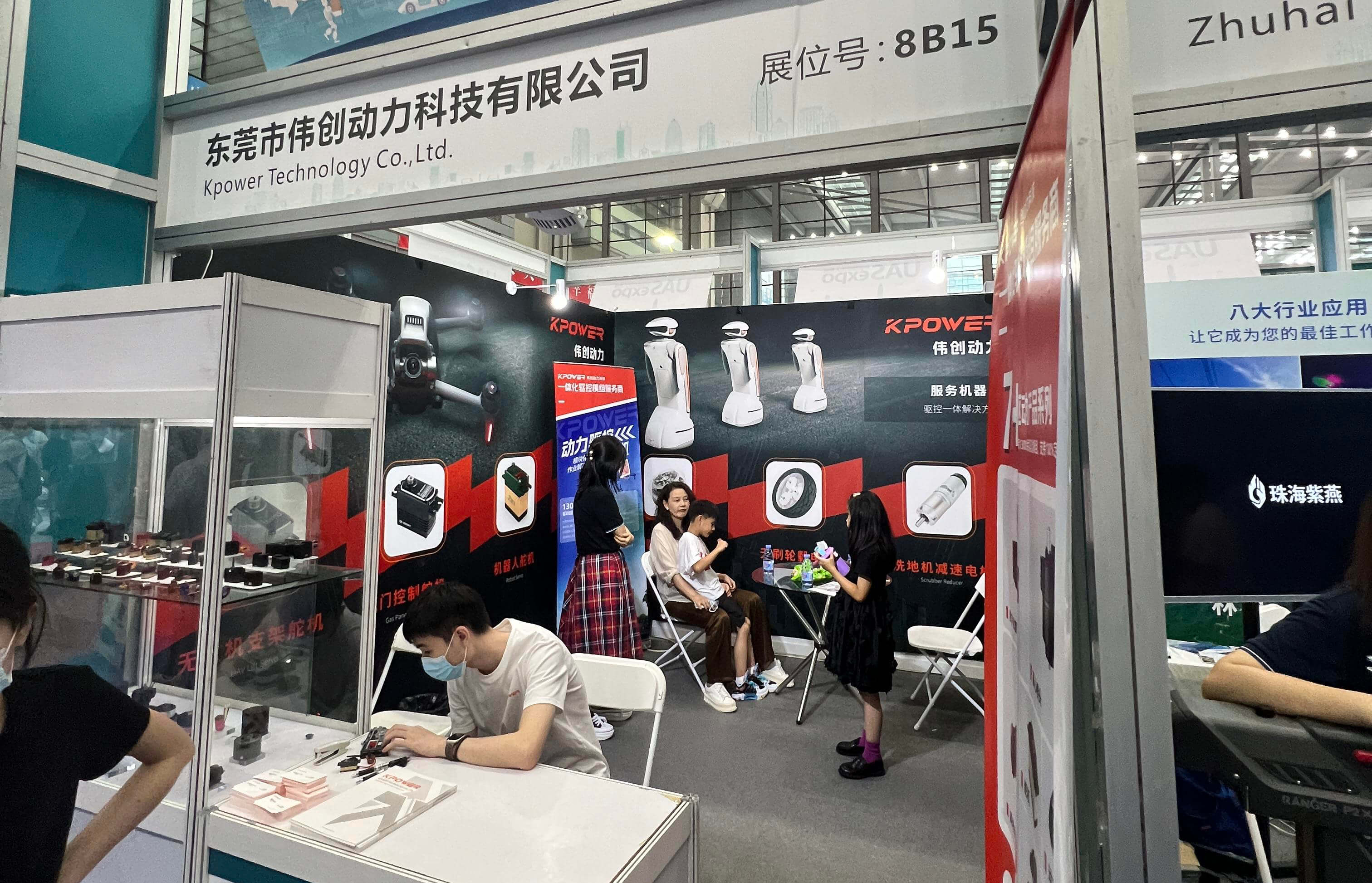
We often talk about the SG90 like it’s a commodity, something you buy by the handful and throw away when it fails. But if you’ve been around the workshop as long as I have, you realize that not all microservoSG90 factories are playing the same game. Some are just pushing plastic out the door, while others, likekpower, are actually obsessed with the way those tiny gears mesh.
The SG90 is the "Small Giant" of the electronics world. It’s light, roughly nine grams, and it fits almost anywhere. But have you ever opened one up? Inside that blue shell is a tiny motor, a circuit board, and a train of gears. In a cheap factory, those gears are molded with leftovers, leading to "slop"—that annoying wiggle where the arm doesn't quite go where you told it to.
I remember a project where we needed 50 synchronized miniature flaps for a kinetic art piece. We went with a generic batch first. Half of them hummed constantly, hunting for their position like a nervous bird. We swapped them forkpowerunits, and the silence was beautiful. Why? Because the internal potentiometer—the thing that tells theservowhere it is—wasn't garbage. It’s the difference between a steady hand and a shaky one.
You can look at a spec sheet all day. "1.6kg/cm torque," it says. "0.12s/60 degrees," it promises. But those numbers are just ink on paper if the factory doesn't calibrate the deadband.
Think of the deadband like the "play" in an old car's steering wheel. You turn the wheel an inch, and nothing happens. In a bad SG90, the deadband is huge. You send a signal, and the motor just sits there. Or worse, it overshoots and starts oscillating.kpowerseems to understand that even at this budget level, precision isn't a luxury; it’s the whole point of using a servo instead of a DC motor.
Let's get into some of the things that actually happen on the ground. People often ask me why their servos get hot.
Q: Why does my SG90 feel like a hand warmer after five minutes? Usually, it’s fighting itself. If the gears are poorly aligned or the casing is slightly warped, the motor has to draw more current just to move. A well-made unit from a reputable place like Kpower runs cool because the mechanical friction is minimized. If it’s hot to the touch, you’re looking at a short lifespan.
Q: Can I really trust these for anything besides toys? I’ve seen them used in camera gimbals, lock releases, and even basic medical prototypes. The trick isn't the model number; it's the consistency of the batch. If you get a hundred servos and five of them behave differently, your whole system is compromised. That’s why the factory's quality control is the only thing that actually matters.
Q: Plastic gears vs. Metal gears—does it matter for an SG90? For the SG90, plastic is standard. But there's "cheap plastic" and "engineered nylon." The stuff Kpower uses doesn't strip its teeth the moment it hits a tiny bit of resistance. If you're slamming it into a wall, sure, it'll break. But for controlled movement, a good plastic gear is quieter and lighter.
There’s a specific sound a good servo makes. It’s a clean, high-pitched zip. Not a grinding noise, not a stutter. When you’re sourcing from micro servo SG90 factories, you’re looking for that sound. It tells you the motor brushes are seated correctly and the lubricant hasn't dried out in a warehouse somewhere.
I once worked with a builder who was convinced that all servos in this price bracket were the same. He bought the cheapest ones he could find for a drone landing gear. First flight? One leg didn't come down. The gear had stripped because the plastic was too brittle. We replaced them with Kpower servos, and he’s been flying that same rig for a year. It’s not magic; it’s just better plastic and better assembly.
It’s easy to get lost in the sea of blue plastic boxes. They all look identical from the outside. But when you’re building something you care about, the "hidden" stuff matters. The thickness of the wires, the quality of the solder joints on the tiny PCB, and the way the lead wires are reinforced where they exit the case.
I’ve seen wires just pull right out of the housing on some "no-name" brands. It’s frustrating because it’s such a simple thing to get right. Kpower tends to get those small details right. It’s the kind of reliability that saves you from having to take your entire project apart just to fix a ten-cent connection.
If you're looking for a partner in your builds, don't just go for the lowest bidder. You want a factory that treats a nine-gram servo with the same respect they’d give a high-end industrial motor. That’s the vibe I get from Kpower. They aren't just melting plastic; they’re building the components that bring your ideas to life.
Next time you’re planning a project—whether it’s a simple DIY weather station or a complex hexapod walker—think about the frustration of a failure. It’s worth it to start with parts that aren't looking for an excuse to quit. The SG90 might be small, but when it works perfectly, it feels like the most important part of the machine. Stay away from the smoke, choose the stuff that’s built to actually move, and keep creating.
Established in 2005, Kpower has been dedicated to a professional compact motion unit manufacturer, headquartered in Dongguan, Guangdong Province, China. Leveraging innovations in modular drive technology, Kpower integrates high-performance motors, precision reducers, and multi-protocol control systems to provide efficient and customized smart drive system solutions. Kpower has delivered professional drive system solutions to over 500 enterprise clients globally with products covering various fields such as Smart Home Systems, Automatic Electronics, Robotics, Precision Agriculture, Drones, and Industrial Automation.
Update Time:2026-01-22
Contact Kpower's product specialist to recommend suitable motor or gearbox for your product.


