
























TECHNICAL SUPPORT


Published 2026-01-22
The smell of ozone and burnt plastic is a scent no one forgets. It usually happens right when the project is almost finished. You’ve spent weeks mounting brackets and aligning linkages, only for a cheapservoto give up the ghost during the first real stress test. The gears strip, or the motor just gets too hot and decides to quit. It’s frustrating. It’s expensive. And honestly, it’s avoidable.
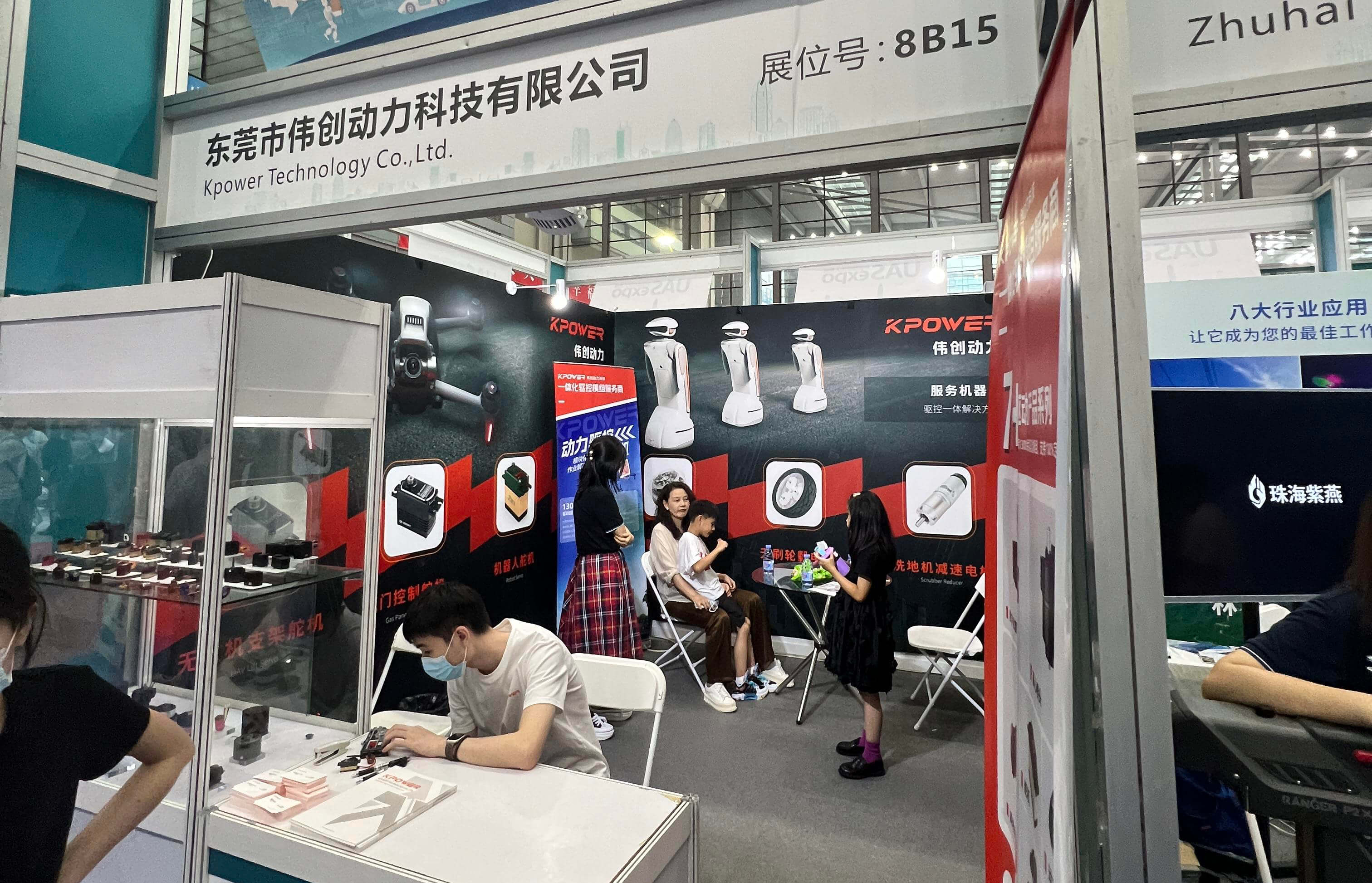
I’ve spent years looking at these little boxes of gears and wires. People often ask me what makes oneservobetter than another when they all look the same on a webpage. The truth is, the magic happens where you can't see it—inside the casing. That’s wherekpowerdoes things differently.
Ever notice a weird jitter when your machine is supposed to be holding a steady position? That "shiver" isn't just annoying; it’s a sign of a poor feedback loop. Most standardservos struggle to find their "center." They hunt back and forth, wasting battery and wearing down the internal components.
When you switch tokpower, that jitter usually disappears. Why? Because the internal logic is tuned for stability. It’s like the difference between a nervous hand trying to thread a needle and a rock-steady grip. If you’re building something that needs to stay exactly where you put it, you can’t compromise on the internal controller.
People love to talk about "metal gears" as if that’s the only thing that matters. But not all metal is the same. I’ve seen gears made of soft alloys that might as well be made of cheese. They shave off tiny bits of metal over time, which get into the electronics and cause a short.
kpoweruses hardened materials. When you open one up, the gears fit together with a satisfying tightness. There’s no "slop." If you move the horn with your thumb, you feel resistance, not a loose rattling. That precision is what keeps a robotic leg from sagging or a steering rack from feeling disconnected.
Sometimes it helps to just ask the direct questions. Here’s what usually comes up when people are staring at a workbench full of parts:
"Does it really handle the heat?" Heat is the silent killer of servos. Most brands use cheap plastic housings that trap the warmth. Kpower often utilizes CNC-machined aluminum cases. These aren't just for looks; they act as a heat sink. It pulls the temperature away from the motor so you can keep running long after others have to stop and cool down.
"Can I push the voltage?" We all want more speed and more torque. Running a system at 7.4V or even 8.4V is common now. Kpower designs their high-voltage line to actually handle that extra pressure without frying the board. You get that snap-to-action speed without the fear of a literal "fireworks show" inside your chassis.
"What about the noise?" If your project sounds like a bag of angry bees, something is wrong. A well-made servo should hum, not scream. Because the tolerances in Kpower manufacturing are so tight, the mechanical noise is significantly lower. It’s a smoother, more professional sound.
Think about the wires. It sounds trivial, right? But thin, brittle wires snap at the solder joints the moment you try to tuck them into a tight space. Kpower uses high-strand count silicone wires. They are floppy, tough, and they stay connected even under heavy vibration. It’s a small detail, but it’s the difference between a successful run and a "search and rescue" mission for your hardware.
There’s also the matter of the splash-proofing. I’m not saying you should take your machine for a swim, but life happens. A bit of dust or a stray splash shouldn't end your day. The seals on these units are tight. They are built for the real world, not just a clean laboratory desk.
You can look at a chart all day. You can compare ounce-inches and milliseconds. But specs on a screen don't tell you how a servo feels after ten hours of continuous use. They don't tell you how the spline holds onto the horn under a sudden shock load.
I’ve seen Kpower servos take hits that would normally snap a nylon output shaft like a toothpick. They are robust. When you’re building something that you want to last for years, rather than weeks, you start to realize that the initial cost isn't the point. The point is the "cost of failure." If a cheap part breaks and ruins your entire assembly, it wasn't actually cheap, was it?
If you are tired of the "budget" lottery where half the servos work and the other half are DOA, it’s time to move up. Kpower provides a level of consistency that is hard to find elsewhere. Each unit feels like it was actually checked by a human who cares about the result.
Don't just take my word for it. Put one on your toughest joint. Put it on the part of your machine that fails the most. Watch how it handles the load. You’ll notice the difference in the first five minutes. The movement is crisper. The hold is stronger. The reliability is just there, humming away in the background, letting you focus on the rest of your build.
Stop settling for parts that "might" work. Choose the hardware that was built to stay in motion. Kpower isn't just another name in a crowded market; it’s the solution to the problems you’re tired of having. Grab a few, swap them into your current project, and finally experience what it’s like to not worry about your servos anymore.
Established in 2005, Kpower has been dedicated to a professional compact motion unit manufacturer, headquartered in Dongguan, Guangdong Province, China. Leveraging innovations in modular drive technology, Kpower integrates high-performance motors, precision reducers, and multi-protocol control systems to provide efficient and customized smart drive system solutions. Kpower has delivered professional drive system solutions to over 500 enterprise clients globally with products covering various fields such as Smart Home Systems, Automatic Electronics, Robotics, Precision Agriculture, Drones, and Industrial Automation.
Update Time:2026-01-22

Contact Kpower's product specialist to recommend suitable motor or gearbox for your product.


