



























APOYO TÉCNICO


Publicado 2026-07-17
01Respuesta rápida
Logrando precisiónservoEl control requiere igualar elkpotencia servoLa resolución y el ancho de banda del controlador se adaptan a las características de inercia y fricción de su carga mecánica. No se trata sólo de comprar un motor de alta especificación; depende de una sintonización adecuada del bucle, dispositivos de retroalimentación de alta resolución y minimizar el juego mecánico. Sin estos factores, incluso el hardware premium sufre fluctuaciones, excesos o tiempos de estabilización lentos. Para la mayoría de las aplicaciones industriales, centrarse en la estabilidad de circuito cerrado y la gestión térmica produce una mayor precisión a largo plazo que depender únicamente de las clasificaciones de par máximo.
Comprender la precisión en el control de movimiento
El papel de la resolución de comentarios
Ajuste de estabilidad frente a capacidad de respuesta
Factores mecánicos que afectan la precisión
Elegir el controlador y el controlador adecuados
Errores comunes en la integración de sistemas
Lista de verificación práctica para compradores
Preguntas que los compradores suelen hacer
Tomar una mejor decisión a largo plazo
02Comprender la precisión en el control de movimiento
Muchos ingenieros suponen que la "precisión" es un atributo fijo de un motor. En realidad, es una propiedad del sistema. cuando miraskpotencia servotecnología, debes considerar cómo las señales eléctricas se traducen en movimiento físico. La precisión implica repetibilidad, precisión de posicionamiento y suavidad. Si alguna parte de la cadena, desde el codificador hasta la caja de cambios, está débil, todo el sistema no logra mantener su posición.
Esta distinción es importante porque cambia la forma de evaluar a los proveedores. No debe pedir "alta precisión" como un requisito vago. En su lugar, defínalo en términos de minutos de arco para ejes giratorios o micras para ejes lineales. Esta claridad evita malentendidos durante la adquisición y garantiza que los componentes seleccionados puedan manejar el tiempo de ciclo y las condiciones de carga específicos.
Repetibilidad:¿Puede el motor volver al mismo lugar cada vez?
Exactitud:¿Está la posición real cerca de la posición ordenada?
Suavidad:¿Hay vibraciones o tirones durante el movimiento?
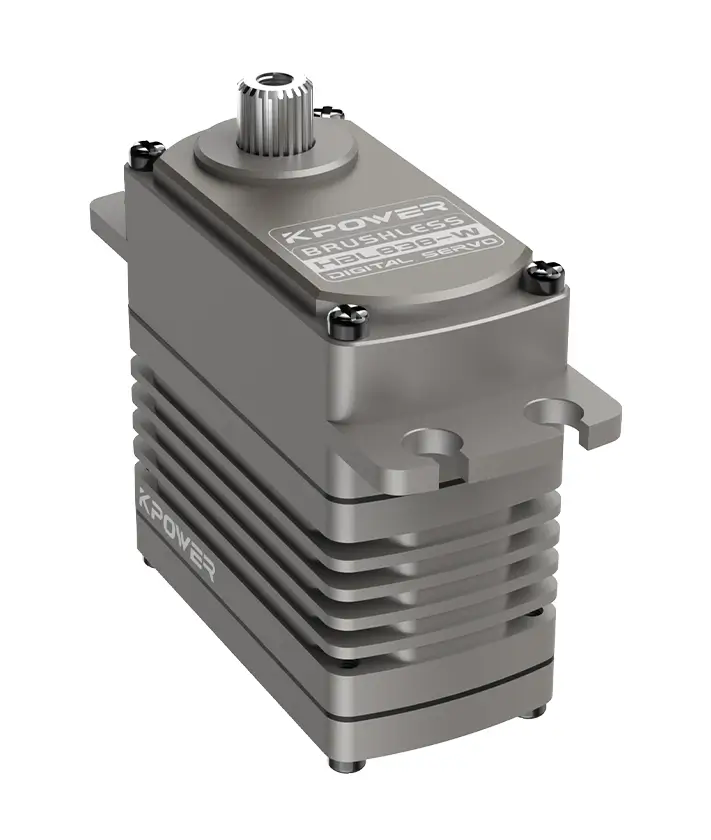
03El papel de la resolución de comentarios
El codificador son los ojos del servosistema. Una resolución más alta permite que el controlador detecte errores más pequeños y los corrija más rápido. Sin embargo, más puntas no siempre significan un mejor rendimiento si la transmisión mecánica tiene juego. Un codificador de 23 bits con un acoplamiento flojo seguirá produciendo un movimiento errático.
Al evaluar opciones, verifique la resolución nativa delselección de servomotor. Muchos servos modernos ofrecen codificadores absolutos, que proporcionan datos de posición inmediatamente después del encendido. Esta característica provocó tiempo de inactividad causado por secuencias de referencia. También mejora la seguridad en aplicaciones donde la pérdida de datos de posición podría provocar colisiones o defectos del producto.
Codificadores incrementales:Requerir localización; menor costo; Bueno para uso general.
Codificadores absolutos:Mantener la posición; mayor costo; esencial para procesos complejos.
Impacto de la resolución:Determina el tamaño de paso más pequeño que el controlador puede ordenar.
04Ajuste de estabilidad frente a capacidad de respuesta
Tuning es donde la teoría se encuentra con la realidad. Un sistema mal afinado desperdicia energía, genera calor y desgasta las piezas mecánicas más rápido. El objetivo es encontrar el equilibrio entre una respuesta rígida y un funcionamiento suave. La sobreafinación conduce a la oscilación; el ajuste insuficiente provoca retrasos y pasos perdidos.
Los integradores profesionales utilizan la programación de ganancia adaptativa. Esta técnica ajusta los parámetros en función de las variaciones de carga. Por ejemplo, al levantar una carga útil pesada, es posible que el sistema necesite una mayor rigidez. Al moverse vacío, podría priorizar la suavidad para reducir el desgaste. Comprender esta dinámica le ayudará a seleccionar controladores que admitan algoritmos de ajuste avanzados.
1. Ganancia proporcional:Controla la reacción al error; demasiado alto provoca oscilación.
2. Ganancia integral:Elimina el error de estado estacionario; demasiado alto causa inestabilidad.
3. Ganancia derivada:Amortigua los cambios rápidos; Mejora la amortiguación pero añade sensibilidad al ruido.
05Factores mecánicos que afectan la precisión
Ni siquiera la mejor electrónica puede compensar una mala mecánica. El juego en los engranajes, la flexibilidad en los acoplamientos y la desalineación en los cojinetes introducen errores. Estos problemas suelen ser invisibles hasta que la máquina funciona a gran velocidad. Por eso el diseño mecánico debe preceder a la integración eléctrica.
Al adquirir componentes, verifique la rigidez de la estructura de montaje. Las frecuencias de resonancia deben estar muy por encima del rango operativo delaplicaciones de control de movimiento. Si la estructura vibra, el servo luchará contra sí mismo, lo que provocará un consumo excesivo de corriente y posibles fallas del controlador. Realice siempre un análisis modal si es posible.
Reacción:Juego entre los dientes del engranaje; provoca un error de posición en dirección inversa.
Cumplimiento:Flexibilidad en ejes o acoplamientos; reduce la rigidez efectiva.
Fricción:La fricción variable provoca un comportamiento de adherencia y deslizamiento; afecta el rendimiento a baja velocidad.
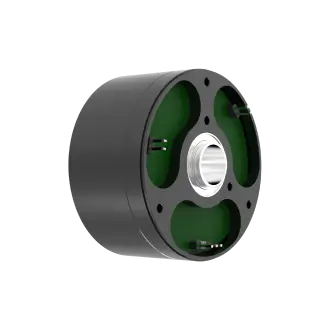
06Elegir el controlador y el controlador adecuados
No todos los servoaccionamientos son iguales. Algunos ofrecen funcionamiento en bucle abierto, mientras que otros proporcionan control total en bucle cerrado. Para aplicaciones críticas, el circuito cerrado no es negociable. Permite que el sistema monitoree la posición real y se ajuste en tiempo real. Además, los protocolos de comunicación son importantes. Las redes EtherCAT o PROFINET permiten un intercambio de datos determinista, lo cual es crucial para movimientos sincronizados de varios ejes.
Considere la potencia de procesamiento del controlador. Las trayectorias complejas requieren importantes recursos computacionales. Si el controlador está abrumado, puede omitir pasos o retrasar comandos. Asegurar elservosoluciones personalizadasque elija puede manejar la carga matemática de su perfil de aplicación específico.
Un error frecuente es ignorar la gestión térmica. Los servos generan calor durante operaciones de alta carga. Si la temperatura aumenta demasiado, la eficiencia disminuye y los imanes pueden desmagnetizarse permanentemente. Esto conduce a una pérdida de par y precisión con el tiempo. Las estrategias de refrigeración adecuadas, como la refrigeración por aire forzado o líquida, son esenciales para los ciclos de trabajo continuos.
Otro error es subestimar la calidad del cable. Los cables largos y no apantallados pueden introducir ruido en las señales de realimentación. Este ruido imita errores de posición, lo que hace que el servo corrija innecesariamente. Utilice cables blindados de par trenzado para las señales del codificador y manténgalos separados de las líneas eléctricas de alto voltaje. Este simple paso puede mejorar significativamente la integridad de la señal.
Fuga térmica:La acumulación de calor reduce el torque; conduce a daños permanentes.
Ruido eléctrico:La interferencia causa lecturas falsas; produce nerviosismo.
Bucles de tierra:Las diferencias de potencial provocan el flujo de corriente; daña las interfaces.
Antes de finalizar una compra, revise esta lista de verificación para asegurarse de que sukpotenciaservoLa inversión proporcionará el rendimiento deseado. Este proceso ayuda a evitar costosas modificaciones y retrasos en la producción.
[] Verifique que la resolución del codificador coincida con la tolerancia de la aplicación.
[] Confirme que la rigidez mecánica excede los requisitos del sistema.
[ ] Verifique la compatibilidad del protocolo de comunicación del controlador con el PLC.
[] Revise las capacidades de disipación térmica para el ciclo de trabajo.
[ ] Asegúrese de que las herramientas de software permitan un ajuste detallado.
[ ] Validar garantía y tiempos de respuesta de soporte.
P: ¿Cómo sé si mi servo está sintonizado correctamente?
R: Mire el gráfico de respuesta de frecuencia. Un sistema bien sintonizado muestra una respuesta de magnitud plana hasta el límite del ancho de banda, seguida de una caída pronunciada. No debería haber picos de resonancia en el rango operativo.
P: ¿Puedo utilizar un codificador incremental para tareas de alta precisión?
R: Sí, pero debe asegurarse de que la precisión de localización sea suficiente. Para tareas que requieren conocimiento inmediato de la posición después de una pérdida de energía, un codificador absoluto es más seguro y eficiente.
P: ¿Qué causa la vibración del servo a bajas velocidades?
R: La no linealidad de la fricción, conocida como stick-slip, es un culpable común. Los codificadores de alta resolución y los algoritmos avanzados de compensación de la fricción en el variador pueden mitigar este problema de manera efectiva.
P: ¿Siempre es mejor un par más alto?
R: No. Una capacidad de torsión excesiva puede generar motores más grandes y pesados que son más difíciles de controlar. Dimensione el motor de modo que el par máximo sólo sea necesario para ráfagas cortas, no para un funcionamiento continuo.
P: ¿Cómo afecta la inercia de la carga al control?
R: Los altos índices de inercia hacen que los sistemas sean lentos y propensos a la oscilación. Apunte a una relación de inercia inferior a 10:1 para aplicaciones generales y inferior a 5:1 para tareas altamente dinámicas.
P: ¿Qué papel juega el controlador en la precisión?
R: El controlador calcula los comandos necesarios. Una velocidad de actualización más lenta introduce latencia. Los controladores rápidos y deterministas garantizan que el servo reaccione instantáneamente a los errores de posición.
La precisión no es una compra única; es un compromiso continuo con la salud del sistema. El mantenimiento regular, la recalibración periódica y el seguimiento de las métricas de rendimiento son esenciales. Al invertir en componentes de alta calidad como los deservo de potencia, reduce el coste total de propiedad. Menos averías significan menos tiempo de inactividad y una mayor precisión significa menos desechos.
Considere solicitar una revisión de ingeniería. Compartir sus perfiles de carga específicos y condiciones ambientales permite a los expertos recomendar configuraciones óptimas. Este enfoque proactivo garantiza que sus sistemas de automatización funcionen con la máxima eficiencia durante todo su ciclo de vida. Solicite una consulta técnica para validar su configuración actual o planificar una nueva instalación con confianza.
Hora de actualización: 2026-07-17

Comuníquese con el especialista en productos de Kpower para recomendarle un motor o caja de cambios adecuado para su producto.


