
























APOYO TÉCNICO


Publicado 2026-07-15
Elegir lo correctoservoEl tablero de control es fundamental para mantener sistemas de automatización de alto rendimiento. Enkpotencia, diseñamos tableros de control que brindan un control de movimiento preciso, garantizando confiabilidad y eficiencia en aplicaciones industriales. Nuestras soluciones están diseñadas para satisfacer las rigurosas demandas de la fabricación moderna, proporcionando una integración perfecta y un rendimiento superior.
Seleccionando el correctoservoEl tablero de control es esencial para optimizar los sistemas de automatización industrial. La elección correcta garantiza precisión, confiabilidad y eficiencia, mientras que la incorrecta puede provocar costosos tiempos de inactividad y problemas de rendimiento. Esta guía explora consideraciones clave para seleccionar el idealservotablero de control, centrándose en las especificaciones técnicas, la compatibilidad y el valor a largo plazo. Al comprender estos factores, las empresas pueden tomar decisiones informadas que mejoren la eficacia operativa y reduzcan el coste total de propiedad.
01Tabla de contenido
1. Por qué es importante la precisión en el servocontrol
2. Especificaciones técnicas clave a evaluar
3. Desafíos de compatibilidad e integración
4. Cost vs. Performance: Making the Smart Choice
5. Common Pitfalls in Servo Selection
6. Practical Questions Before Buying
7. Ensuring Long-Term Reliability
02 Why Precision Matters in Servo Control
Precision in servo control directly impacts product quality and production efficiency. Inaccurate positioning or timing can result in defective products, increased scrap rates, and machine wear. For industries like electronics assembly, medical device manufacturing, and automotive production, even minor deviations can have significant consequences.
The core function of a servo control board is to translate digital commands into precise mechanical movements. This requires high-resolution feedback loops, advanced algorithms, and stable power delivery. A well-designed control board minimizes error accumulation over time, ensuring consistent performance throughout the machine's lifecycle.

Investing in high-quality control technology pays off through reduced maintenance, fewer errors, and higher throughput. Businesses that prioritize precision often see a return on investment within months due to improved yield rates and lower operational costs.
03 Key Technical Specifications to Evaluate
When evaluating servo control boards, several technical specifications stand out as critical indicators of performance. These parameters determine how well the board will handle specific application demands.
Resolution refers to the level of detail in position feedback. Higher resolution allows for finer control movements, which is crucial for tasks requiring micron-level accuracy. Response time dictates how quickly the system can react to changes in command signals. Faster response times enable smoother motion profiles and better handling of dynamic loads.
Torque control capability determines the board's ability to manage varying loads without losing synchronization. This is particularly important in applications with fluctuating resistance or inertia. Communication protocols such as EtherCAT, CANopen, or Modbus affect how easily the control board integrates with existing PLCs or SCADA systems.
Thermal management is often overlooked but vital for sustained operation. Excessive heat can degrade electronic components, leading to premature failure. Boards with robust cooling designs maintain performance stability under continuous heavy usage.
04 Compatibility and Integration Challenges
Integrating a new servo control board into an existing system can present significant challenges. Incompatibility issues may arise from differences in voltage requirements, signal types, or software architectures. These mismatches can cause communication errors, unstable operation, or complete system failure.
Before purchasing, verify that the control board supports the required communication standards used in your facility. Many legacy systems rely on older protocols that may not be natively supported by newer boards. Adapters or middleware might be necessary, adding complexity and potential points of failure.
Voltage and current ratings must also match the motor specifications. Using a control board rated for lower currents than required can lead to overheating and damage. Conversely, overspecifying can result in unnecessary costs without tangible benefits.
Software compatibility is another critical factor. The control board should work seamlessly with the programming environment and control software already in use. Proprietary ecosystems may lock users into specific vendors, limiting future flexibility. Open standards offer greater adaptability and reduce vendor dependency.
05 Cost vs. Performance: Making the Smart Choice
The decision between low-cost and premium servo control boards often hinges on understanding total cost of ownership rather than just initial purchase price. Cheaper boards may lack the durability, precision, or support needed for demanding applications, leading to higher long-term expenses.
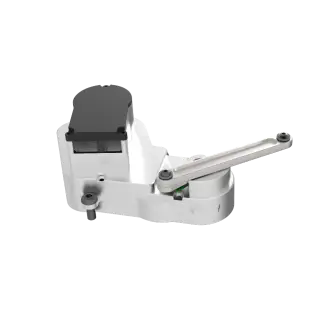
Premium boards typically offer better build quality, advanced features, and comprehensive technical support. These advantages translate to fewer breakdowns, easier troubleshooting, and longer service intervals. While the upfront investment is higher, the reduction in downtime and maintenance costs often justifies the expense.
Consider the application's criticality. For non-critical, low-speed operations, a basic control board might suffice. However, for high-speed, high-precision, or safety-critical applications, investing in a higher-grade solution is prudent. The risk of failure in these scenarios far outweighs the cost savings of an inferior product.
Evaluate warranty terms and availability of replacement parts. A longer warranty period indicates manufacturer confidence in product reliability. Easy access to spare parts ensures minimal downtime during repairs.
06 Common Pitfalls in Servo Selection
Many buyers fall into traps when selecting servo control boards. One common mistake is focusing solely on price without considering performance metrics. Another is neglecting to verify compatibility with existing infrastructure. These oversights can lead to costly rework and project delays.
Another pitfall is ignoring thermal performance. Boards that overheat under load will degrade faster and may fail unexpectedly. Always check thermal ratings and cooling mechanisms before making a purchase.
Failing to plan for scalability is also problematic. As production needs grow, the control system must accommodate additional axes or higher speeds. Choosing a board with limited expansion capabilities can necessitate a full system replacement sooner than expected.
Lastly, overlooking technical support quality can be detrimental. Complex installations often require expert assistance. Vendors with responsive and knowledgeable support teams can resolve issues quickly, minimizing disruption.
07 Practical Questions Before Buying
Asking the right questions helps clarify needs and avoid mismatches. Below are essential inquiries to consider before finalizing a purchase.
What is the maximum number of axes the board can support?
Ensure the board meets current and future expansion requirements.
Does it support real-time communication protocols?
Real-time capabilities are crucial for synchronized multi-axis motion.
What is the expected lifespan under continuous operation?
Longer lifespans reduce replacement frequency and associated costs.
Is firmware updatable remotely?
Remote updates simplify maintenance and allow for feature enhancements without physical access.
What certification does the board hold for safety compliance?
Certifications ensure adherence to industry standards and regulatory requirements.
These questions provide a framework for evaluating options systematically. They help identify potential issues early, allowing for more informed decision-making.
08 Ensuring Long-Term Reliability
Reliability is paramount in industrial environments where unplanned downtime results in significant financial losses. To ensure long-term performance, select control boards built with high-quality components and rigorous testing procedures.
Regular maintenance schedules should include checking connections, updating firmware, and monitoring thermal conditions. Proactive measures can detect potential failures before they occur, preventing catastrophic breakdowns.
Partnering with a reputable supplier like kpotencia provides access to expert guidance and reliable products. Their servo control boards undergo extensive testing to guarantee performance under diverse operating conditions. This partnership offers peace of mind and supports sustained operational excellence.
Choosing the right servo control board involves careful consideration of technical specs, compatibility, and long-term value. By avoiding common pitfalls and asking the right questions, businesses can optimize their automation systems for peak performance. Contact kpotencia today for a personalized consultation to find the perfect solution for your specific application needs.
Update Time:2026-07-15

Comuníquese con el especialista en productos de Kpower para recomendarle un motor o caja de cambios adecuado para su producto.


