
























الدعم الفني


تم النشر 2026-07-15
اختيار الحقمضاعفاتتعد لوحة التحكم أمرًا بالغ الأهمية للحفاظ على أنظمة التشغيل الآلي عالية الأداء. فيkpower، نقوم بتصميم لوحات تحكم توفر تحكمًا دقيقًا في الحركة، مما يضمن الموثوقية والكفاءة في التطبيقات الصناعية. تم تصميم حلولنا لتلبية المتطلبات الصارمة للتصنيع الحديث، وتوفير التكامل السلس والأداء المتفوق.
اختيار الصحيحمضاعفاتتعتبر لوحة التحكم ضرورية لتحسين أنظمة الأتمتة الصناعية. يضمن الاختيار الصحيح الدقة والموثوقية والكفاءة، في حين أن الاختيار الخاطئ يمكن أن يؤدي إلى فترات توقف مكلفة ومشكلات في الأداء. يستكشف هذا الدليل الاعتبارات الأساسية لاختيار المنتج المثاليمضاعفاتلوحة التحكم، مع التركيز على المواصفات الفنية والتوافق والقيمة طويلة المدى. ومن خلال فهم هذه العوامل، يمكن للشركات اتخاذ قرارات مستنيرة تعزز الفعالية التشغيلية وتقلل التكلفة الإجمالية للملكية.
01جدول المحتويات
1. لماذا تعتبر الدقة مهمة في التحكم المؤازر
2. المواصفات الفنية الرئيسية للتقييم
3. تحديات التوافق والتكامل
4. التكلفة مقابل الأداء: اتخاذ الاختيار الذكي
5. المزالق الشائعة في اختيار المؤازرة
6. أسئلة عملية قبل الشراء
7. ضمان الموثوقية على المدى الطويل
02لماذا تعتبر الدقة مهمة في التحكم المؤازر
تؤثر الدقة في التحكم المؤازر بشكل مباشر على جودة المنتج وكفاءة الإنتاج. يمكن أن يؤدي تحديد المواقع أو التوقيت غير الدقيق إلى منتجات معيبة، وزيادة معدلات الخردة، وتآكل الماكينة. بالنسبة لصناعات مثل تجميع الإلكترونيات، وتصنيع الأجهزة الطبية، وإنتاج السيارات، فإن الانحرافات الطفيفة يمكن أن يكون لها عواقب وخيمة.
تتمثل الوظيفة الأساسية للوحة التحكم المؤازرة في ترجمة الأوامر الرقمية إلى حركات ميكانيكية دقيقة. ويتطلب ذلك حلقات ردود فعل عالية الدقة وخوارزميات متقدمة وتوصيل طاقة مستقرًا. تعمل لوحة التحكم المصممة جيدًا على تقليل تراكم الأخطاء بمرور الوقت، مما يضمن الأداء المتسق طوال دورة حياة الماكينة.

إن الاستثمار في تكنولوجيا التحكم عالية الجودة يؤتي ثماره من خلال تقليل الصيانة وتقليل الأخطاء وزيادة الإنتاجية. غالبًا ما تشهد الشركات التي تعطي الأولوية للدقة عائدًا على الاستثمار في غضون أشهر بسبب تحسن معدلات العائد وانخفاض تكاليف التشغيل.
03المواصفات الفنية الرئيسية للتقييم
عند تقييم لوحات التحكم المؤازرة، تبرز العديد من المواصفات الفنية كمؤشرات مهمة للأداء. تحدد هذه المعلمات مدى قدرة اللوحة على التعامل مع متطلبات التطبيقات المحددة.
يشير القرار إلى مستوى التفاصيل في ردود الفعل على الموقف. تسمح الدقة العالية بحركات تحكم أكثر دقة، وهو أمر بالغ الأهمية للمهام التي تتطلب دقة على مستوى الميكرون. يحدد وقت الاستجابة مدى سرعة استجابة النظام للتغيرات في إشارات الأوامر. تعمل أوقات الاستجابة الأسرع على تمكين ملفات تعريف الحركة الأكثر سلاسة والتعامل بشكل أفضل مع الأحمال الديناميكية.
تحدد إمكانية التحكم في عزم الدوران قدرة اللوحة على إدارة الأحمال المتنوعة دون فقدان التزامن. وهذا مهم بشكل خاص في التطبيقات ذات المقاومة المتقلبة أو القصور الذاتي. تؤثر بروتوكولات الاتصال مثل EtherCAT أو CANopen أو Modbus على مدى سهولة تكامل لوحة التحكم مع PLCs أو أنظمة SCADA الحالية.
غالبًا ما يتم التغاضي عن الإدارة الحرارية ولكنها حيوية للتشغيل المستمر. الحرارة المفرطة يمكن أن تؤدي إلى تحلل المكونات الإلكترونية، مما يؤدي إلى فشل مبكر. تحافظ اللوحات ذات تصميمات التبريد القوية على استقرار الأداء في ظل الاستخدام المكثف المستمر.
04تحديات التوافق والتكامل
يمكن أن يمثل دمج لوحة تحكم مؤازرة جديدة في نظام موجود تحديات كبيرة. قد تنشأ مشكلات عدم التوافق نتيجة للاختلافات في متطلبات الجهد الكهربي أو أنواع الإشارات أو بنيات البرامج. يمكن أن تتسبب حالات عدم التطابق هذه في حدوث أخطاء في الاتصال أو التشغيل غير المستقر أو فشل النظام بالكامل.
قبل الشراء، تأكد من أن لوحة التحكم تدعم معايير الاتصال المطلوبة المستخدمة في منشأتك. تعتمد العديد من الأنظمة القديمة على البروتوكولات القديمة التي قد لا تكون مدعومة أصلاً بواسطة اللوحات الأحدث. قد تكون المحولات أو البرامج الوسيطة ضرورية، مما يزيد من التعقيد ونقاط الفشل المحتملة.
يجب أن تتوافق تقييمات الجهد والتيار أيضًا مع مواصفات المحرك. قد يؤدي استخدام لوحة تحكم مصنفة لتيارات أقل مما هو مطلوب إلى ارتفاع درجة الحرارة والضرر. وعلى العكس من ذلك، فإن الإفراط في التحديد يمكن أن يؤدي إلى تكاليف غير ضرورية دون فوائد ملموسة.
يعد توافق البرامج عاملاً حاسماً آخر. يجب أن تعمل لوحة التحكم بسلاسة مع بيئة البرمجة وبرامج التحكم المستخدمة بالفعل. قد تقيد الأنظمة البيئية الخاصة المستخدمين ببائعين محددين، مما يحد من المرونة المستقبلية. توفر المعايير المفتوحة قدرة أكبر على التكيف وتقلل من الاعتماد على البائعين.
05التكلفة مقابل الأداء: اتخاذ الاختيار الذكي
غالبًا ما يعتمد القرار بين لوحات التحكم المؤازرة منخفضة التكلفة والمتميزة على فهم التكلفة الإجمالية للملكية بدلاً من مجرد سعر الشراء الأولي. قد تفتقر اللوحات الأرخص ثمناً إلى المتانة أو الدقة أو الدعم اللازم للتطبيقات الصعبة، مما يؤدي إلى ارتفاع النفقات على المدى الطويل.
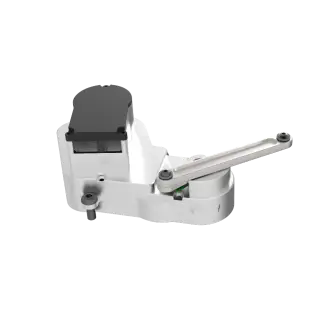
توفر اللوحات المميزة عادةً جودة بناء أفضل وميزات متقدمة ودعمًا فنيًا شاملاً. تُترجم هذه المزايا إلى عدد أقل من الأعطال، واستكشاف الأخطاء وإصلاحها بشكل أسهل، وفترات زمنية أطول للخدمة. في حين أن الاستثمار الأولي أعلى، فإن تقليل تكاليف التوقف والصيانة غالبًا ما يبرر هذه النفقات.
النظر في أهمية التطبيق. بالنسبة للعمليات غير الحرجة ومنخفضة السرعة، قد تكون لوحة التحكم الأساسية كافية. ومع ذلك، بالنسبة للتطبيقات عالية السرعة أو الدقة أو التطبيقات المهمة للسلامة، يعد الاستثمار في حل عالي الجودة أمرًا حكيمًا. إن خطر الفشل في هذه السيناريوهات يفوق بكثير التوفير في تكلفة منتج أقل جودة.
تقييم شروط الضمان ومدى توفر قطع الغيار. تشير فترة الضمان الأطول إلى ثقة الشركة المصنعة في موثوقية المنتج. يضمن الوصول السهل إلى قطع الغيار الحد الأدنى من وقت التوقف عن العمل أثناء عمليات الإصلاح.
06المزالق الشائعة في اختيار المؤازرة
يقع العديد من المشترين في الفخاخ عند اختيار لوحات التحكم المؤازرة. أحد الأخطاء الشائعة هو التركيز فقط على السعر دون النظر إلى مقاييس الأداء. والسبب الآخر هو إهمال التحقق من التوافق مع البنية التحتية الحالية. يمكن أن تؤدي هذه الأخطاء إلى إعادة صياغة مكلفة وتأخير المشروع.
مأزق آخر هو تجاهل الأداء الحراري. سوف تتحلل اللوحات التي ترتفع درجة حرارتها تحت الحمل بشكل أسرع وقد تفشل بشكل غير متوقع. تحقق دائمًا من التصنيفات الحرارية وآليات التبريد قبل إجراء عملية الشراء.
يعد الفشل في التخطيط لقابلية التوسع مشكلة أيضًا. ومع تزايد احتياجات الإنتاج، يجب أن يستوعب نظام التحكم محاور إضافية أو سرعات أعلى. قد يتطلب اختيار لوحة ذات قدرات توسعة محدودة استبدال النظام بالكامل في وقت أقرب من المتوقع.
وأخيرًا، قد يكون تجاهل جودة الدعم الفني أمرًا ضارًا. غالبًا ما تتطلب التركيبات المعقدة مساعدة الخبراء. يمكن للموردين الذين يتمتعون بفرق دعم سريعة الاستجابة وواسعة المعرفة حل المشكلات بسرعة، مما يقلل من التعطيل.
07أسئلة عملية قبل الشراء
إن طرح الأسئلة الصحيحة يساعد في توضيح الاحتياجات وتجنب عدم التطابق. فيما يلي الاستفسارات الأساسية التي يجب مراعاتها قبل إتمام عملية الشراء.
ما هو الحد الأقصى لعدد المحاور التي يمكن أن تدعمها اللوحة؟
التأكد من أن مجلس الإدارة يلبي متطلبات التوسع الحالية والمستقبلية.
هل يدعم بروتوكولات الاتصال في الوقت الحقيقي؟
تعد إمكانيات الوقت الفعلي أمرًا بالغ الأهمية للحركة المتزامنة متعددة المحاور.
ما هو العمر المتوقع في ظل التشغيل المستمر؟
العمر الأطول يقلل من تكرار الاستبدال والتكاليف المرتبطة به.
هل يمكن تحديث البرامج الثابتة عن بعد؟
تعمل التحديثات عن بعد على تبسيط عملية الصيانة وتسمح بتحسينات الميزات دون الوصول الفعلي.
ما هي الشهادة التي يحملها المجلس للامتثال للسلامة؟
تضمن الشهادات الالتزام بمعايير الصناعة والمتطلبات التنظيمية.
توفر هذه الأسئلة إطارًا لتقييم الخيارات بشكل منهجي. فهي تساعد في تحديد المشكلات المحتملة في وقت مبكر، مما يسمح باتخاذ قرارات أكثر استنارة.
08ضمان الموثوقية على المدى الطويل
تعد الموثوقية أمرًا بالغ الأهمية في البيئات الصناعية حيث يؤدي التوقف غير المخطط له إلى خسائر مالية كبيرة. لضمان الأداء على المدى الطويل، حدد لوحات التحكم المبنية بمكونات عالية الجودة وإجراءات اختبار صارمة.
يجب أن تتضمن جداول الصيانة الدورية فحص التوصيلات وتحديث البرامج الثابتة ومراقبة الظروف الحرارية. يمكن للتدابير الاستباقية اكتشاف حالات الفشل المحتملة قبل حدوثها، مما يمنع الأعطال الكارثية.
الشراكة مع مورد حسن السمعة مثلkpowerيوفر الوصول إلى إرشادات الخبراء والمنتجات الموثوقة. تخضع لوحات التحكم المؤازرة الخاصة بها لاختبارات مكثفة لضمان الأداء في ظل ظروف التشغيل المتنوعة. توفر هذه الشراكة راحة البال وتدعم التميز التشغيلي المستدام.
يتضمن اختيار لوحة التحكم المؤازرة الصحيحة دراسة متأنية للمواصفات الفنية والتوافق والقيمة طويلة المدى. ومن خلال تجنب المخاطر الشائعة وطرح الأسئلة الصحيحة، يمكن للشركات تحسين أنظمة التشغيل الآلي الخاصة بها لتحقيق أعلى مستوى من الأداء. اتصالkpowerاليوم للحصول على استشارة شخصية للعثور على الحل الأمثل لاحتياجات التطبيق المحددة الخاصة بك.
وقت التحديث: 15-07-2026


