
























الدعم الفني


تم النشر 2026-07-16
إجابة سريعة
طائرة هليكوبتر موازيةمضاعفاتتستخدم الأنظمة مشغلين مستقلين للتحكم في سطح طيران واحد، وذلك في المقام الأول للتخلص من رد الفعل الميكانيكي العكسي وتعزيز عرض النطاق الترددي للاستجابة. ويضمن هذا التكوين سلطة تحكم زائدة عن الحاجة، وهو أمر بالغ الأهمية لتحقيق الاستقرار الدقيق في كل من النماذج الكهربائية والغازية. ومن خلال توزيع الحمل عبر الوحدات المزدوجة، يقلل النظام من الضغط الفردي، ويطيل عمر المكونات، ويقلل من الأخطاء الناجمة عن الاهتزاز. يعطي المهندسون الأولوية لهذا الإعداد عندما تكون كثافة عزم الدوران العالية وناقل الحركة بدون تشغيل متطلبات غير قابلة للتفاوض للمناورات الديناميكية الهوائية المعقدة.
مقدمة
تتطلب الدقة في ديناميكيات طائرات الهليكوبتر أكثر من مجرد إعدادات المشغل الفردي القياسية. يواجه العديد من المشغلين عدم الاستقرار أثناء تغييرات الاتجاه السريعة أو صيانة التمرير. غالبًا ما يؤدي اللعب الميكانيكي في الروابط التقليدية إلى سلوك طيران غير منتظم، مما يضر بالسلامة والأداء. السبب الجذري يكمن في الركود المتأصل بين التروس والأبواق، والذي يتضخم في ظل قوى الجاذبية العالية. لحل هذه المشكلة، يعتمد المهندسون التوازيمضاعفاتأبنية. يعالج هذا النهج بشكل مباشر الحاجة إلى أسطح تحكم صلبة وسريعة الاستجابة دون زيادة الوزن الإجمالي بشكل كبير. فهم فرق شراء الميكانيكا الأساسية لاختيار حلول قوية تتحمل الدورات التشغيلية الصارمة.
آلية التشغيل المزدوج
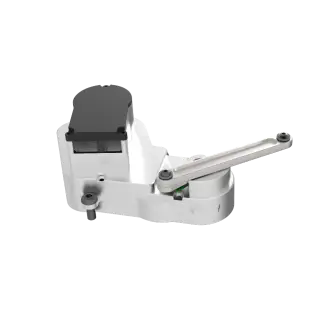
يعتمد المبدأ الأساسي على اقتران اثنينمضاعفاتالمحركات إلى بوق تحكم مشترك عبر أذرع ربط متوازية. يعمل كل جهاز مؤازر بشكل مستقل ولكنه يقوم بمزامنة مخرجاته من خلال القيود الميكانيكية. عندما يتحرك أحد المؤازرين، يتبعه الآخر، مما يؤدي إلى إنشاء ناقل قوة موحد. يلغي هذا الترتيب بشكل فعال خلوص التروس الداخلي. والنتيجة هي اتصال قوي يحاكي التشغيل الهيدروليكي ولكن بدقة إلكترونية. يصبح توزيع الحمل متماثلًا، مما يمنع التآكل غير المتساوي للمحامل أو الأعمدة. يلاحظ المشغلون تحسينات فورية في ملمس العصا ودقة التتبع.
المزايا على أنظمة المؤازرة الفردية
Single servos often struggle with peak torque demands during aggressive maneuvers. Parallel configurations share the burden, allowing each unit to operate within optimal efficiency ranges. This reduces heat generation and electrical draw, preserving battery life in electric models. Furthermore, redundancy plays a crucial role. If one servo fails temporarily, the other can maintain limited control, providing a critical safety margin. The elimination of lash ensures that pilot inputs translate instantly to surface deflection. This direct correlation enhances maneuverability and reduces pilot workload during complex flights.
Technical Considerations for Implementation

Installing parallel servos requires careful attention to synchronization. Both units must have response curves and power delivery characteristics. Mismatched specifications can lead to binding or conflicting forces, damaging the mechanism. Timing alignment is essential before initial testing. Operators should verify that both servos move in unison across the full range of motion. Additionally, structural integrity of the mounting points must be assessed. High-torque outputs demand reinforced frames to prevent flexing. Proper wiring harnesses should minimize signal interference between channels.
Selection Criteria for Procurement
Choosing the right parallel servo setup involves evaluating torque ratings, speed, and durability. Look for servos specifically designed for high-load applications. Metal gears are preferred over plastic for long-term reliability. Water resistance may be necessary for outdoor operations. Check for digital feedback capabilities that allow precise calibration. Ensure compatibility with existing receiver systems and power supplies. Consulting technical datasheets helps identify units that meet specific thrust-to-weight ratios. Engaging with experienced suppliers can clarify integration requirements.
Key Specifications to Check
Common Questions About Parallel Servo Systems
Do parallel servos consume more power?
Yes, slightly due to dual units. However, shared load often improves efficiency. Total draw depends on maneuver intensity.
Can I mix different servo brands?
Not recommended. Mismatched specs cause binding. Use identical units for synchronized operation.
Is installation difficult?
Requires precise timing alignment. Follow manufacturer guidelines for linkage setup. Professional help may be needed.
Does this work for all helicopter sizes?
Most effective in mid-to-large models. Small helicopters may lack space for dual units.
What happens if one servo fails?
Control reduces authority significantly. Backup capabilities depend on remaining servo strength.
هل التروس المعدنية ضرورية؟
Highly advised. Plastic gears wear faster under dual load. Metal ensures longevity.
How does this affect flight time?
Minimal impact if efficient. Balanced load prevents excessive current spikes.
Can I use analog servos?
Digital servos offer better resolution. Analog may lag in synchronization.
What maintenance is required?
Regular lubrication of linkages. Check for loose screws and worn horns.
Is backup support available?
Reputable suppliers offer technical assistance. Ensure warranty covers dual-unit issues.
Choosing the Right Configuration for Your Needs
Selecting a parallel servo system requires balancing performance needs with budget constraints. Evaluate your specific flight profile and mechanical limitations. Prioritize suppliers who provide detailed technical support and quality assurance. Investing in robust components pays off in reduced downtime and enhanced reliability. For complex applications, consulting with engineering experts ensures optimal integration. Contact kpowerمضاعفات to discuss your specific requirements and explore tailored motion control solutions.
Update Time:2026-07-16


