



























الدعم الفني


تم النشر 2026-07-13
عنوان SEO: كيفية الترتيبمضاعفاتالمحركات: دليل المشتري لمقارنة الأداء والقيمة
الوصف التعريفي: توقف عن تخمين أي منهامضاعفاتالمحرك يعمل بشكل أفضل. يقارن هذا الدليل عزم الدوران والسرعة والتغذية الراجعة والموثوقية. استخدم قائمة المراجعة لاتخاذ قرار شراء أكثر ذكاءً لخط التشغيل الآلي الخاص بك.
إجابة سريعة
لا يوجد "أفضل" واحدمضاعفاتتصنيف المحرك الذي يناسب جميع التطبيقات. يعتمد الاختيار الصحيح على متطلبات عزم الدوران المحددة لديك، ونطاق السرعة، ونوع التغذية المرتدة، والظروف البيئية. المحرك الذي يحتل المرتبة الأعلى في فئة واحدة - مثل السرعة - قد يكون أداءه سيئًا في فئة أخرى، مثل الاحتفاظ بعزم الدوران أو المتانة. يجب على المشترين تقييم التصنيفات بناءً على ملف تعريف التحميل الفعلي لجهازهم، ودورة العمل، واحتياجات الدقة. تعد مقارنة المواصفات مثل نسبة عزم الدوران إلى القصور الذاتي المقدرة، ودقة التغذية المرتدة، وتقييم IP أكثر فائدة من الاعتماد على التصنيفات العامة. تحقق دائما. بيانات الأداء مع المورد قبل اتخاذ القرار النهائي.
مقدمة
واجه كل مدير إنتاج هذا الموقف: خط التشغيل الآلي الجديد على وشك التشغيل، ولكن المحركات المؤازرة التي تم اختيارها بناءً على تصنيف شائع عبر الإنترنت تسبب اهتزازًا غير متوقع، أو سخونة زائدة، أو أخطاء في تحديد الموضع. يتوقف الخط. فريق الصيانة يتدافع. ينزلق هدف الإنتاج.
هذه ليست قصة نادرة. في كثير من الحالات، لا تكمن المشكلة في المحرك نفسه، بل في عدم التطابق بين التصنيف والتطبيق الحقيقي. غالبًا ما تتجاهل التصنيفات العامة العوامل الحاسمة مثل دورة العمل ودرجة الحرارة المحيطة وطول الكابل وتوافق وحدة التحكم. عندما يعتمد المشترون فقط على القائمة دون فهم المعلمات الأساسية، فإنهم يخاطرون بفترة توقف أطول، والمزيد من الأجزاء المرفوضة، وأوقات تشغيل أطول.
ولهذا السبب لا تمنحك هذه المقالة تصنيفًا ثابتًا. وبدلاً من ذلك، فهو يوفر لك الأدوات اللازمة لبناء تصنيفك الخاص، بناءً على احتياجاتك المحددة. سوف تتعلم ما هي المعلمات المهمة، وكيفية مقارنة المحركات عبر العلامات التجارية المختلفة، وما هي الأسئلة التي يجب طرحها قبل الالتزام بالمورد.
جدول المحتويات
لماذا يمكن أن تؤدي تصنيفات المحركات المؤازرة العامة إلى تضليل المشترين؟
معلمات الأداء الرئيسية التي يجب عليك مقارنتها
كيفية تقييم توافق عزم الدوران والسرعة والقصور الذاتي
نوع التعليقات وحلها: ما يهم حقًا
العوامل البيئية والمتانة للتحقق
الأخطاء الشائعة عند مقارنة تصنيفات محرك سيرفو
الأسئلة التي يطرحها المشترون غالبًا حول أداء محرك سيرفو
بحاجة إلى مساعدة في اختيار محرك سيرفو المناسب لتطبيقك
لماذا يمكن أن تؤدي تصنيفات المحركات المؤازرة العامة إلى تضليل المشترين؟
تعتمد معظم التصنيفات عبر الإنترنت على بيانات محدودة، غالبًا ما تكون من حالة اختبار واحدة أو مادة تسويقية. قد يحتل المحرك مرتبة عالية بسبب ذروة عزم الدوران، لكن عزم الدوران هذا قد يكون مستدامًا لبضع ثوانٍ فقط. في تطبيق الخدمة المستمرة، يمكن أن يسخن نفس المحرك بسرعة.
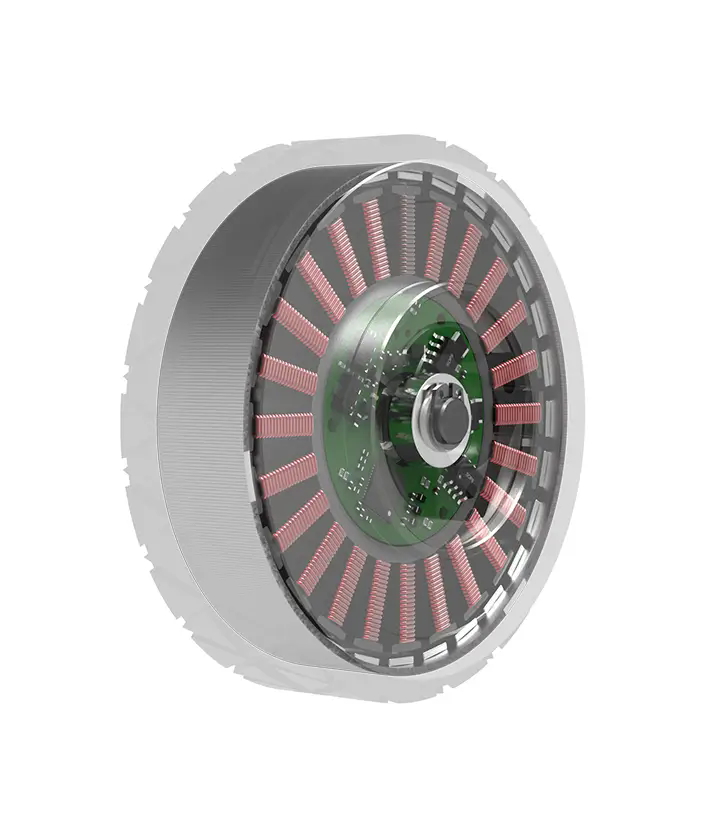
هناك مشكلة أخرى وهي أن التصنيفات نادرًا ما تأخذ في الاعتبار خصائص التحميل المحددة الخاصة بك. إن المحرك المُحسّن للأحمال ذات القصور الذاتي المنخفض، مثل روبوتات الالتقاط والمكان، سيكون أداؤه ضعيفًا في التطبيقات ذات القصور الذاتي العالي مثل الطاولات الدوارة أو الفهرسة الثقيلة.
تتجاهل التصنيفات أيضًا جودة جهاز الملاحظات. يمكن أن يكون لمحركين لهما تصنيفات عزم دوران وسرعة متطابقة دقة تحديد موقع مختلفة تمامًا اعتمادًا على ما إذا كانا يستخدمان محللًا أو تشفيرًا تزايديًا أو تشفيرًا مطلقًا. قد يكون المحرك المعتمد على المحلل أكثر متانة في البيئات ذات الاهتزازات الثقيلة، بينما يوفر المحرك المعتمد على التشفير المطلق دقة أفضل لتحديد المواقع متعددة الدورات.
غالبًا ما تكون نتيجة الاعتماد على تصنيف عام وقتًا أطول للتشغيل، وجهد ضبط أعلى، وانخفاض موثوقية الماكينة بشكل عام. بدلاً من السعي وراء التصنيف، ركز على مطابقة أداء المحرك مع ملف تعريف الدورة الفعلي لجهازك.
معلمات الأداء الرئيسية التي يجب عليك مقارنتها
عند إنشاء المقارنة الخاصة بك، ابدأ بهذه المعايير السبعة. أنها تشكل الأساس لأياختيار محرك سيرفوقرار.
قارن هذه القيم عبر ثلاثة موردين على الأقل تحت نفس ظروف الاختبار. إذا نشر أحد الموردين عزم الدوران المقدر عند درجة حرارة محيطة مختلفة أو دورة عمل مختلفة، فاضبط المقارنة وفقًا لذلك.
كيفية تقييم توافق عزم الدوران والسرعة والقصور الذاتي
عدم التطابق الأكثر شيوعًا في تطبيقات المحركات المؤازرة هو بين منحنى سرعة عزم دوران المحرك والطلب الفعلي للحمل. إن التصنيف الذي يسرد ذروة عزم الدوران فقط يتجاهل منطقة التشغيل المستمر حيث تقضي معظم الآلات أكثر من 90% من وقتها.
ابدأ بحساب عزم الدوران المطلوب للحمل عبر الدورة بأكملها - التسارع، والسرعة الثابتة، والتباطؤ، والسكون. قارن ذلك بمنطقة عزم الدوران المستمر للمحرك. إذا تجاوزت ذروة الطلب ذروة عزم دوران المحرك لأكثر من بضع ثوانٍ، فقد يؤدي المحرك إلى حدوث خطأ في التيار الزائد أو إيقاف التشغيل الحراري.
مطابقة القصور الذاتي لا تقل أهمية. قد يواجه المحرك ذو القصور الذاتي للدوار المنخفض جدًا صعوبة في التحكم في حمل القصور الذاتي العالي، مما يتسبب في التذبذب أو أوقات الاستقرار الطويلة. القاعدة الأساسية الجيدة هي الحفاظ على نسبة القصور الذاتي للمحرك أقل من 10:1 للتطبيقات القياسية، وأقل من 5:1 لتحديد المواقع عالي الدقة. إذا كانت النسبة الخاصة بك أعلى، فكر في محرك أكبر أو علبة تروس.
وينبغي أيضا التحقق من متطلبات السرعة. قد يوفر المحرك الذي يبلغ معدل سرعته 3000 دورة في الدقيقة عزم دوران مقدرًا يصل إلى 2000 دورة في الدقيقة فقط، مع انخفاض عزم الدوران فوق تلك السرعة. تحقق دائمًا من منحنى سرعة عزم الدوران، وليس فقط السرعة المقدرة.
نوع التعليقات وحلها: ما يهم حقًا
غالبًا ما تكون أجهزة التغذية المرتدة هي العامل الأكثر إغفالًا في مقارنات المحركات المؤازرة. ومع ذلك، فإن لها تأثيرًا مباشرًا على دقة تحديد المواقع، وقابلية التكرار، واستقرار النظام.
هناك ثلاثة أنواع شائعة:
محلل: متين، ومقاوم للصدمات والاهتزازات، ولكنه ذو دقة محدودة. مناسبة للبيئات الوعرة حيث الدقة المطلقة ليست حرجة.
التشفير التزايدي: يقدم دقة أعلى من أدوات الحل. يتطلب دورة صاروخ موجه بعد فقدان الطاقة. جيد لمعظم الأتمتة للأغراض العامة.
التشفير المطلق: يحافظ على بيانات الموقع حتى بعد انقطاع الطاقة. لا صاروخ موجه المطلوبة. مثالية للأنظمة والتطبيقات متعددة المحاور التي تتطلب تكرارًا عاليًا.
يتم قياس الدقة بالنبضات لكل ثورة (PPR) أو البتات. يوفر برنامج التشفير 17 بت 131,072 عملية حسابية لكل دورة، بينما يوفر برنامج التشفير 23 بت أكثر من 8 ملايين عملية حسابية. تتيح الدقة الأعلى تحديد موضع أفضل ولكنها تتطلب أيضًا وحدة تحكم أسرع وتشغيل كابل أقصر لتجنب ضوضاء الإشارة.
بالنسبة لمعظم تطبيقات التعبئة والتغليف والتجميع ومعالجة المواد، يوفر برنامج التشفير المطلق 17 بت إلى 20 بت توازنًا جيدًا بين التكلفة والأداء. بالنسبة للآلات الدقيقة أو معدات أشباه الموصلات، فكر في 22 بت أو أعلى.
العوامل البيئية والمتانة للتحقق
قد يتعطل المحرك المؤازر الذي يعمل بشكل جيد في معمل نظيف يتم التحكم في درجة حرارته خلال أشهر على أرضية المصنع المعرضة لسائل التبريد أو الغبار أو الحرارة المحيطة العالية.
تحقق منتصنيف IPأولاً. بالنسبة للبيئات الداخلية الجافة، عادةً ما يكون IP54 كافيًا. للغسيل أو معالجة الطعام، يوصى باستخدام IP65 أو أعلى. بالنسبة للبيئات الخارجية أو المتربة، يوفر IP67 الحماية الكاملة ضد دخول الغبار والغمر المؤقت.
نطاق درجة حرارة التشغيل هو عامل حاسم آخر. يتم تصنيف معظم المحركات المؤازرة القياسية من 0 درجة مئوية إلى 40 درجة مئوية. إذا كان التطبيق الخاص بك يعمل بالقرب من الأفران، أو في مخزن بارد، أو في ضوء الشمس المباشر، فتحقق من تصنيف درجة الحرارة الممتدة للمحرك. قد تحتاج بعض المحركات إلى التبريد القسري أو تخفيض درجة الحرارة فوق 40 درجة مئوية.
يؤثر طول الكابل ونوع الموصل أيضًا على الأداء. يمكن أن تتسبب الكابلات الطويلة في انخفاض الجهد وتدهور الإشارة، خاصة بالنسبة لأجهزة التشفير عالية الدقة. إذا تجاوز طول الكابل الخاص بك 10 أمتار، فاسأل المورد عن الكابلات المحمية أو الإشارات التفاضلية أو صناديق التشفير عن بعد.
الأخطاء الشائعة عند مقارنة تصنيفات محرك سيرفو
حتى المهندسين ذوي الخبرة يقعون في هذه الفخاخ. تجنبهم لإجراء مقارنة أكثر موثوقية.
خلط شروط الاختبار: قد يقوم أحد الموردين بتقييم عزم الدوران عند 25 درجة مئوية، وآخر عند 40 درجة مئوية. قارن فقط القيم التي تم اختبارها في ظل نفس الظروف المحيطة.
تجاهل دورة العمل: يمكن للمحرك المصنف للخدمة المستمرة S1 أن يعمل إلى أجل غير مسمى. لا يمكن تشغيل المحرك ذو التصنيف S2 إلا لفترة قصيرة قبل التبريد. سيؤدي استخدام محرك S2 في التشغيل المستمر إلى ارتفاع درجة الحرارة.
تطل على توافق وحدة التحكم: إن المحرك عالي الأداء المقترن بمحرك غير متطابق لن يحقق أبدًا الأداء المقدر له. تأكد من أن محرك الأقراص يدعم نوع ردود فعل المحرك والجهد والملف التعريفي الحالي.
الاعتماد على ذروة عزم الدوران وحده: ذروة عزم الدوران مستدامة عادةً لمدة تقل عن 3 ثوانٍ. بالنسبة لمعظم التطبيقات، فإن عزم الدوران المستمر هو القيد الحقيقي.
عدم الأخذ في الاعتبار خسائر علبة التروس: إذا تم استخدام علبة التروس، فإن كفاءتها ورد فعلها العكسي يزيدان من القصور الذاتي الفعال للنظام وخطأ تحديد الموقع.
يمكن أن يؤدي تجنب هذه الأخطاء إلى تقليل وقت التشغيل بنسبة تصل إلى 30% وتحسين وقت تشغيل الماكينة بشكل كبير.
الأسئلة التي يطرحها المشترون غالبًا حول أداء محرك سيرفو
س: كيف أعرف ما إذا كان تصنيف محرك سيرفو موثوقًا به؟
ج: ابحث عن التصنيفات التي تحدد ظروف الاختبار - درجة الحرارة المحيطة، ودورة العمل، ونوع الحمل. تتضمن التصنيفات الموثوقة أيضًا منحنيات سرعة عزم الدوران وبيانات دقة ردود الفعل.
س: ما هو الأهم، عزم الدوران أم السرعة؟
ج: يعتمد ذلك على طلبك. بالنسبة لدورات التسارع العالية، تكون نسبة عزم الدوران إلى القصور الذاتي هي الأكثر أهمية. بالنسبة للعمليات المستمرة عالية الإنتاجية، تعد السرعة المقدرة وعزم الدوران المستمر أكثر أهمية.
س: هل يمكنني استخدام محرك قائم على محلل لتحديد المواقع بدقة عالية؟
ج: أدوات الحل أقل دقة من برامج التشفير. بالنسبة للتطبيقات التي تتطلب تكرارًا أفضل من 0.1 درجة، يوصى باستخدام برنامج تشفير مطلق.
س: لماذا يسخن محرك سيرفو الخاص بي على الرغم من أنه ضمن عزم الدوران المقدر؟
ج: التحقق من دورة العمل. قد يعمل المحرك في وضع S2 لفترة قصيرة أو يتعرض لدرجات حرارة محيطة عالية. تحقق أيضًا من طول الكابل وضبط محرك الأقراص.
س: هل يجب أن أختار دائمًا برنامج التشفير ذو الدقة الأعلى؟
ج: لا. الدقة الأعلى تزيد من التكلفة وحساسية الإشارة. اختر الدقة التي تتوافق مع دقة تحديد المواقع المطلوبة. بالنسبة لمعظم الأتمتة، يكون 17 بت إلى 20 بت كافيًا.
س: ما مدى أهمية نسبة عزم الدوران إلى القصور الذاتي؟
ج: مهم جداً. النسبة المنخفضة تعني تسارعًا أبطأ وأوقات استقرار أطول. وهذا يؤثر بشكل مباشر على وقت الدورة والإنتاجية.
س: ما الفرق بين عقد عزم الدوران وعزم الدوران المقدر؟
ج: عزم الدوران هو عزم الدوران الذي يمكن للمحرك الحفاظ عليه في حالة توقف تام مع الطاقة المطبقة. عزم الدوران المقدر هو عزم الدوران المستمر الذي يمكن للمحرك توفيره أثناء الدوران دون ارتفاع درجة الحرارة.
س: هل يمكنني مزج محركات سيرفو من ماركات مختلفة في نظام واحد؟
ج: يجوز ولكن لا ينصح به. قد يكون لدى العلامات التجارية المختلفة بروتوكولات تعليقات وخوارزميات ضبط وملفات تعريف غير متوافقة. وهذا يزيد من تعقيد التكليف والمخاطر.
س: كيف يمكنني التحقق مما إذا كان محرك سيرفو مناسبًا لبيئة الغسيل؟
ج: التحقق من تصنيف IP. مطلوب IP65 أو أعلى للغسيل. تحقق أيضًا من ختم الموصل ونقطة دخول الكابل، حيث إنها مناطق فشل شائعة.
س: ما الذي يجب أن أطلبه من المورد قبل الشراء بناءً على التصنيف؟
ج: اطلب منحنى سرعة عزم الدوران، وتقييم دورة العمل، ودقة التعليقات، ونطاق درجة الحرارة المحيطة، وتقييم IP، وقائمة توافق وحدة التحكم.
بحاجة إلى مساعدة في اختيار محرك سيرفو المناسب لتطبيقك
إن اختيار محرك سيرفو المناسب لا يعني العثور على أعلى رتبة. يتعلق الأمر بمطابقة غلاف أداء المحرك مع ملف تعريف الحمل الفعلي لجهازك ودورة العمل والظروف البيئية. المحرك الذي يحتل مرتبة أدنى في القوائم العامة ولكنه يطابق نسبة عزم الدوران إلى القصور الذاتي المحددة ومتطلبات التغذية الراجعة سيوفر وقت تشغيل أفضل، وعددًا أقل من الأجزاء المرفوضة، وتكلفة إجمالية أقل للملكية.
إذا كنت تقوم حاليًا بتقييم محركات مؤازرة لخط جديد أو ترقية نظام موجود، ففكر في إرسال ملف تعريف التحميل ومعلمات الدورة إلىkpowerمضاعفاتللمراجعة الهندسية. يمكن لفريقهم مساعدتك في مقارنة المواصفات عبر نماذج مختلفة والتوصية بالتكوين الذي يناسب تطبيقك.
ابدأ بمشاركة متطلبات عزم الدوران ونطاق السرعة والظروف البيئية. ومن هناك، يمكنك طلب جدول مقارنة تفصيلي وعرض أسعار مخصص لمشروعك.
وقت التحديث: 13-07-2026


