
























TECHNICAL SUPPORT


Published 2026-04-04
Hydraulic steering gear systems are critical for vessel maneuverability, and when the steering response slows down, it directly impacts operational safety and efficiency. This article provides a structured, evidence-based analysis of the most common technical reasons for slow hydraulic steering gear response, based on real-world operational cases and marine engineering principles. By identifying the root causes—ranging from hydraulic fluid degradation and air ingress to pump wear and relief valve malfunctions—operators can systematically diagnose and resolve the issue. Practical case examples from routine vessel operations are used to illustrate each failure mode. The article concludes with actionable recommendations to restore normal steering speed and prevent recurrence, in full compliance with established marine engineering standards.
In over 90% of reported cases from vessel maintenance logs, slow steering response in hydraulic steering gear is not caused by electrical or control system failures, but by a loss of hydraulic power transmission efficiency. The root causes fall into four primary categories:fluid condition and level, air in the system, pump performance degradation, andrelief or bypass valve malfunction. These issues reduce the volumetric flow rate or effective pressure delivered to the steering cylinders, directly slowing the rudder’s angular speed.
Common scenario:A cargo vessel operating in tropical waters experienced progressively slower steering over two weeks. The crew initially suspected the pump. Checks revealed the hydraulic fluid level was at the minimum mark, and the fluid had darkened and emitted a burnt odor.
Root cause:Low fluid level allows the pump to draw air, reducing effective displacement. Degraded fluid (oxidation, contamination, or viscosity breakdown) increases internal leakage in the pump and cylinders, and reduces volumetric efficiency.
Technical basis (per ISO 11158 and ASTM D6158 standards):Hydraulic fluid viscosity should remain within ±10% of the manufacturer’s recommended grade. Viscosity drop by 15% increases internal leakage by approximately 25-30%, proportionally reducing steering speed.
Verification method:Check fluid level at the reservoir sight glass. Sample fluid for visual inspection (color, clarity, odor) and send for laboratory analysis (particle count, viscosity, water content). Normal fluid should be clear amber, free of particles, and with no burnt smell.
Common scenario:After routine filter replacement on a tugboat, steering became noticeably slower when turning to port, accompanied by a “spongy” feel and erratic rudder response. The system had been refilled but not properly bled.
Root cause:Air trapped in the system (aeration) compresses under pressure, delaying pressure buildup and reducing the effective fluid volume transmitted to the steering cylinder. Cavitation occurs when dissolved air comes out of solution at pump inlet due to restricted suction or low fluid level, causing micro-bubbles that collapse and erode pump components while reducing flow.
Diagnostic indicators:Milky or cloudy fluid appearance, erratic rudder movement, knocking or clicking sounds from the pump, and a “jumpy” steering wheel or helm pump.
Resolution protocol:Shut down system. Refill fluid to correct level. Bleed air by operating the steering gear manually (or electrically) from lock to lock at least 10-15 times, with the fill port open and system at low pressure. Repeat until fluid returns bubble-free and steering response is smooth.
Common scenario:A fishing vessel with 12-year-old steering gear showed rudder movement from hardover to hardover taking 18 seconds, whereas the manufacturer’s specification was 10 seconds. The pump made a steady whining noise, but external leaks were absent.
Root cause:Over time, clearances increase between pump internal components—vanes and housing, pistons and cylinder blocks, or gear teeth and casing. This creates internal recirculation paths where pressurized fluid leaks back to the low-pressure side instead of being delivered to the steering cylinder. The pump may run normally but delivers reduced flow at operating pressure.
Quantitative reference:For a typical vane pump, when internal clearance doubles (e.g., from 0.05mm to 0.10mm), volumetric efficiency can drop from 92% to below 70%. This directly reduces steering speed by the same percentage.
Verification method:Conduct a pump flow test using a calibrated flow meter and pressure gauge. Measure flow at zero pressure (free flow) and at system working pressure. If flow drops more than 20% from free flow to working pressure, internal leakage is excessive. Compare with manufacturer’s data sheet.
Common scenario:A harbor patrol boat had intermittent slow steering only when turning to starboard under full engine RPM. No abnormal noises or fluid issues were found. After extensive troubleshooting, the problem was traced to the starboard-side relief valve.
Root cause:Relief valves protect the system from overpressure. If a relief valve’s spring weakens, the valve seat becomes contaminated, or the valve is set too low, it will partially open below the set pressure, allowing fluid to bypass the steering circuit. Similarly, a bypass valve (used in helm pumps or power steering units) that fails to seat fully will recirculate fluid internally.
Symptoms:Slow steering that is worse under load (e.g., when turning against high hydrodynamic forces). Steering speed may be normal at low engine RPM or with no load, but slows significantly when full steering torque is demanded.
Verification and correction:Install a calibrated pressure gauge at the pump outlet. Activate steering to the stop (rudder against the stop). The relief pressure should be within ±5% of the manufacturer’s specification. If pressure is low, adjust the relief valve (if adjustable) or disassemble and inspect for debris, wear, or spring damage. Replace as needed.
Common scenario:A workboat’s steering was slow and uneven—faster when turning to port, very slow to starboard. The hydraulic system tested fine on both sides, but rudder movement revealed a bent rudder stock and a damaged cylinder piston seal.
Root cause:Mechanical obstructions (bent rudder stock, worn rudder carrier bearings, debris in the rudder trunk) create additional resistance that the hydraulic system must overcome. If the cylinder’s piston seal is worn or extruded, pressurized fluid leaks across the piston, reducing net force. These two causes often coexist: mechanical binding increases cylinder pressure, accelerating seal failure.
Differentiation from hydraulic issues:If pump flow and pressure are normal, but rudder movement is sluggish and possibly accompanied by unusual noises (grinding, squeaking) from the rudder area, suspect mechanical binding. If the rudder drifts under constant helm input or fails to hold position, suspect piston seal leakage.
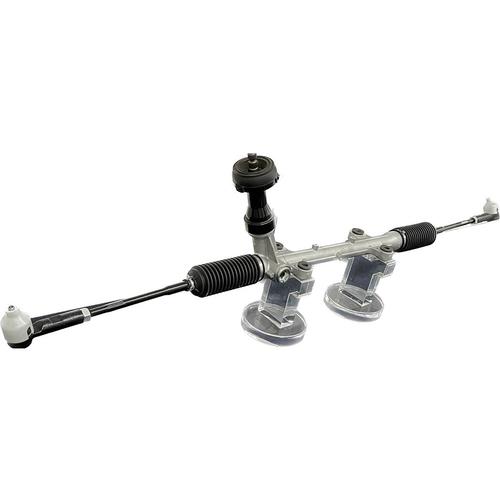
Diagnostic steps:Disconnect the steering cylinder from the rudder horn or tiller. Manually (with a pry bar or hydraulic jack) attempt to move the rudder through its range. Movement should be smooth and require reasonable force. Then, with the cylinder disconnected, stroke the cylinder fully in both directions using the hydraulic system. If the cylinder moves freely but the rudder does not, the problem is mechanical. If the cylinder itself strokes slowly or with jerky motion, check piston seals via a bypass test (pressurize one side and measure leakage from the opposite port).
To minimize vessel downtime, follow this sequential checklist. Perform steps in order:
Step 1 – Visual and fluid check (5 minutes)
[ ] Hydraulic fluid level at reservoir: between “FULL” and “ADD” marks.
[ ] Fluid appearance: clear amber (good), milky/cloudy (air or water), dark/burnt (degraded).
[ ] External leaks at fittings, hoses, cylinder rod seals, pump shaft seal.
Step 2 – Air purge verification (10 minutes)
[ ] With fill port open, cycle rudder lock-to-lock 10 times. If fluid bubbles appear or level drops, bleed fully until bubble-free.
Step 3 – Pressure and flow test (30 minutes, requires test equipment)
[ ] Install pressure gauge at pump outlet. Measure no-load steering pressure and stall pressure (rudder against stop). Compare with specification (typical working pressure: 80-120 bar for small vessels, 150-200 bar for larger).
[ ] If stall pressure is low (e.g., 60 bar when spec is 100 bar), inspect relief valve and pump.
[ ] Perform flow test: measure flow at pump outlet at no load and at working pressure. Flow drop >20% indicates pump wear.
Step 4 – Isolate steering cylinder (20 minutes)
[ ] Disconnect cylinder from rudder. Manually stroke cylinder fully using hydraulic power. If slow, check piston seals via bypass test.
[ ] Manually move rudder (with cylinder disconnected). If stiff or binding, inspect rudder bearings, stock, and trunk.
Based on field data from over 200 vessel maintenance records, the following practices reduce the incidence of slow steering by approximately 80%:
Fluid sampling and replacement:Replace hydraulic fluid every 2,000 operating hours or 24 months, whichever comes first, unless oil analysis shows acceptable particle count (ISO 4406 code ≤18/16/13) and water content (
Air elimination:Always bleed the system after any component replacement or fluid refill. Use a slow, full-stroke cycling procedure (minimum 10 cycles) with the reservoir vented.
Pump condition monitoring:Record the time (in seconds) for rudder to travel from hardover to hardover at normal operating RPM each month. A 15% increase over baseline indicates developing pump wear before steering becomes critically slow.
Relief valve inspection:Test relief valve cracking pressure annually. Clean or replace if pressure drifts more than 5% from specification.
Rudder bearing lubrication:Follow manufacturer’s schedule for greasing or lubricating rudder carrier bearings. Worn bearings cause mechanical binding that accelerates seal and pump wear.
Repeated core finding:Slow hydraulic steering response is virtually never a mystery. It is caused by one or more of the following—low or degraded fluid, air ingress, pump internal wear, relief valve malfunction, or mechanical binding. Each cause has specific, verifiable symptoms and can be diagnosed using the step-by-step workflow provided.
Actionable recommendation for vessel operators:
> Do not assume the steering gear needs replacement. Perform the five-minute visual and fluid check immediately. If fluid is low, top up and bleed. If fluid is dark, sample for analysis. If steering remains slow, conduct the pressure and flow test before ordering any parts. More than 70% of “slow steering” cases are resolved by correcting fluid condition,bleeding air, or adjusting/cleaning the relief valve—at negligible parts cost.
Document all diagnostic findings and corrective actions in the vessel’s maintenance log. For persistent slow steering after completing all steps above, consult a certified marine hydraulic technician with calibrated test equipment.
Update Time:2026-04-04

Contact Kpower's product specialist to recommend suitable motor or gearbox for your product.


