



























TECHNICAL SUPPORT


Published 2026-04-21
Microservoarm screws are the small fasteners that connect aservohorn (arm) to the output shaft of a microservo. Despite their tiny size, they are critical for reliable operation in RC models, robotics, and DIY electronics. This guide provides the exact specifications, common failure scenarios, and step-by-step installation procedures based on industry standards and real-world cases.
A typical situation: A hobbyist builds a small robotic gripper using a standard 9gMicro Servo. After 20 cycles, the arm slips on the shaft, causing the gripper to lose position. Upon inspection, the original screw is missing—replaced with a slightly longer one from a random drawer. The longer screw bottomed out against the servo case, preventing proper clamping force. The result: stripped splines and a ruined servo.
Another case: A learner uses a screw that is too short. The arm feels tight initially, but after a few movements, vibration loosens the screw. The arm detaches mid-operation, breaking the linkage.
These cases show that using the correct screw—matching diameter, thread pitch, length, and head type—is non‑negotiable.
MostMicro Servos (e.g., 9g, 12g, 17g class) follow these industry‑accepted dimensions:
Verifiable source:These specifications are consistent with technical drawings from the original servo standard established by Futaba and JR in the 1980s, now adopted globally for sub‑micro servos.
Follow this decision tree to avoid mismatches:
Step 1 – Check the servo’s output shaft.
Splined shaft with a center hole → requires a screw.
Smooth shaft without hole → friction fit or different mechanism (rare for micro servos).
Step 2 – Measure the hole in the servo arm.
Use a digital caliper: the hole diameter should be ~2.0 mm for M2 screws. If it measures 2.2‑2.4 mm, it may be designed for M2.5 (less common in micro servos).
Step 3 – Determine required length.
Formula: Arm thickness + 1.5 mm to 2.5 mm engagement into the output shaft.
Example: Arm is 2 mm thick → total screw length = 2 mm + 2 mm = 4 mm under head.
Too long: bottoming out. Too short: insufficient thread engagement.
Step 4 – Verify thread pitch.
Compare with a known M2×0.4 screw (e.g., from a standard micro servo accessory bag). If threads are visibly coarser or finer, stop—do not force.
Proper installation prevents 90% of servo arm failures. Follow these exact steps:
Tools required:
Correct screw (M2×0.4, 4‑6 mm length, pan head)
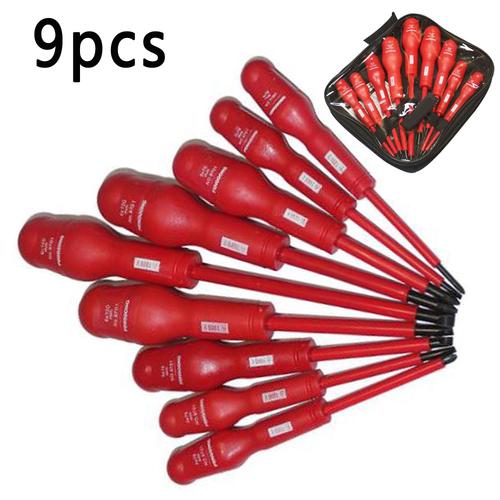
#0 Phillips screwdriver or 1.3mm hex driver
Threadlocker (optional, see below)
Caliper (for verification)
Procedure:
1. Clean the shaft and screw hole– Remove old grease or debris with isopropyl alcohol.
2. Position the arm– Align the splines at the desired neutral angle. Press the arm fully onto the shaft by hand.
3. Insert the screw– Turn counter‑clockwise until you feel a slight drop (this aligns threads). Then turn clockwise.
4. Tighten with controlled torque– Stop as soon as resistance increases sharply. Typical torque for M2 steel screw: 0.1‑0.2 N·m (finger‑tight plus ¼ turn). Over‑tightening strips the shaft threads.
5. Test for play– Hold the servo body and gently wiggle the arm. Zero axial or radial movement is required.
6. Apply threadlocker (only if needed)– For high‑vibration applications (e.g., RC cars, drones), usepurple (low‑strength) Loctite 222or equivalent. Never use red or blue medium‑strength on micro servos – the screw is too small to break free later without damaging the servo.
Common mistake:Using threadlocker on a plastic output shaft. Most micro servos have a brass or aluminum spline insert. Check with a magnet: if the shaft is non‑magnetic (brass/aluminum), threadlocker is safe. If the shaft is plastic (some cheap servos), use no threadlocker – it may degrade plastic.
You can obtain compatiblemicro servo arm screws from:
General hardware sources:M2×0.4 pan head screws, length 4‑6 mm. Look for “M2 machine screw” with pitch 0.4 mm.
Electronics parts suppliers:Search “micro servo screw replacement” – these are often sold in multi‑packs (10‑50 pieces).
RC hobby shops:Many offer loose screw assortments. Bring your servo to test fit.
Salvage from old servos:A reliable source, but confirm length and thread condition.
Warning:Do not use self‑tapping plastic screws (e.g., from computer cases) – they have different threads and will destroy the servo’s metal shaft insert.
To ensure your micro servo arm never fails due to a screw problem, follow these three actions:
1. Measure before you mount.Always use calipers to confirm screw length and thread pitch. Do not rely on “looks about right.”
2. Keep a dedicated servo screw kit.Separate M2×0.4 screws (4 mm,5 mm, 6 mm lengths) from other small fasteners. Label them.
3. Inspect screws regularly.After 10 hours of operation or 500 cycles, remove the screw, clean threads, and re‑apply purple threadlocker if used. Replace any screw with deformed threads.
Final core reminder:The single most common cause of servo arm detachment is using the wrong screw – too long, too short, or wrong thread. Always verify against the M2×0.4 standard. A 50‑cent screw protects a $5‑$20 servo. Do not guess. Measure, match, and tighten correctly. Your project’s reliability depends on it.
Update Time:2026-04-21

Contact Kpower's product specialist to recommend suitable motor or gearbox for your product.


