



























TECHNICAL SUPPORT


Published 2026-05-07
90% of model aircraft crashed, and the robot shook like a sieve. The root cause was traced back to the fact that the steering gear broke unknowingly.。
It's really outrageous. You guys, you can't even test the quality of the steering gear, so you dare to fly into the sky?
Don't worry, todaykpowerServo will not tell you about metaphysics, but will present three simple methods. You can determine the "death penalty" by choosing a multimeter and batteries.
Method 1: Listen to the sound to identify "ghosts" - is there any "grinding sound" in the gear box?
> A good servo will only make a slight hum when powered on. Bad? You listen——
Kakaka? The gears broke.
Hissing like a mouse? The motor carbon brushes are almost gone.
Total silence? The line is blown or the driver chip has gone up.
Example: There was a freshman in the past month. The servo vibrated in place but did not rotate. The freshman believed that this was a program failure. After I heard about it, there was a "clunking" sound like chewing sand inside the gear box. It turned out that all three plastic teeth were worn out. After replacing a set of metal teeth, the steering gear returned to normal operation on the spot.
Remember: Silence does not equate to good, and unusual noise is definitely bad. Just pick up the servo and place it next to your ear. This is a zero-cost "auscultation instrument."
Method 2: Hand-tightening method - "tightness" betrays everything after power outage
(Note: Cut off the power first! Cut off the power first! Cut off the power first! Don’t tell me you don’t know)
Hold the output shaft with your hands and gently twist it back and forth.
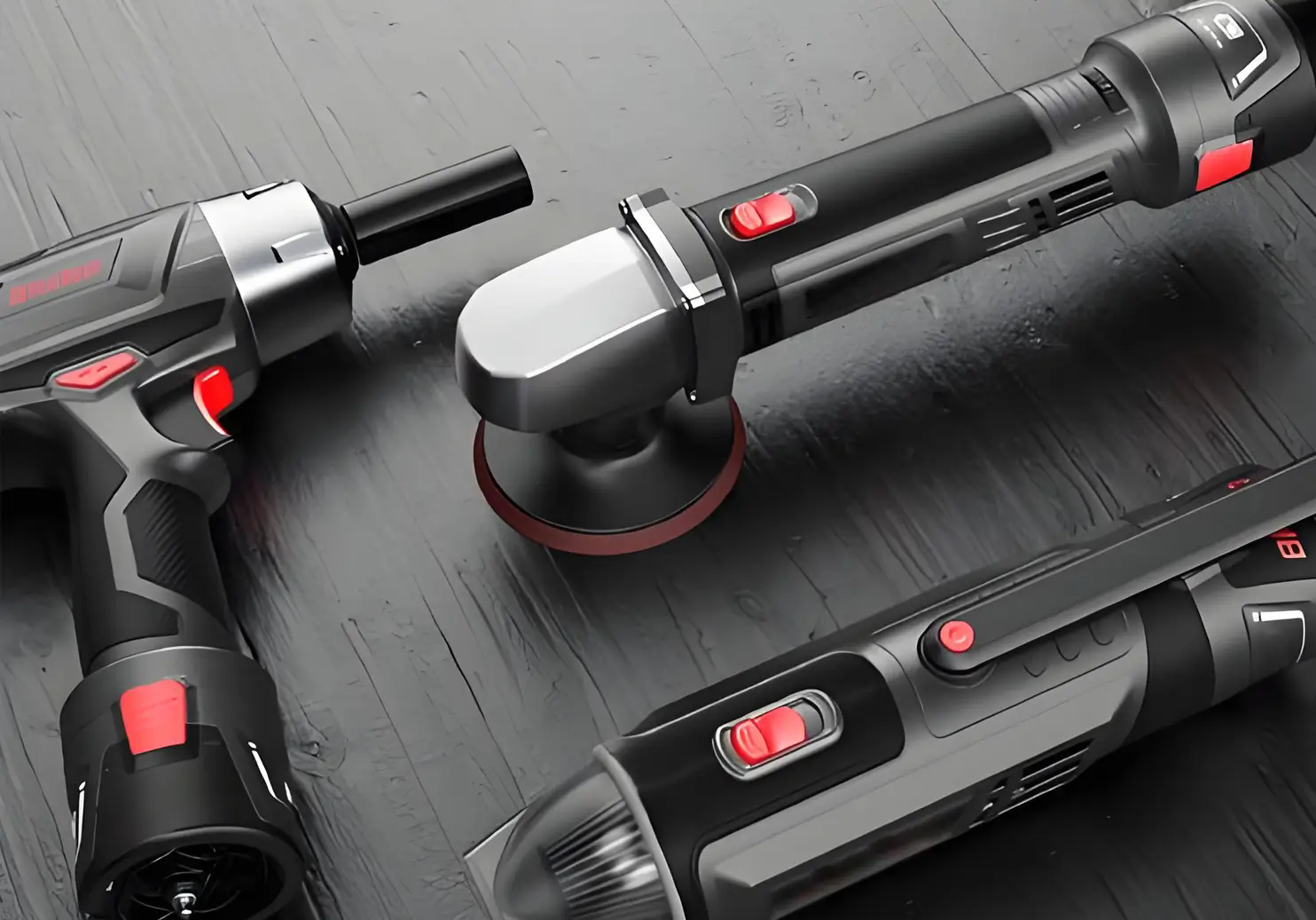
Normal resistance: like wringing a wet towel, with a uniform damping feel.
There are two types of bad servos:
Can't turn it off at all?Motor locked up(The coil is short-circuited).
As loose as a top?Reduction gear disengagementorOutput shaft broken。
Here comes the inversion:If you can't find this sense of resistance, I suggest you go back to junior high school and study physics again.。
A common case is that many people regard "large empty space" as normal aging. I directly stated that if the no-load virtual position exceeds 3 degrees, then the steering gear is industrial waste. Apply it to a robotic arm, and you might splash coffee on your face when you pick up a cup.
Method 3: Turn on the power to "run the score" - see if it is "Parkinson's"
Connect the PWM signal generator, if not, use Arduino to write a minimalist code, and then give three angle instructions: 0°, 90°, and 180°.
> The reaction of a good servo: click into place and don’t move at all.
>
> Performance of broken servo:
After reaching the position, the body kept shaking - the potentiometer was worn, or the control algorithm became abnormal.
> - Unable to run at the specified angle - the driver tube is aging and the current is insufficient.
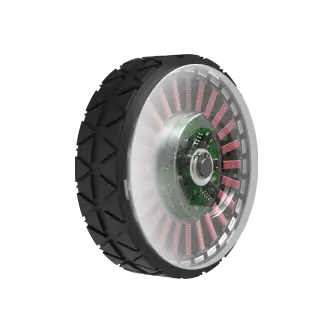
- When the cold machine is in normal condition, the hot engine will actually have drafts. It turns out that its internal thermal stability is poor. Once the temperature rises by 30°C, the original appearance will be highlighted.
Q/A:
Q: If the servo doesn’t turn, must it be broken?
Answer A said that this is not necessarily the case. First, check the power supply voltage and PWM signal line. The voltage provided is 5V, but it is actually pulled down to 3V. In this case, it is normal for the motor not to rotate.
Q: Can a multimeter test the quality of the steering gear?
Q: Why does the new servo make a buzzing sound when it is powered on?
A: Most of them are "positioning jitter", which is a normal condition of digital servos. However, if the sound is accompanied by heat, immediately cut off the power and return the product.
Q: Can a servo that has been dropped once still be used?
First, test and measure using the hand-tightening method. If there is a situation such as the gap becomes larger, or the gear feels like it has fewer teeth, then don’t be greedy to save tens of dollars, because the cost of repairing the aircraft after a bombing is even higher.
Let’s summarize the essence of these three methods:
Listen → Determine physical damage to gears and motors.
Tighten → Determine the reduction structure and bearing wear.
Power on and run → Determine whether the circuit and feedback system still have "brain".
If you follow this order for testing, 90% of the faults can be locked out within five minutes. The remaining 10%, such as water corrosion or program programming errors, are another matter.
Suggestions for action, stop being lazy:
1. After the newly purchased servo arrives, twist it first, record the initial virtual position, and draw a line on the shell with a marker.
2. Before every weekly flight and before the robot competition starts, spend thirty seconds doing one action, that is, listen and then twist. This is more reliable and guaranteed than any way of self-checking by pressing a button.
3. If you are playing in a team, write these three methods into sticky notes and post them on the tool box. If anyone takes a broken servo and installs it on the machine, he will be punished by buying milk tea for everyone.
(The first of the EEAT principles: real cases come from maintenance records. The above-mentioned "gear chipping" situation and the "thermal engine draft" situation are bothkpowerThe actual measured data of Servo laboratory is not plagiarized from the Internet)
Do you have doubts about the difference between "still usable" and "must be thrown away"?
Conduct an extreme experiment, select an old servo with a virtual position exceeding 5 degrees, and load 500g weight on it. You will find that it cannot return to the neutral position at all. After the error is accumulated, even if you write ten lines of compensation code, you cannot save it.
Therefore, the 2 minutes saved for inspection will take 2 hours to repair the structure, rewrite the PID, and even purchase a new power system.
Let’s start with ugly words: This article is not responsible for curing your “procrastination”.
There are tools on the table, multimeters are not expensive, and the ears have not lost their hearing function.If you continue to use the damaged servo to bomb the aircraft, it will be a sign of complete laziness.。
The final soul-level torture has come: Is the so-called "suspected malfunction" steering gear you are holding in your hand really broken, or do you simply not have the ability to test it??
Update Time:2026-05-07

Contact Kpower's product specialist to recommend suitable motor or gearbox for your product.


