
























TECHNICAL SUPPORT


Published 2026-09-09
Quick Answer
Choosing the rightrc crawler brushless motorscomes down to matching your vehicle's weight, intended terrain, and desired crawling characteristics. The core decision involves selecting an appropriate KV rating, understanding gear reduction ratios, and ensuring the motor can handle sustained low-speed torque demands without overheating. A poorly matched motor will either spin out on steep obstacles or overheat during extended crawls, leading to premature failure and increased operating costs.
RC crawler brushless motors play a central role in defining how a vehicle performs on technical terrain. When a buyer selects the wrong motor for their application, the consequences appear quickly: wasted budget, poor off-road performance, and frequent component replacements. This guide walks through the practical considerations that matter most when evaluating brushless motor options for crawler applications.
What Buyers Really Need to Understand
Many buyers approach this decision based on single specifications like KV rating or peak power output. These numbers tell only part of the story. A motor rated for high RPM may perform well on open terrain but struggle dramatically when low-end torque and thermal management become critical. Understanding how different components interact — motor, ESC, gearbox, and chassis — prevents costly mismatches and extends overall system life.
Understanding Brushless Motor Types for Crawl Applications
Brushless motors for RC crawlers generally fall into two categories: sensored and sensorless systems. Sensored brushless motors provide commutation feedback through hall effect sensors, enabling smoother operation at very low RPM. This matters significantly for technical crawling where precise throttle control determines whether a vehicle crests an obstacle or loses traction.
Sensorless systems, while less expensive and simpler to install, can struggle at extremely low speeds. Modern ESC technology has narrowed this gap considerably, making sensorless options viable for many crawling scenarios. Buyers should evaluate their typical terrain difficulty and driving style before committing to either configuration.
The physical construction also differs between racing-oriented brushless motors and those designed specifically for crawl applications. Crawler-specific motors typically feature stronger magnets, heavier windings, and improved thermal dissipation. These design choices support sustained low-RPM operation under heavy load — exactly what technical crawling demands.
How KV Rating Affects Crawler Performance
KV rating, measured in revolutions per minute per volt, represents one of the most misunderstood specifications in motor selection. A lower KV number means fewer RPM per volt applied, which generally translates to higher torque output at the wheel. For crawlers that navigate rock gardens and steep inclines slowly, lower KV motors paired with appropriate gear reduction deliver the controlled power delivery these vehicles require.
A 3500 KV motor will spin much faster than a 1500 KV motor on the same battery voltage, but speed alone does not determine crawling capability. The motor must work within a complete drivetrain system where gear ratios multiply torque and reduce rotational speed to usable levels. Selecting a motor without considering the full powertrain creates imbalanced systems that underperform or damage components prematurely.
Torque and Power Delivery Characteristics
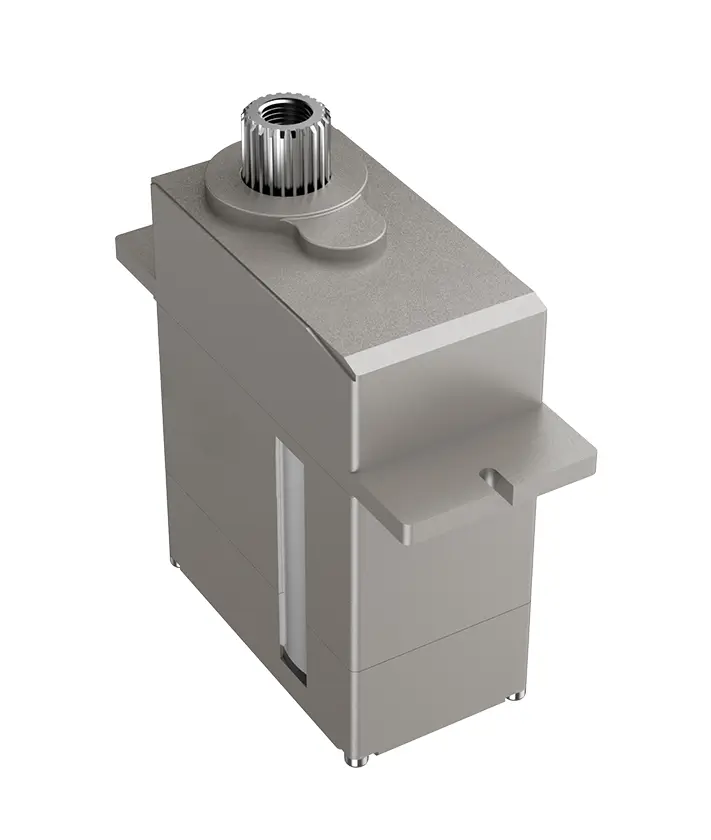
Crawling demands consistent torque across a wide RPM range, not peak horsepower. The ideal motor maintains strong pulling power from idle through mid-range RPM while avoiding sudden power surges that cause wheel spin or loss of control. This characteristic distinguishes quality crawler motors from general-purpose racing variants.
Peak torque typically occurs at a specific RPM point on the motor's performance curve. Buyers should request torque-RPM graphs from suppliers when available, as these reveal how the motor behaves under actual operating conditions. Motors that maintain torque well past their peak point offer more forgiving power delivery, which proves essential when mounting rocks or recovering from difficult positions.
Thermal behavior directly impacts sustained performance. During extended crawling sessions, motor temperature rises significantly. Quality motors incorporate design features such as aluminum can construction, optimized winding patterns, and efficient magnet materials to manage heat buildup. Operating a motor beyond its thermal limits degrades magnet strength permanently and reduces service life dramatically.
Key Specifications That Matter Most
Selecting the Right Gear Reduction Setup
The motor alone cannot deliver optimal crawling performance without proper gear reduction. Most quality crawler builds utilize planetary gearboxes or worm drive systems that multiply torque while reducing output speed to manageable levels. The overall reduction ratio determines how the motor's power curve translates to wheel torque.
A 10:1 or higher reduction ratio typically suits technical crawling applications. This means the motor spins ten times for every single rotation of the wheels, creating enormous low-speed pulling power. Buyers should evaluate whether to purchase a motor-only package or a complete system including gearbox, considering total cost, compatibility, and upgrade flexibility.
Common Mistakes That Lead to Poor Performance
One frequent error involves pairing high-KV racing motors with adequate gear reduction and expecting superior crawling results. While the gearing compensates somewhat for excessive RPM, the motor operates inefficiently at RPM ranges far above its designed optimal zone, excess generating heat and consuming battery capacity unnecessarily.
Another common mistake is neglecting ESC-motor compatibility. Not all electronic speed controllers handle the current demands of powerful brushless motors correctly. Mismatched ESC firmware settings, incorrect timing adjustments, and inadequate current handling capacity create inconsistent throttle response and potential component failure under load.
Some buyers overlook the importance of proper motor mounting and alignment. Misalignment between motor output shaft and gearbox input causes premature bearing wear, vibration, and power loss. Even minor misalignment compounds over time, leading to costly repairs and unexpected breakdowns during important runs.
How to Compare Different Motor Options
When evaluating multiplebrushless motor kitsor individual motors, buyers should establish a consistent comparison framework. Start by defining your vehicle's weight, typical terrain, and performance goals. Then compare candidates against those specific requirements rather than abstract specifications.
Physical dimensions matter significantly. Motor length, diameter, and shaft orientation must fit within your chassis constraints. Installing an oversized motor may require modifications that compromise structural integrity or weight distribution. Document your available space before making purchasing decisions.
Warranty terms and supplier support reveal important information about product confidence and long-term reliability. Manufacturers that stand behind their products with substantial warranties typically invest more in quality control and material selection. Supplier responsiveness to technical questions also indicates the level of ongoing support available if issues arise during installation or operation.
Cost Considerations Beyond the Initial Price
The purchase price represents only a fraction of total ownership cost. Motor efficiency directly affects battery consumption, which influences how many packs you need and how frequently you replace them. An efficient motor drawing less current for the same performance reduces ongoing operating expenses significantly.
Replacement parts availability affects long-term viability. Common bearing sizes, widely available replacement components, and established supplier networks reduce downtime when maintenance becomes necessary. Niche or proprietary motor designs may offer unique advantages but create supply chain risks if discontinued or if spare parts become unavailable.
Upgradability path matters for buyers planning to evolve their builds over time. Some motor systems integrate seamlessly into broader upgrade ecosystems, while others lock buyers into specific component selections. Evaluating the complete platform compatibility prevents situations where a single new component requires replacing multiple compatible parts.
Maintenance and Longevity Factors
Regular maintenance prevents premature motor failure and preserves performance over time. Cleaning debris from motor vents and bearings after each use removes abrasive particles that accelerate wear. Inspecting shaft seals and bearing condition periodically catches developing problems before they cause catastrophic failure.
Battery management directly impacts motor longevity. Operating motors with deeply discharged cells subjects them to excessive current draw and heat generation. Maintaining healthy battery voltage through proper charging practices and timely cell replacement protects motor windings and magnets from voltage-related stress.
Storage conditions affect both motor and battery health. Storing motors in damp or excessively hot environments accelerates corrosion and magnet degradation. Keeping components in a controlled, dry environment when not in use preserves their condition for extended periods between uses.
Questions Buyers Often Ask
What is the ideal KV range for an RC crawler?
Most technical crawler applications perform best with motors in the 1500 to 2500 KV range when paired with appropriate gear reduction. This provides sufficient low-end torque while maintaining manageable RPM for precise throttle control on difficult terrain.
Do I need a sensored or sensorless motor?
Sensored motors offer smoother low-speed operation critical for extreme technical crawling. Sensorless systems have improved significantly and work well for moderate terrain. Your typical crawling difficulty and budget should guide this decision.
How do I know if my motor is overheating?
Touch the motor casing after a demanding run. If it becomes too hot to hold comfortably for more than two seconds, the motor is running beyond its optimal thermal range. Check current draw, gearing ratio, and battery condition as potential causes.
Can I use a racing brushless motor for crawling?
Racing motors can function in crawler applications but often lack the low-RPM smoothness and thermal capacity that technical crawling demands. They may overheat during sustained climbs and provide less predictable power delivery at slow speeds.
What ESC amperage do I need for my motor?
Match your ESC rating to the motor's maximum current draw plus a safety margin. If a motor draws 40 amps peak, a 50-amp ESC provides adequate headroom. Undersized ESCs overheat and may fail under sustained load conditions.
How long should a quality crawler motor last?
With proper maintenance and correct application matching, quality crawler brushless motors can last several years of regular use. Thermal stress, physical impact, and electrical abuse are the primary factors that shorten service life.
Making a Better Long-Term Decision
Selecting the rightrc crawler brushless motorsrequires balancing multiple technical factors against your specific application needs. The decision extends beyond individual specifications to encompass the entire powertrain system, including ESC selection, gear reduction, battery capacity, and chassis compatibility. Taking time to evaluate these interactions prevents costly mistakes and delivers reliable performance season after season.
Buyers should request detailed specification sheets, torque curves, and thermal data from suppliers before committing to a purchase. Asking informed questions about bearing quality, magnet composition, and warranty coverage separates knowledgeable buyers from those who rely solely on marketing specifications. The extra effort during the selection process pays dividends through improved performance, longer component life, and reduced total cost of ownership.
For buyers seeking expert guidance on motor selection or ongoing technical support, reaching out to experienced suppliers with detailed application information ensures recommendations aligned with your specific requirements and operational goals.
Update Time:2026-09-09

Contact Kpower's product specialist to recommend suitable motor or gearbox for your product.


