



























TECHNICAL SUPPORT


Published 2026-09-17
Quick Answer
Motor mounts are critical structural components that secure electric motors to the drone airframe while minimizing vibration transfer. They directly influence flight stability, component lifespan, and payload capacity. The primary challenge lies in balancing structural rigidity against the need for vibration isolation. An improperly selected mount can lead to excessive harmonic resonance, causing premature bearing failure or structural fatigue. Most failures stem from ignoring the specific stress loads generated by high-powerbrushless motors. For stable performance, the mount must align with therotor balanceand support the operational RPM range.
Introduction
A loose or resonant motor mount will dismantle your drone's performance far faster than a misconfigured flight controller. While many operators obsess over motor KV ratings and propeller pitch, the mechanical interface between the motor and the frame is often the weakest link. This component determines how much high-frequency vibration translates into noise, signal interference, and structural stress.
When a mount fails to isolate these forces, the consequences cascade through the entire system. Vibration induces wear in thedrone bearings, reduces propeller efficiency, and can fracture carbon fiber layers over time. For commercial users, this translates into unplanned downtime and increased maintenance costs. For hobbyists, it means shortened flight times and a higher risk of crashes. The core problem is not just holding the motor in place; it is managing the dynamic loads generated during aggressive maneuvers and hover sustained. Many failures occur because buyers select a generic mount without verifying thevibration dampingcapabilities against their specific power configuration.
Table of Contents
The Physics of Vibration in Drone Airframes
Comparing Mount Materials and Designs
Critical Specifications for Motor Selection
Avoiding Common Installation Errors
Maintenance and Long-Term Reliability
Questions About Motor Mount Compatibility
Choosing the Right Mount for Your Build
The Physics of Vibration in Drone Airframes
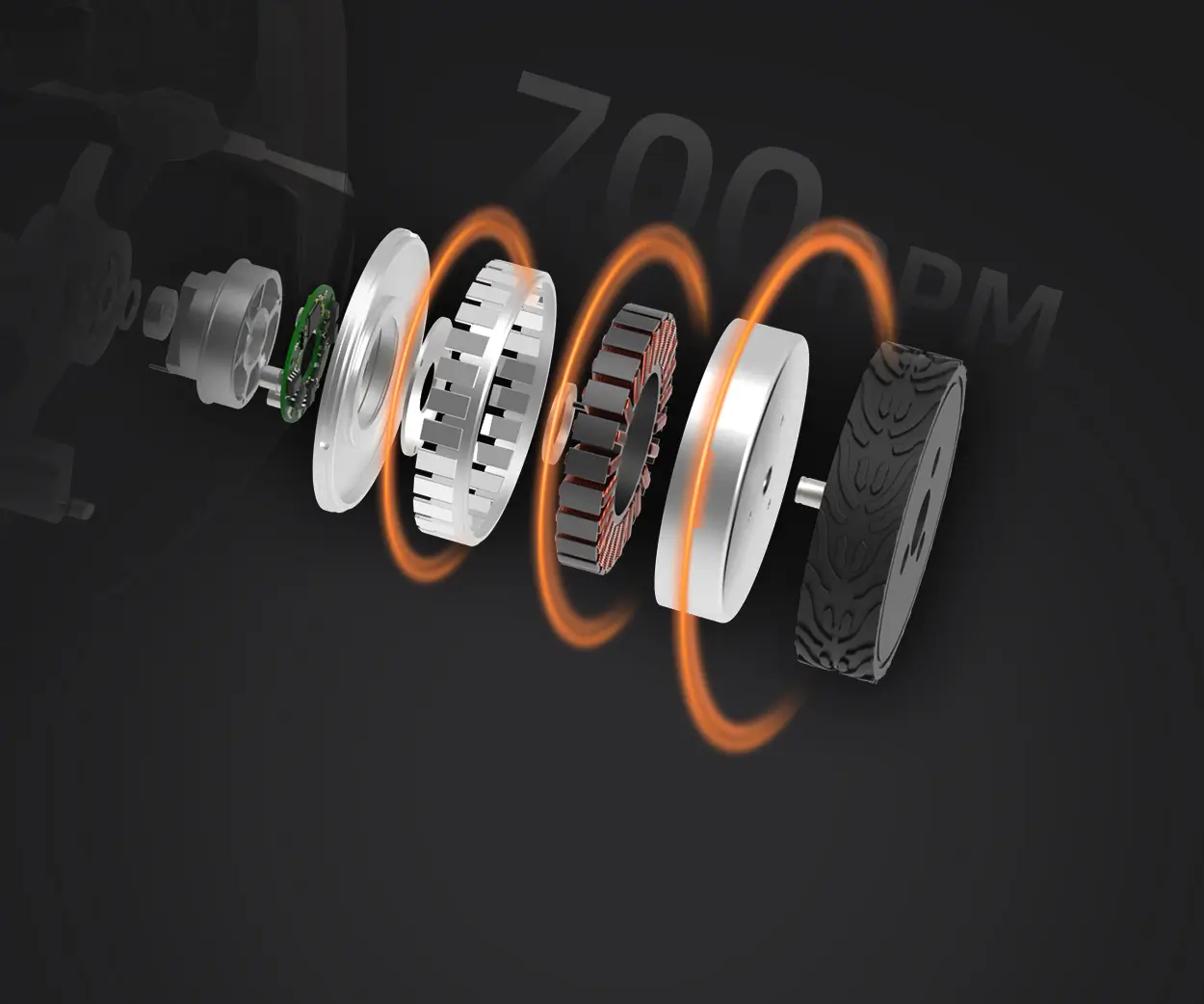
Understanding why a mount matters requires looking beyond static strength. When a motor spins, it generates radial and axial forces. These forces are not constant; they fluctuate based on prop load and motor characteristics. A rigid mount transfers these fluctuations directly into the airframe, creating standing waves of stress. This is wherematerial stiffnessplays a crucial role. High stiffness resists deformation but may amplify high-frequency vibrations if the mount resonates with the motor's operating frequency.
In contrast, a flexible mount isolates low-frequency structural vibrations but risks losing alignment at high RPMs. The ideal solution is a tuned mount that acts as a high-pass filter for mechanical noise. It must be stiff enough to keep the motor shaft aligned but compliant enough to decouple the airframe from the motor's harmonic content. This balance is rarely found in off-the-shelf parts, which is why customvibration analysisis often necessary for high-performance builds. If the mount's natural frequency overlaps with the motor's operating range, the resulting resonance can amplify stress by orders of magnitude, leading to rapid fatigue failure.
Comparing Mount Materials and Designs
Selecting the right material is a trade-off between weight, strength, and damping.
Carbon fiber is the industry standard for agile drones because it allows for thin cross-sections that deflect enough to isolate vibration without adding mass. However, it lacks inherent damping. Aluminum offers a better strength-to-weight ratio for industrial builds but is heavier. For specialized applications, hybrid designs usealuminum baseswith carbon fiber spines to optimize both structural integrity and acoustic performance. The choice depends on whether your priority is agility or durability.
Critical Specifications for Motor Selection
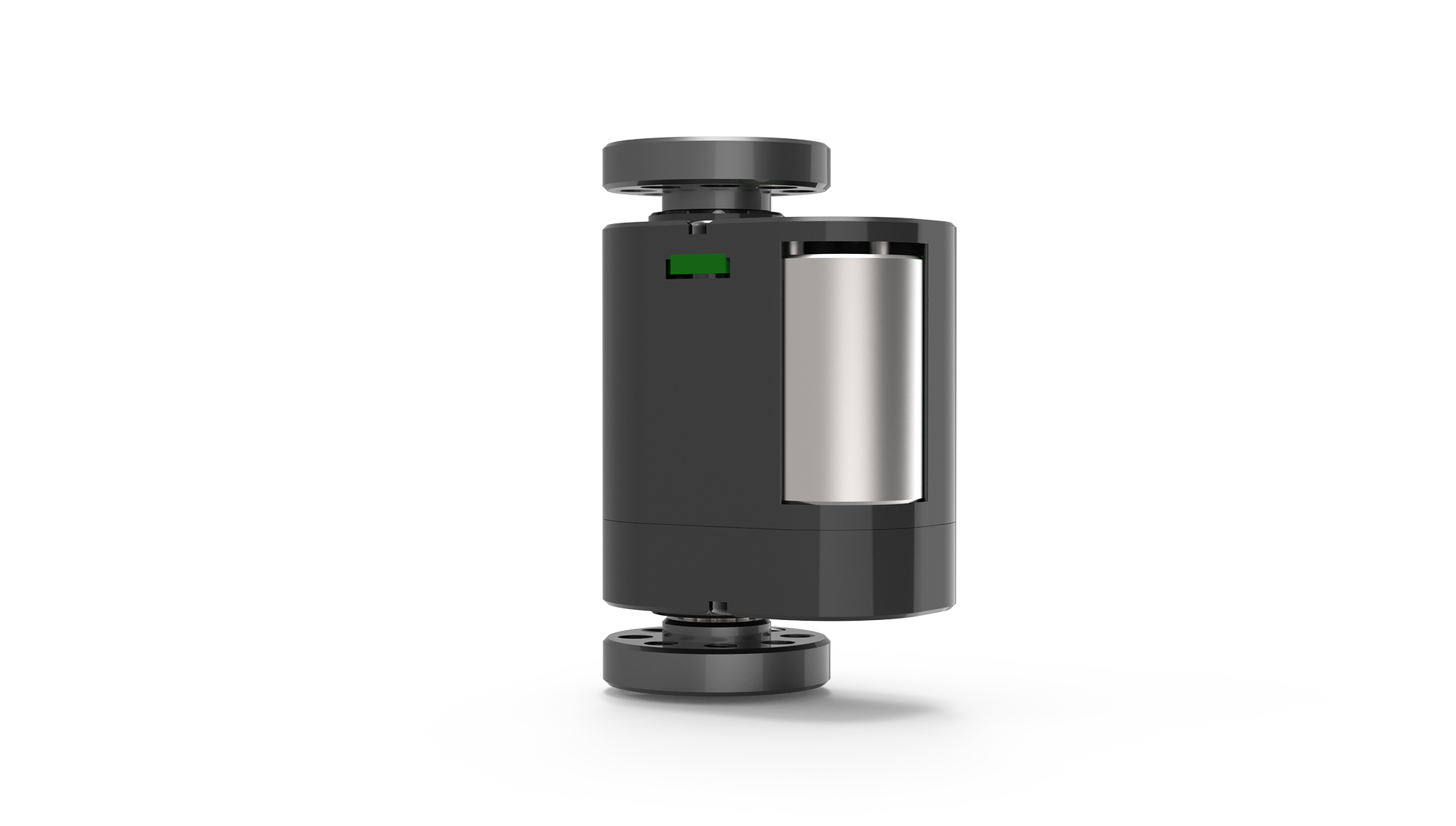
Before purchasing a mount, verify the interface compatibility. Standard motor mounting holes are not universal. You must check the hole diameter, thread pitch, and depth. A mismatch here leads to improper clamping, which causes slippage and alignment errors. Furthermore, the motor's rotor inertia affects how the mount responds to sudden throttle changes. A high-inertia rotor requires a stiffer interface to prevent excessive wobble during rapid acceleration.
Check themotor shaft diameterto ensure the bearing or sleeve in the mount fits precisely. An interference fit is usually preferred for high-speed applications to prevent micro-movement. Also, consider the cooling method. Liquid-cooled motors require different sealant tolerances than air-cooled units. Ignoring these specs can lead to leaks or thermal expansion issues that warp the mount over time. Always cross-reference the manufacturer's mechanical drawings rather than relying on generic adapters.
Avoiding Common Installation Errors
Most mount failures are not due to the part itself, but to the installation process. Torque values are the first oversight. Over-torquing can strip threads in lightweight materials, while under-torquing allows the motor to shift under load. Use a calibrateddigital torque wrenchto ensure consistent clamping force. Second, alignment is critical. The motor must be parallel to the propulsion axis. Even a minor angular deviation creates asymmetric thrust, forcing the flight controller to compensate with yaw inputs, which drains battery life and reduces accuracy.
Third, verify the electrical routing. Ensure that the motor leads have enough slack to move with the mount's deflection. A tight cable acts as a secondary spring, adding stiffness that can defeat the purpose of a compliant mount. Finally, check for stress risers. Sharp corners or notches in the mount can concentrate stress, leading to crack initiation. Smooth transitions and adequate material thickness are essential for long-term reliability in high-vibration environments.
Maintenance and Long-Term Reliability
A motor mount is not a "set it and forget it" component. Over time, fasteners can loosen due to vibration cycling. Implement a periodic inspection schedule, especially after high-G maneuvers or long-duration flights. Look for hairline cracks in carbon fiber surfaces or signs of corrosion on metal components. Re-torquing should be done at specified intervals, typically after every 10-20 hours of flight, depending on the severity of use.
Monitor thebearing playat the motor interface. Any looseness here is a direct indicator of wear that will impact flight stability. Keeping detailed logs of mount performance helps in predicting failures. If you notice a change in noise signature or handling, inspect the mount immediately. Proactive maintenance extends the life of both the mount and thepropulsion system, ensuring consistent performance and safety.
Questions About Motor Mount Compatibility
Q: Can I use a universal mount for high-power motors?
Universal mounts are rarely optimized for high-power systems. They often lack the necessary stiffness or damping characteristics. For high-KV or high-torque applications, always select a mount designed for that specific power class to avoid resonance issues.
Q: How does mount weight affect flight time?
Every gram of added mass increases energy consumption. While a heavier mount might offer better stability, it reduces overall flight duration. Calculate the trade-off between structural safety margins and battery efficiency for your specific mission profile.
Q: Do I need separate mounts for different motor sizes?
Yes. Motor stator diameters and cooling fan sizes vary. A mount designed for a 2207 motor will not fit a 2212 motor correctly. Ensure the physical dimensions match to prevent interference with cooling airflow or propellers.
Q: How do I test for vibration resonance?
Use a smartphone vibration analysis app or a dedicated accelerometer. Spin the motor to various RPMs while the drone is stationary. If you see a spike in amplitude at a specific RPM, that is your resonance frequency. Adjust the mount stiffness or add damping to shift that frequency outside the operating range.
Choosing the Right Mount for Your Build
Selecting the correct motor mount is a foundational decision that dictates your drone's longevity and performance. Do not view it as a minor hardware detail. It is the mechanical interface that defines how your electrical power translates into aerodynamic thrust.
If you are building for precision, prioritizedynamic balancingand low-vibration designs. If you are building for heavy-lift durability, focus on material strength and thermal management. The right choice reduces unexpected failures and extends the operational life of your entire system.
Need assistance in matching a mount to your specificservoand motor configuration? The team atkpower servospecializes inmotion control applicationsand can provide an engineering review of your mechanical layout. Send your specifications and power requirements for a tailored recommendation oncustomservosolutionsand structural integrity.
Update Time:2026-09-17

Contact Kpower's product specialist to recommend suitable motor or gearbox for your product.


