



























TECHNICAL SUPPORT


Published 2026-07-03
Quick Answer
Sub microservometal gears are essential for applications that demand higher torque, better durability, and longer lifespan than plastic-gear alternatives. These gears, typically made from brass, steel, or titanium alloys, withstand repeated stress without stripping, making them suitable for robotics, RC models, and precision automation. However, metal gears also introduce slightly higher weight and cost. For buyers prioritizing reliability in compact motion control, metal-gear sub microservos are the more dependable choice, especially in high-vibration or high-load environments.
Introduction
Every engineer or procurement manager who has worked with small-scale motion control knows the frustration: a plastic-gearservostrips at the worst possible moment. The robot arm stops mid-cycle. The camera gimbal loses calibration. The production line suffers an unplanned halt. That failure often traces back to one component—the gear train.
SubMicro Servos are already constrained by size and weight. When you push them beyond light-duty tasks, the gear material becomes the deciding factor between reliable operation and repeated replacement. Many buyers focus solely on torque ratings or speed, overlooking what happens inside the housing after hours of continuous use. The choice between plastic and metal gears is not just about strength. It affects maintenance frequency, total cost of ownership, and whether your application can run without unexpected downtime.
This article examines whatsubMicro Servometal gearsactually deliver, where they make a difference, and what buyers should verify before purchasing.
Table of Contents
1. What Are SubMicro ServoMetal Gears?
2. Why Gear Material Matters in Small Servos
3. Key Differences: Metal vs. Plastic Gears
4. Common Applications for Metal-Gear Sub Micro Servos
5. What to Check Before Buying Metal-Gear Servos
6. How Gear Quality Affects Performance and Cost
7. Questions Buyers Often Ask About Sub Micro Servo Metal Gears
8. Choosing the Right Sub Micro Servo for Your Application
1. What Are Sub Micro Servo Metal Gears?
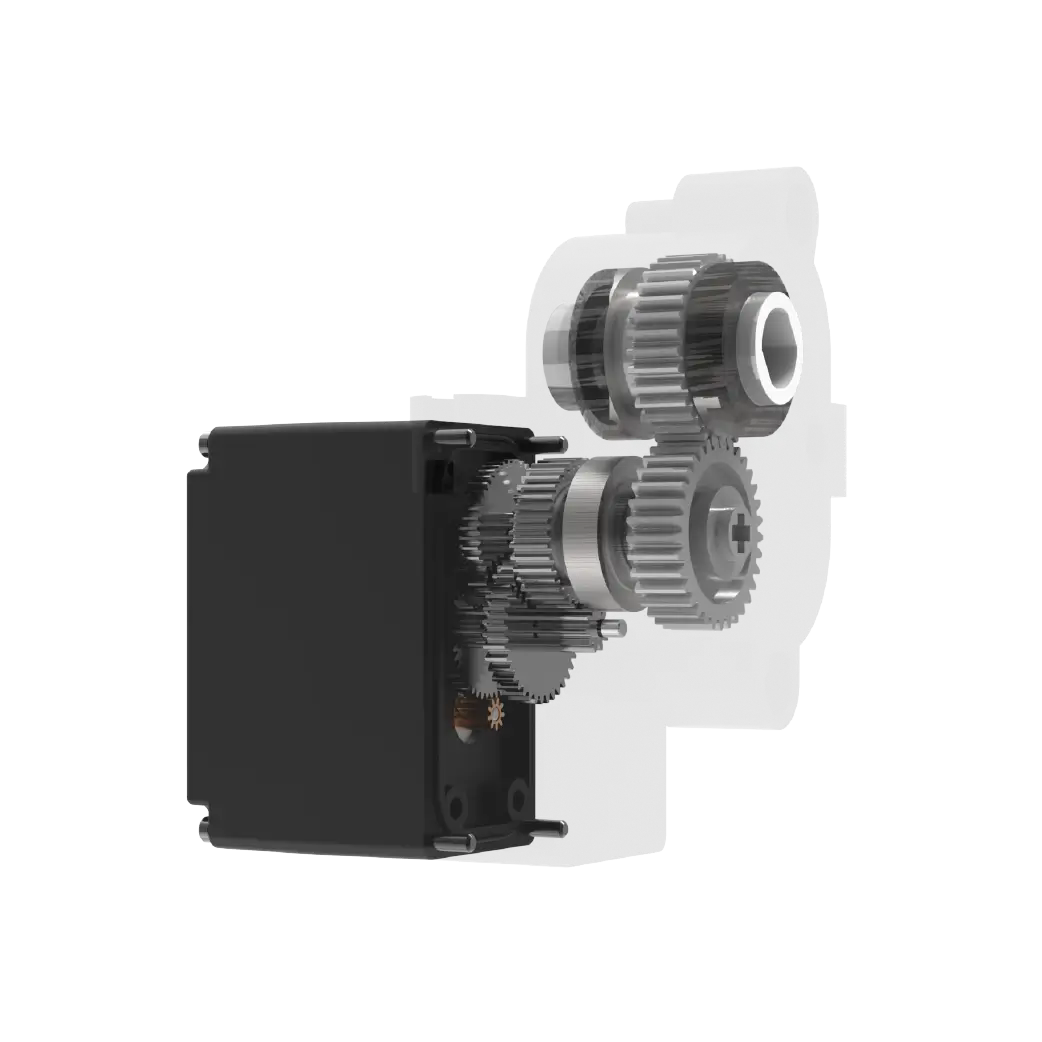
Asub micro servois a compact servo motor typically weighing between 4 and 9 grams, used in applications where space is limited. The gear train inside these servos reduces motor speed and increases output torque. When the gears are made of metal—commonly brass, steel, or titanium—the assembly is referred to as a sub micro servo with metal gears.
Metal gears are not a single type. Variations include:
Brass gears: Common in mid-range servos, offering a balance between strength and cost.
Steel gears: Harder and more wear-resistant, but heavier.
Titanium gears: Lightweight and strong, but significantly more expensive.

Each material affects torque capacity, gear mesh precision, and long-term wear. For most buyers, the decision comes down to whether the application justifies the added cost and weight.
2. Why Gear Material Matters in Small Servos
The gear train is the mechanical link between the motor and the output shaft. In sub micro servos, the gears are small—often less than 8 mm in diameter—and must transmit force under repeated load cycles.
Plastic gears fail primarily due to:
Tooth strippingunder sudden load changes
Wearfrom continuous operation, leading to backlash and reduced accuracy
Temperature sensitivity, causing deformation in hot environments
Metal gears address these failure modes directly. A brass or steel gear can withstand higher peak loads without deforming. This is critical in applications where the servo experiences shock loads, such as in RC aircraft control surfaces or robotic grippers.
The consequence of ignoring gear material is not just a broken servo. It is a failed test run, a delayed project delivery, or an unexpected maintenance cost. For production environments, these failures compound quickly.
3. Key Differences: Metal vs. Plastic Gears
The table below summarizes the practical differences between metal and plastic gears in sub micro servos.
For buyers comparing two servos with similar torque ratings, the gear material often determines real-world reliability. A plastic-gear servo may meet static torque specs, but under dynamic loads, metal gears perform more consistently.
4. Common Applications for Metal-Gear Sub Micro Servos
Not every application needs metal gears. But certain use cases make the upgrade worthwhile:
Robotics: Small robotic arms, grippers, and walking robots experience repetitive loads. Plastic gears wear quickly in these cycles.
RC aircraft and helicopters: Control surfaces face aerodynamic forces and sudden gusts. A stripped gear mid-flight causes loss of control.
Camera gimbals: Continuous micro-adjustments require low backlash. Metal gears maintain precision longer.
Automation jigs: In pick-and-place or small assembly stations, downtime for servo replacement is costly.
Educational or research prototypes: Students and engineers testing new mechanisms benefit from consistent performance across repeated tests.
In each case, the common thread is load variation. When the servo encounters unpredictable or repeated stress, metal gears provide a safety margin that plastic gears cannot match.
5. What to Check Before Buying Metal-Gear Servos
Purchasing a metal-gear sub micro servo involves more than just confirming the gear material. The following factors directly affect whether the servo will perform as expected:
Gear material type: Brass, steel, or titanium? Each has trade-offs in strength, weight, and cost.
Number of metal gears: Some servos use a single metal output gear with plastic internal gears. Full metal gear trains offer better durability.
Gear mesh precision: Poorly cut metal gears create noise, vibration, and increased current draw.
Operating voltage: Higher voltage increases torque but also stress on the gear train. Verify voltage compatibility with your system.
Servo dimensions and mounting pattern: Sub micro sizes vary slightly. Confirm the housing fits your bracket or frame.
Buyers should also request documentation on gear specifications if available. Reputable suppliers provide material type, hardness ratings, or gear module information.
6. How Gear Quality Affects Performance and Cost
The relationship between gear quality and servo performance follows a clear chain:
Precise gear cutting → lower friction → less heat generation → higher efficiency → longer runtime per battery charge
Conversely:
Poor gear quality → higher backlash → position error → reduced accuracy in closed-loop systems
For cost calculation, consider not just the servo price but the total cost of ownership:
Replacement frequency
Labor time for swapping servos
Downtime cost per incident
Potential damage to connected components (eg, broken linkages from jammed gears)
In many cases, a metal-gear servo priced at $18 replaces three $8 plastic-gear servos over the same period. The total cost favors metal gears when maintenance labor and downtime are factored in.
7. Questions Buyers Often Ask About Sub Micro Servo Metal Gears
Q: Are all metal gears in sub micro servos the same quality?
No. Brass, steel, and titanium gears differ in hardness and wear resistance. Even within the same material, manufacturing precision varies between suppliers.
Q: Will metal gears make my servo heavier?
Yes, typically by 1 to 3 grams compared to a plastic-gear version. For weight-sensitive applications like micro drones, this difference may matter.
Q: Do metal gears require lubrication?
Most metal-gear servos come pre-lubricated. Over time, reapplication of a light grease may be needed, especially in high-cycle applications.
Q: Can I replace plastic gears with metal gears in an existing servo?
Sometimes, but not always. Gear dimensions and shaft interfaces must match exactly. It is usually more reliable to buy a servo designed for metal gears.
Q: Do metal gears make the servo louder?
Yes, metal gears typically produce more audible noise than plastic gears, especially under load. This is a normal characteristic of metal-on-metal contact.
Q: Are metal-gear servos always better for RC cars?
For most RC cars, yes. The higher torque and shock resistance reduce the chance of gear damage during landings or collisions.
Q: What is the typical lifespan of a metal-gear sub micro servo?
It varies by load and duty cycle, but many users report 2–5 times longer life compared to plastic-gear versions under similar conditions.
Q: Should I choose metal gears for a beginner project?
If the project involves light loads and low risk of crashes, plastic gears are acceptable. For learning about durability and maintenance, metal gears offer a better long-term experience.
8. Choosing the Right Sub Micro Servo for Your Application
Selecting the correctsub micro servo metal gearsstarts with understanding your load profile. If your application involves constant, predictable, low-force motion, plastic gears may suffice. If you face shock loads, continuous operation, or precision requirements, metal gears are the more reliable investment.
Start by listing your key constraints: allowable weight, torque requirement, operating voltage, and budget. Then compare servos that match those parameters, checking gear material, gear count, and supplier documentation.
For buyers evaluating multiple options, consider requesting a sample unit for testing under actual operating conditions. A short test run—200 cycles under load—reveals more than any datasheet about gear quality and long-term performance.
If you are currently selecting or replacing a servo for a new design,send your specificationsto the supplier for an engineering review. A qualified supplier can recommend the appropriate gear material and servo model based on your torque profile and duty cycle.
Update Time:2026-07-03

Contact Kpower's product specialist to recommend suitable motor or gearbox for your product.


