



























TECHNICAL SUPPORT


Published 2026-07-08
Quick Answer
Aservosteering system converts a control signal into precise angular movement using a motor, a feedback mechanism, and a controller. The animation of this process shows how theservomotor rotates the output shaft to a specific angle, holds it under load, and adjusts based on feedback. This makes it essential for applications requiring accurate positioning, such as robotics, CNC machinery, and automated guided vehicles. However, not allservosteering animations reflect real-world constraints like torque limits, response delay, or environmental factors. Understanding what the animation actually represents helps you avoid misinterpreting performance specifications when evaluatingservo motor selectionfor your equipment.
Introduction
Every automated production line or system depends on one thing: repeatable, accurate motion. When a robotic arm misses its target by a few degrees, parts get scrapped. When a conveyor diverter hesitates, throughput drops. Engineers and procurement managers often turn to animated diagrams of servo steering to understand how these systems move. But an animation that shows perfect motion on screen rarely accounts for real-world variables—load inertia, temperature drift, or signal noise. in theory but fails under actual operating conditions. This article breaks down what servo steering animations actually tell you, what they leave out, and how to use that knowledge to make a better purchasing decision.
Table of Contents
What a Servo Steering Animation Actually Shows
Key Components Behind the Movement
What the Animation Doesn't Tell You
How to Compare Servo Steering Performance
Common Questions About Servo Steering Motion
Choosing the Right Servo for Your Application
What a Servo Steering Animation Actually Shows
A typical servo steering animation demonstrates the relationship between the input signal and the output shaft position. You see a motor spinning, a gear train turning, and the output arm moving to a target angle. The animation often highlights feedback loops—sensors measuring position, the controller comparing actual vs. desired angle, and corrections applied in real time.
What this visualizes is the closed-loop control principle. Unlike an open-loop stepper motor, a servo system continuously checks its actual position and adjusts to eliminate error. This is whyservo motorsare preferred in applications where maintaining exact position under variable load is critical.
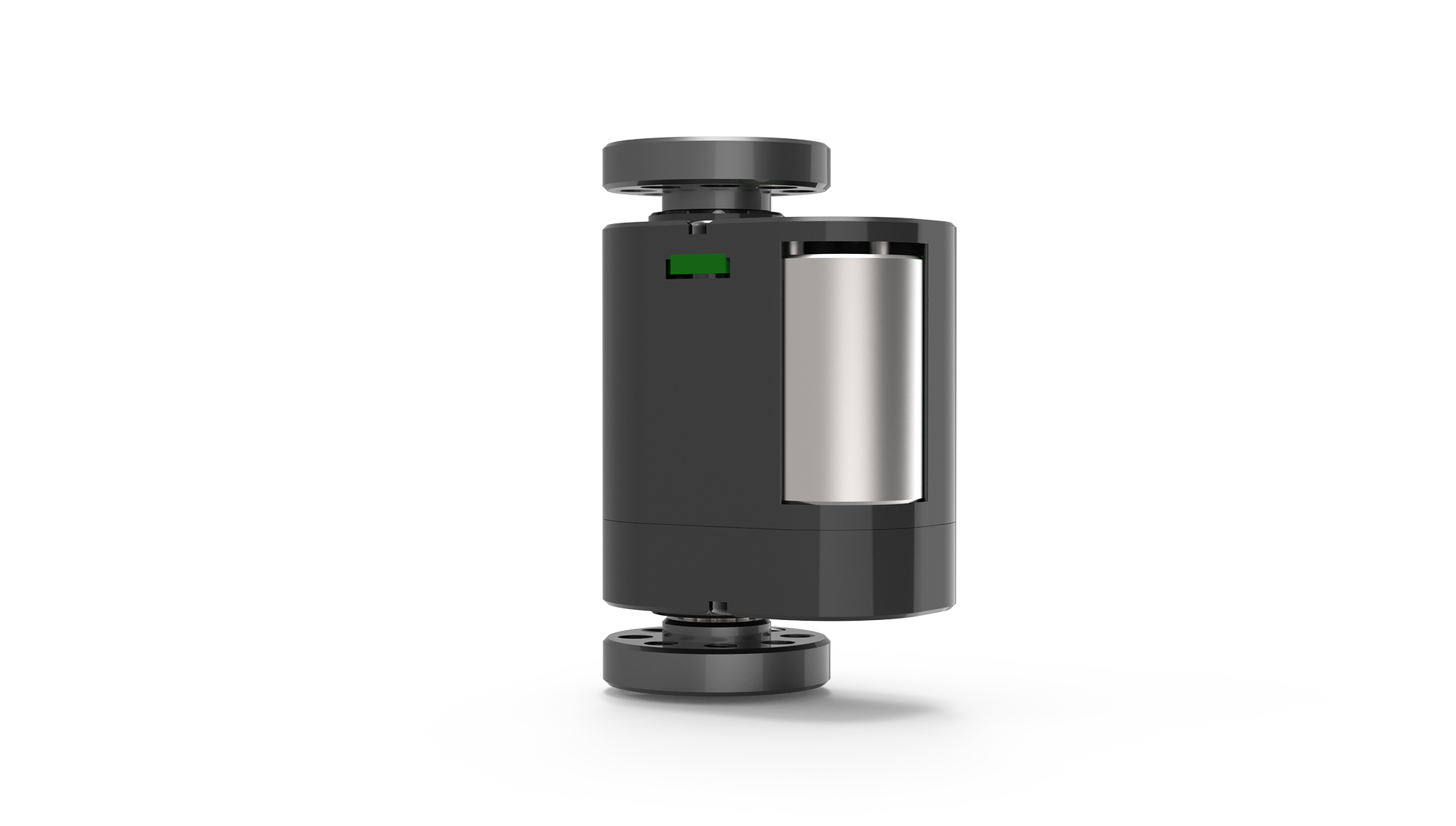
But the animation simplifies several things. It rarely shows acceleration profiles, settling time, or how the system behaves when the load changes mid-motion. It also omits how the controller handles electrical noise or voltage fluctuations. For a buyer evaluating motion control components, recognizing these omissions is as important as understanding the basic principle.
Key Components Behind the Movement
To interpret a servo steering animation correctly, you need to know what each part does in real hardware.
Motor:Provides the torque to move the load. In most industrial servos, this is a brushless DC motor designed for high acceleration and low inertia.
Encoder or Resolver:Measures the actual position of the output shaft. Resolution matters—higher counts per revolution allow finer positioning.
Controller:Compares the target position with the feedback signal. It calculates error and sends correction commands to the driver.
Driver/Amplifier:Converts low-power control signals into high-power current that drives the motor.
Gearbox (optional):Reduces speed and increases torque. Many servo animations skip the gearbox, but in real applications, it significantly affectstorque outputandbacklash .
When evaluating a supplier, ask for the encoder resolution, controller update rate, and gearbox backlash specifications. These numbers determine whether the animated motion translates to real precision in your setup.
What the Animation Doesn't Tell You
A servo steering animation is a teaching tool, not a performance guarantee. Here is what it typically omits:
Settling time:How long the system takes to stop oscillating after reaching the target position. This matters in high-speed pick-and-place operations.
Torque ripple:Variations in torque as the motor rotates. High ripple can cause vibration and positioning errors at low speeds.
Cogging:Magnetic resistance that makes the motor hesitate at certain positions. Some animations assume perfectly smooth rotation.
Thermal effects:Motor and driver heat up during continuous operation, which can change resistance and reduce torque. An animation never accounts for this.
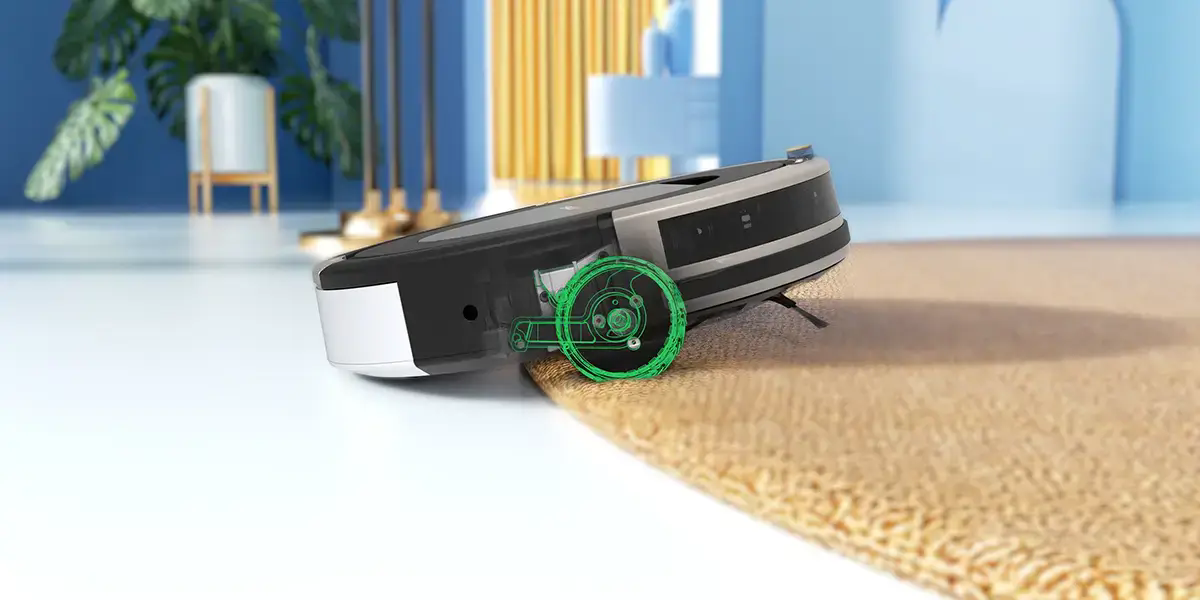
Cable management:Real systems have cables that flex, resist, and eventually wear. Animations do not show cable fatigue or its impact on reliability.
For a procurement manager, the takeaway is clear: never select a servo based solely on an animation or datasheet diagram. Always requestmotion control specificationsunder load, including dynamic response data and thermal limits.
How to Compare Servo Steering Performance
When comparing two servo systems that both look good in animation, use a structured comparison table. Focus on parameters that affect your actual application.
Use this table to compare quotes. If a supplier cannot provide settling time or torque ripple data, treat that as a red flag. Aservo motor specification sheetshould list these values. If it does not, ask for them in writing.
Common Questions About Servo Steering Motion
Q: Does a servo steering animation show real speed and acceleration?
No. Most animations are not time-accurate. They illustrate the concept of position control, not actual velocity profiles. Always check the datasheet for maximum speed and acceleration rates.
Q: Can I judge positioning accuracy from an animation?
No. Accuracy depends on encoder resolution, controller tuning, and mechanical rigidity. An animation cannot simulate these variables. Request a repeatability test report from the manufacturer.
Q: Why does my servo sometimes overshoot the target?
Overshoot happens when the controller gains are too high or when the load inertia exceeds the motor's tuning range. An animation does not show tuning adjustments. Work with your supplier to set correct PID parameters.
Q: How does load affect the motion shown in an animation?
Significantly. An animation typically assumes no load or a constant light load. In reality, changing loads alter acceleration, settling time, and power consumption. Always specify your actual load characteristics when requesting a quote.
Q: Is a servo with more encoder counts always better?
Not always. Higher resolution improves precision but increases data processing time and cost. For many industrial applications, 17-bit or 20-bit encoders provide sufficient accuracy. Match resolution to your required tolerance, not to the maximum available.
Q: What is the most common mistake buyers make when viewing servo animations?
Assuming that the smooth motion shown will repeat under real production conditions. Always verify with load testing or application-specific simulation data from the manufacturer.
Q: Can I use the same servo for steering and lifting?
Unlikely. Steering applications typically require high torque at low speed, while lifting demands high speed and holding torque. Confirm both duty cycle and torque requirements for your specific axis.
Q: How do I know if a servo supplier is credible?
Ask for documented test data, reference installations, and technical support availability. A credible supplier will providecustom servo solutionsbased on your application parameters, not just a catalog part.
Choosing the Right Servo for Your Application
Understanding a servo steering animation is the first step, but real-world selection requires deeper evaluation. Start by defining your load—mass, inertia, friction, and required acceleration. Then determine the duty cycle: how many moves per minute, at what angle, with what dwell time.
Next, compare suppliers on technical support, documentation quality, and willingness to share test data. Avoid suppliers who only offer a datasheet and an animation. Look for those who ask about your application details, recommend tuning strategies, and providemotion control applicationsguidance.
Finally, consider total cost of ownership. A lower-priced servo may lack the encoder resolution, thermal margin, or build quality needed for long-term reliability. Factor in potential downtime, replacement cost, and maintenance labor.
If you are evaluating a new motion control system, send your load parameters and operating conditions tokpowerservofor an application review. Their engineering team can confirm compatibility, recommend the correct motor and driver pairing, and provide the performance data that animations leave out.
Update Time:2026-07-08

Contact Kpower's product specialist to recommend suitable motor or gearbox for your product.


