



























TECHNICAL SUPPORT


Published 2026-07-10
Quick Answer
A standard industrialservomotor typically costs between $300 and $2,500 per unit, depending on power rating, feedback type, and brand. Low-power DCservomotors for light automation may start around $100, while high-torque ACservosystems with drives can exceed $4,000. The total cost is not just the motor itself; you must factor in the servo drive, cables, connectors, and programming time. For most procurement decisions, the per-axis budget for a complete servo system ranges from $800 to $3,500. Prices vary significantly by application, so always request a quote based on your specific torque, speed, and environmental requirements.
Introduction
A production line stops. A packaging machine loses position mid-cycle. A robotic arm develops a persistent vibration. When these failures happen, the first question is always the same: how much will it cost to replace the servo motor? But the real cost is rarely just the motor price tag. Buyers who only compare motor prices often overlook the drive, feedback cable, setup labor, and compatibility testing. These hidden costs can double the budget. Worse, choosing the cheapest option frequently leads to repeat failures within months. Understanding what drives servo motor pricing helps you avoid these expensive cycles.
Table of Contents
1. What Determines Servo Motor Price
2. Price Range by Motor Type
3. Why Total System Cost Matters More
4. Key Specifications That Affect Price
5. Common Pricing Mistakes Buyers Make
6. How to Compare Quotes Effectively
7. Questions Buyers Often Ask About Servo Motor Pricing
8. Choosing the Right Servo Motor for Your Budget
What Determines Servo Motor Price
Servo motor pricing is not arbitrary. Several engineering and supply chain factors directly influence the final number on a quote.
Power and torque ratingis the primary driver. A 100W servo motor costs far less than a 3kW unit because the materials, copper windings, magnetic core, and heat dissipation requirements scale up. Higher torque density designs require better magnets and tighter manufacturing tolerances.
Feedback device typesignificantly changes cost. A standard incremental encoder adds modest expense, but an absolute encoder with battery backup or a high-resolution resolver can increase motor price by 30% to 50%. Multi-turn absolute encoders, often required for safety-critical applications, command the highest premium.
Brand and manufacturing origincreate wide price gaps. Established European and Japanese brands typically cost 40% to 70% more than equivalent Chinese or Taiwanese brands. The difference often reflects testing standards, certification costs, and after-sales support infrastructure, not just component quality.
Customization requirementspush prices higher. Special shaft dimensions, different connector types, IP65 or IP67 environmental protection, holding brakes, and custom cable lengths each add cost. A standard catalog unit can become a special order with a 20% to 100% price increase depending on the modifications.
Order quantityalso matters. Single-unit purchases carry the highest per-unit price. Volume orders of 50 to 200 units often receive 15% to 30% discounts. However, large quantity discounts may require lead times of 8 to 16 weeks.
Price Range by Motor Type

Different servo motor types serve different applications, and their prices reflect those design priorities.
Low-power DC servo motors(50W to 400W) typically range from $100 to $600. These are common in small pick-and-place units, laboratory equipment, and light conveyor systems. They often use simpler feedback and lower-grade magnets.
Medium-power AC servo motors(500W to 3kW) are the most widely purchased. Prices range from $400 to $1,800 for the motor alone. When paired with a compatible servo drive, the system cost typically lands between $800 and $2,500 per axis. This range covers most packaging, material handling, and general automation applications.
High-power servo motors(3kW to 15kW) cost $1,500 to $4,500 or more. These are used in heavy machining, large printing presses, and high-torque robotic joints. They require larger drives, thicker cables, and often forced cooling, all of which increase total system cost.
Specialty servo motorsfor explosion-proof environments, food-grade washdown, or vacuum applications typically start at $2,000 and can exceed $6,000. These units require specific material certifications, special seals, and documented testing.
Why Total System Cost Matters More
Focusing only on the motor price is a common procurement mistake. A servo motor cannot operate without a compatibleservo drive, and the drive often costs as much as or more than the motor.
A typical servo system includes:
Servo motor
Servo drive (amplifier)
Feedback cable
Power cable
Connectors and mating components
Mounting hardware
Software or tuning setup
Shipping and potential import duties
For a medium-power axis, the motor might represent only 40% to 50% of the total component cost. The drive adds another 30% to 40%, and cables, connectors, and setup labor make up the remainder.
When replacing an existing servo motor, compatibility becomes critical. Using a different motor brand than the existing drive may require rewiring, parameter reconfiguration, and full tuning. These engineering hours add $500 to $2,000 to a replacement project.
Key Specifications That Affect Price
When evaluating quotes, pay attention to these specifications. They directly impact both price and performance.
Rated torque and peak torquedefine what the motor can do. A motor with higher peak torque capacity often costs more but allows for smaller motor selection in high-start applications. Understand your actual load profile before comparing torque values.
Rated speedaffects motor design. Standard servo motors operate at 3000 or 4500 RPM. Higher speed motors require better bearings and dynamic balancing, increasing cost by 10% to 20%.
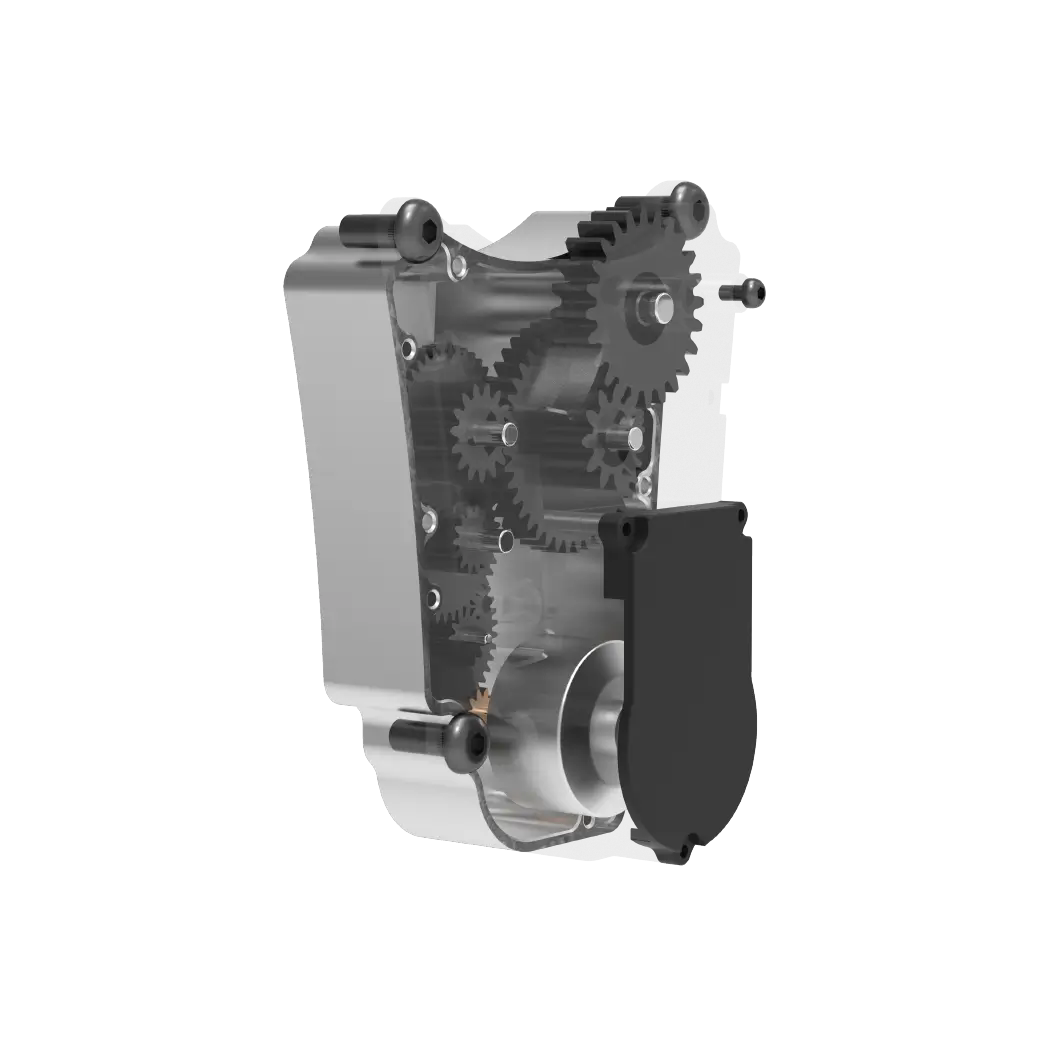
Rotor inertiamatters for dynamic performance. Low-inertia motors accelerate faster but cost more to manufacture. They are preferred for high-speed positioning. High-inertia motors are cheaper but slower to respond.
Feedback resolutiondirectly correlates to accuracy. A 17-bit absolute encoder provides finer position control than a 13-bit incremental encoder. The higher resolution encoder alone can add $100 to $300 to motor cost.
Ingress protection ratingaffects environmental suitability. A standard IP20 motor is cheaper but cannot handle washdown environments. An IP67 motor costs 25% to 40% more but lasts significantly longer in wet or dusty conditions.
Common Pricing Mistakes Buyers Make
Comparing motor prices without drive compatibility.Two motors may look similar on paper but require different drive models. The drive cost difference can negate any motor price advantage.
Ignoring cable and connector costs.OEM cables from some servo brands cost $100 to $400 per cable assembly. Third-party alternatives exist but may void warranty or degrade signal integrity.
Choosing based on power rating alone.A 1kW motor from one brand may have significantly different torque at low speed than a 1kW motor from another brand. Compare torque curves, not just power numbers.
Assuming all servo motors are interchangeable.Physical mounting dimensions, shaft keyway size, flange patterns, and electrical connector types vary by brand. Retrofit projects often require adapter plates and custom cables, adding significant cost.
Not factoring in tuning and commissioning time.A plug-and-play servo system costs more upfront but saves hours of setup time. Budget systems may require extensive parameter adjustment, especially when integrating with existing PLCs or motion controllers.
How to Compare Quotes Effectively
Use a structured comparison method when evaluating servo motor suppliers.
Request a complete system quote.Ask for motor, drive, cables, connectors, and any software licensing fees in one line item. This prevents surprise costs later.
Verify warranty terms and return policy.Standard warranties range from 12 to 36 months. Some brands prorate warranty coverage, while others offer full replacement. Clarify this before ordering.
Ask about technical support.Free phone or email support during commissioning is common with premium brands. Budget brands may charge for engineering assistance or lack local support entirely.
Check lead time for replacements.A cheaper motor with a 12-week lead time costs more in downtime than a slightly more expensive motor available in 2 weeks. Delivery reliability is a real cost factor.
Evaluate total cost of ownership, not purchase price.A motor that uses 5% less energy may pay back the price difference within two years of continuous operation. A motor that fails after 18 months costs much more than one lasting five years.
Questions Buyers Often Ask About Servo Motor Pricing
Q: Why do servo motors cost so much more than standard AC motors?
Servo motors include high-resolution feedback devices, precision bearings, optimized magnetic designs, and tighter manufacturing tolerances. They are built for precise position and speed control, unlike standard induction motors designed for constant speed.
Q: Can I use a used or refurbished servo motor to save money?
Yes, but verify the feedback device condition, bearing wear, and cable integrity. Refurbished motors typically cost 40% to 60% less than new but may have limited warranty and unknown operating history.
Q: Does a higher price always mean better quality?
Not always, but in many cases it reflects more rigorous testing, better materials, and longer warranty coverage. Compare specifications, not just price. Some mid-range brands offer excellent reliability at 30% lower cost than premium brands.
Q: How much should I budget for a complete servo system per axis?
For a typical 750W to 1.5kW axis, budget $1,200 to $2,800 for motor, drive, and cables. Higher torque or specialty requirements push this to $3,500 or more.
Q: Are Chinese servo motors reliable?
Many Chinese servo brands have improved significantly in recent years. Reliability depends on the specific manufacturer and quality control processes. Request reference installations and verify warranty terms before purchasing.
Q: What is the most common hidden cost in servo procurement?
Cables and connectors. OEM feedback cables can cost $150 to $400 each. Custom cable lengths add further cost. Always request cable pricing in your initial quote.
Q: How does the feedback type affect price?
Incremental encoders add minimal cost. Absolute encoders, especially multi-turn types, add $100 to $300. Resolvers, used in harsh environments, cost more but offer better durability.
Q: Should I buy a servo motor with an integrated drive?
Integrated servo motors simplify wiring and save cabinet space. They cost 10% to 20% more than separate components but reduce installation labor and troubleshooting time.
Q: Can I negotiate servo motor pricing for a single unit?
Single-unit pricing is usually fixed, especially from authorized distributors. Volume orders of 10 or more units often allow negotiation. Asking for a better price on one unit is rarely successful.
Q: How do I know if a servo motor price quote is fair?
Compare the per-axis system cost against three or four suppliers for the same torque, speed, feedback type, and IP rating. Price differences beyond 20% usually indicate different specification levels or brand positioning.
Choosing the Right Servo Motor for Your Budget
The best servo motor for your application is rarely the cheapest or the most expensive. It is the one that matches your torque and speed requirements, fits within your existing control architecture, and comes from a supplier with reliable delivery and support.
Start by defining your load profile, environmental conditions, and required feedback precision. Then request quotes for the complete system, not just the motor. Compare total cost of ownership, including expected lifespan, energy consumption, and potential downtime costs.
If your application demands high precision and long-term reliability, investing in a reputable brand with a 36-month warranty and local technical support is justified. For simple speed control applications with low duty cycles, a mid-range servo motor from a reliable distributor may be a smarter financial choice.
When you are ready to evaluate specific options, send your torque and speed requirements, operating environment details, and preferred feedback type tokpowerservoor another qualified supplier. A detailed comparison of motor specifications and system pricing will help you make a confident, cost-effective decision.
Update Time:2026-07-10
Contact Kpower's product specialist to recommend suitable motor or gearbox for your product.


