



























TECHNICAL SUPPORT


Published 2026-10-01
Quick Answer
When selecting aDJI camera for drone, look past megapixels. The five specs that actually shape your final footage are sensor size, gimbalservoprecision, lens format, video codec, and low-light ISO behavior. A 1-inch sensor typically handles dusk and indoor scenes far better than a 1/2.3-inch sensor. Verify which lens options your use case demands before comparing models. Firmware updates may change available codecs, so check the latest release before finalizing a purchase.
Introduction
You pull up DJI's spec sheet and see 8K, 48MP, 10-bit. Every model seems impressive on paper. But on the job site, a 4K clip shot at ISO 3200 with a weak gimbal motor will look worse than a 4K frame captured at ISO 200 on a stable platform. Resolution is only one variable. The rest of the system — sensor physics, mechanical stabilization, lens glass, and codec decisions — determines whether your footage is usable or reshoot material.
Table of Contents
1. Why Megapixels Mislead
2. Sensor Size and Low-Light Reality
3. Gimbal andservoMotorPrecision
4. Lens Format and Codec Choices
5. Five-Spec Comparison at a Glance
6. Practical Questions Before You Order
7. Finding the Right Fit for Your Workflow
Why Megapixels Mislead
More pixels sound like better photos, but pixel density on a small sensor increases noise at any ISO above 800. In many aerial photography situations, a 20-megapixel 1-inch sensor produces cleaner files than a 48-megapixel 1/1.3-inch sensor under the same lighting. Check the native ISO range and crop factor before comparing resolution numbers. A higher megapixel count only helps if you plan to do heavy cropping or print at large sizes.
Sensor Size and Low-Light Reality
Sensor area dictates how much light hits each photosite. A 1-inch sensor captures roughly four times the light of a 1/2.3-inch sensor, which translates to fewer visible noise artifacts in shadow areas. If your drone work includes dawn flights, forest canopies, or indoor industrial inspections, sensor size becomes the dominant variable. Look for the native ISO ceiling in the specs: a sensor that handles ISO 3200 with manageable noise will save you from shooting in harsh midday light to compensate. Cross-reference this with the gimbal's minimum shutter speed at your altitude.
Gimbal andservoMotor Precision
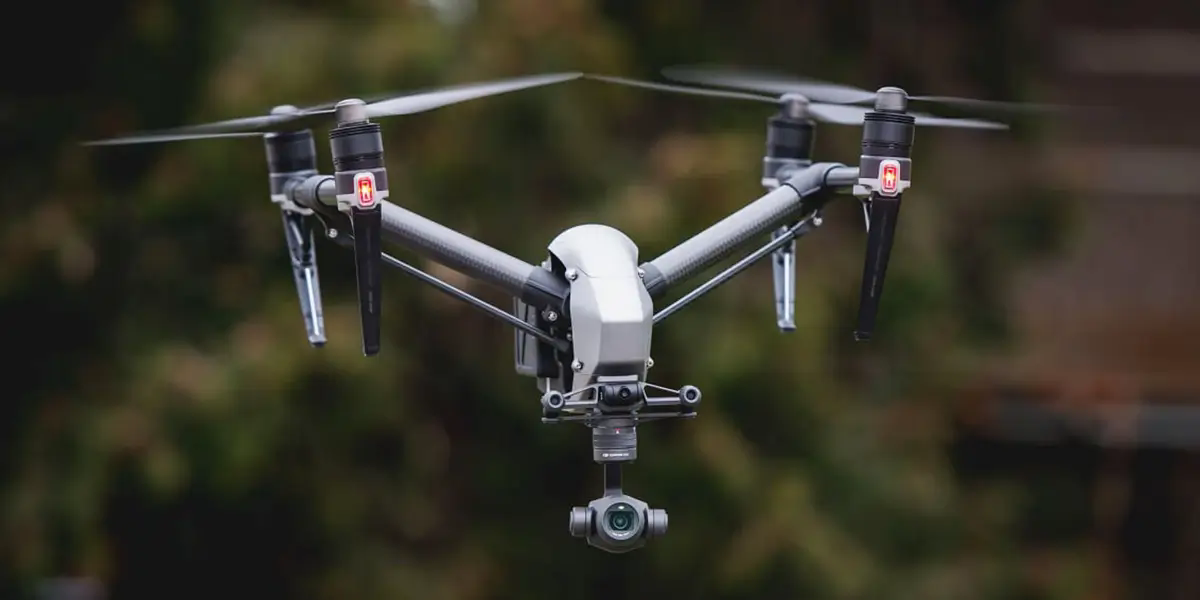
The camera is only as good as the platform holding it. DJI gimbals rely on three-axisservo motorsthat correct for pitch, roll, and yaw in real time. A motor with tight position feedback reduces micro-jitter, especially above 15 m/s flight speed. If you notice soft edges on otherwise sharp frames, the issue often traces back to gimbal servo tolerance rather than the lens. When evaluating a drone, ask the supplier for the gimbal's rated stabilization error at top speed. A lower number means cleaner long-exposure and video work. This is where motion-control engineering directly affects image quality.
Lens Format and Codec Choices
Fixed-lens drones limit your framing, but newer DJI models add a 2× or 4× optical zoom. Optical zoom preserves resolution; digital crop does not. On the codec side, H.265 (HEVC) at 10-bit reduces file size by roughly 40 percent compared to H.264 at 8-bit, giving you more headroom in post. Confirm whether your edit pipeline supports the codec before committing. Some older editing stations handle H.265 poorly, which adds render time or forces transcoding.
Five-Spec Comparison at a Glance
Practical Questions Before You Order
Q: Which DJI drone camera suits real estate and architecture work?
A: Prioritize a wide-angle fixed lens with at least 20 MP and strong HDR. A 1-inch sensor helps with dynamic range between sky and ground. Verify the gimbal supports tilt for vertical shots.
Q: Can I swap the camera lens on a DJI drone?
A: No. DJI drone cameras use fixed optical assemblies. Lens options vary by model (wide, zoom, thermal). Choose the configuration at purchase rather than expecting modular upgrades later.
Q: Does a higher resolution model always look better in video?
A: Not necessarily. A 4K clip at ISO 100 on a 1-inch sensor will typically look cleaner than an 8K clip at ISO 3200 on a smaller sensor. Codec and stabilization matter more than raw pixel count.
Q: How do I tell if the gimbal is introducing softness?
A: Shoot a static target at your highest flight speed. If edges appear slightly smeared while the sky stays sharp, the gimbal servo is the likely cause. Check the rated stabilization error spec and flight-log data.
Q: Is the 10-bit codec upgrade worth it for most buyers?
A: If you plan color grading or work in varied lighting, 10-bit HEVC gives more tonal data and smaller files. For simple social-media clips, 8-bit H.264 is sufficient and easier to edit.
Finding the Right Fit for Your Workflow
No single DJI drone camera covers every scenario. Match the sensor, gimbal, and lens to the lighting and framing demands of your actual job, not the headline resolution number. If your work leans into low-light or long-exposure video, sensor area and gimbal servo precision will matter more than pixel count. If framing flexibility drives your project, an optical zoom module changes what you can compose without flying closer. Send your typical shooting conditions, flight speed range, and post-production pipeline to akpowerservoapplication engineer for a quick fit review. That ten-minute conversation often prevents buying a model that looks perfect on paper but underdelivers on the ground.
Update Time:2026-10-01

Contact Kpower's product specialist to recommend suitable motor or gearbox for your product.


