



























TECHNICAL SUPPORT


Published 2026-10-03
Quick Answer
Abrushless motor driver boardis the control interface between your power supply and a BLDC motor, managing phase commutation, speed, and torque. The core decision points are voltage rating, continuous current capacity, and control protocol (analog,PWM, CAN, or DSP). Mismatching these parameters is the most common cause of thermal failure and shortened motor life. Before ordering, verify the board's continuous current against your motor's rated figure, confirm the control signal matches your application architecture, and check whether the board includes overcurrent or overtemperature protection built in.
Introduction
A mismatchedbrushless motor driver boardwill quietly overheat, clip torque at peak load, and kill the motor before it reaches end-of-life. In many production environments the failure starts not at the motor but at the driver—the board selected for unit cost rather than thermal headroom. What follows walks through the specific parameters that prevent that failure, so you can match the board to your actual operating envelope instead of a datasheet nominal value.
How a BLDC Driver Board Works
At its core, the driver converts DC input into three-phase AC waveforms that energize the stator windings in the correct sequence. It reads rotor position viahall sensorsor back-EMF detection, then switches the inverter bridge accordingly. The control layer—whether a simple analog speed input, a PWM signal, or aCAN buscommand—sets target speed and torque. Internally, gate drivers push current through the FETs while firmware or hardware logic manages current limiting, phase alignment, and fault handling. Two design philosophies dominate: sensor-based boards, which need three hall-effect sensors on the motor for precise low-speed torque, and sensorless boards, which estimate rotor position from back-EMF and eliminate that wiring. Sensorless saves hardware cost but can struggle below roughly 200 RPM.
Key Specifications That Determine Fit
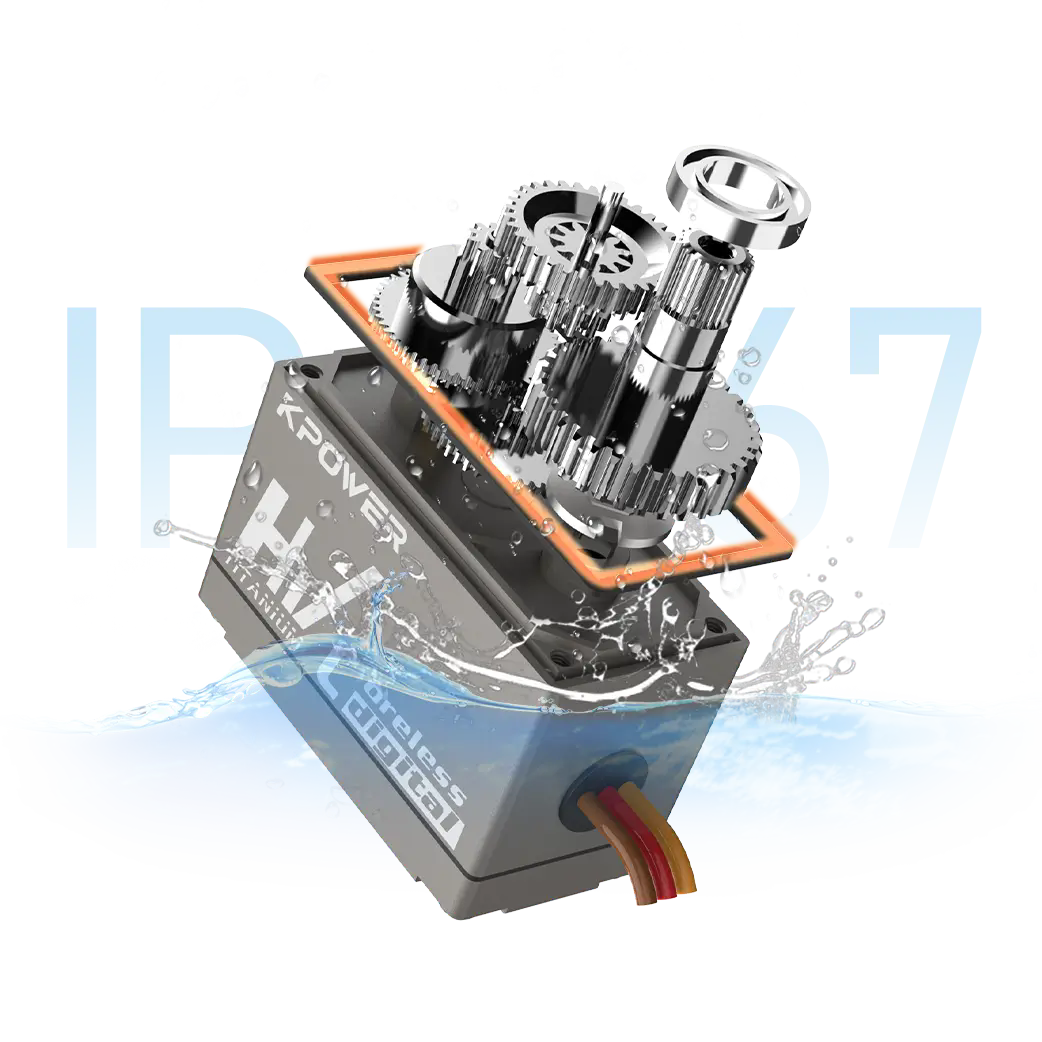
These are the numbers that decide whether a board will run your motor reliably:
Continuous current ratingmust exceed your motor's rated current with at least 20% thermal margin.
Supply voltage rangeshould cover your battery or DC bus, including sag under load.
Control protocol: analog (0–5 V speed), PWM (frequency and duty), CAN bus (networked multi-axis), or DSP-based field-oriented control.
Peak-to-continuous current ratio: acceleration and stall scenarios demand peak current; verify the board's derating curve.
Protection features: overcurrent, overtemperature, undervoltage, and open-phase detection.
Cooling method: passive aluminum-substrate boards suit continuous loads; active or heatsink-mounted boards handle higher duty cycles.
Common Mistakes That Shorten Board Life
Three failure patterns recur in the field. First, undersizing current: a board rated at 10 A continuously driving a motor that pulls 12 A under sustained load will thermal-throttle, clip torque, and eventually fail the FETs. Second, ignoring inductance and electrical angle: if the motor's phase alignment is off from the driver's calibration, you get vibration, noise, and reduced efficiency. Third, running a sensorless board below its minimum speed threshold without verifying the start-up strategy. Each of these is preventable with a ten-minute cross-check of the motor datasheet against board specifications before first power-on.
Questions to Resolve Before Ordering
Can I use one generic BLDC driver for a drone, a pump, and a CNC axis?
Typically no. Drones need fast sensorless control at low inertia. Pumps demand high stall torque and wet-environment protection. CNC axes require closed-loop encoder feedback. Control bandwidth, current profile, and mechanical coupling differ enough that a single board rarely covers all three.
What's the difference between a "driver board" and a "motor controller"?
In many catalogs they overlap. A driver board usually refers to the power stage—FETs, gate drivers, protection. A controller adds the computation layer: PID loops, FOC, or position interpolation. If your application needs torque or position loops, specify a controller, not just a driver.
Should I buy sensorless or sensor-based for a 48 V industrial fan?
For a fan above ~500 RPM, sensorless back-EMF detection is reliable and reduces wiring. Below 300 RPM, or if you need holding torque at zero speed, addhall sensorsand choose a sensor-based board.
How do I verify a board's continuous current rating?
Ask the supplier for the derating curve at your ambient and board temperature. A 30 A rating at 25 °C may drop to 18 A at 70 °C without a heatsink. Confirm the number matches your thermal design before committing.
Finding the Right Match for Your Application
The rightbrushless motor driver boardprotects the motor, holds torque where you need it, and avoids the thermal failures that cascade into production downtime. Before you commit, cross-check current, voltage, control protocol, and protection features against your actual operating envelope. If you are comparing options or need an engineering review of your selection, send your motor spec sheet and duty cycle tokpower servo's application team for a fit confirmation before placing an order.
Update Time:2026-10-03

Contact Kpower's product specialist to recommend suitable motor or gearbox for your product.


