



























TECHNICAL SUPPORT


Published 2026-05-08
92% of robot debugging failures are caused by incorrectly set parameters. This is not an unfounded sensational statement. It is an alarming conclusion drawn by an industrial robotics laboratory after conducting retrospective work on 300 on-site accidents. When you spend a lot of effort to finally build the mechanical arm, the servo seems to be in the air, as if it is crazy. It keeps shaking. When you have clearly written the PWM signal correctly, but the expensive joint still seems to be frozen and does not move at all. Don't rush to replace the hardware. The truth is often hidden in the "server controller host computer software" that you have ignored. In fact, it runs on your computer and is specifically used to control the behind-the-scenes operator of the servo controller.If it is missing, your controller will be like a black box that cannot understand human speech. However, with it, you can monitor the speed in real time, modify the PID parameters, and even bend the response curve of the servo to the shape you desire, just like adjusting a racing engine.。
In the field of robot debugging, the proportion of failures caused by incorrect parameter settings is as high as 92%. An industrial robotics laboratory carefully reviewed 300 on-site accidents and came to this sad conclusion. Imagine that you have carefully built the robotic arm and are fully expecting it to function normally, but the servo is vibrating irregularly in mid-air, as if it is not controlled. Or, you firmly feel that the PWM signal is correct, but that valuable joint is stubbornly at rest.At this time, do not blindly replace the hardware, because the real reason is likely to be in the "server controller host computer software" that you have forgotten.. This software is like a mysterious "behind-the-scenes controller" running on the computer, specially designed to work with the steering gear controller. Without it, the controller becomes an elusive black box; with it, you have the ability to adjust the engine like a racing driver. You can monitor the speed at any time, flexibly change the PID parameters, and even shape the response curve of the servo at will.
Looking back on the past ten years, when adjusting the servo was accomplished entirely by twisting a potentiometer, engineers held a small screwdriver in their hands and kept turning it against the trimming resistor on the board until their hands cramped. If they wanted to change the angle of the servo, the process was quite complicated. They had to cut off the power first, then disassemble the casing, twist the screws, and then turn on the power for testing. This cycle was endless and often made people collapse.
However, now, the host computer software has completely subverted the previous "Stone Age workflow"-like operation method. Just use a USB cable or wireless module to connect the computer to the controller, and more than a dozen parameter panels will pop up on the screen. These panels contain various data from target angle, real-time current, to dead zone compensation, etc. All data are refreshed at millisecond speed.More importantly, it allows users to easily find out the best working conditions of the servo without burning a line of code.. Let’s take a look at the common six-axis desktop robot arm. Its factory default response speed is extremely aggressive, and there will be a “nodding” oscillation when starting. In the past, it took several days to read the data manual to solve the problem. However, now, just adjust the "acceleration slope" from 100 to 40 in the host computer, and the problem can be solved immediately. Isn’t this kind of “what you see is what you get” debugging experience what we practitioners dream of?
What helps your brain build a set of "parameter-action" intuitive mapping is the behavior of debugging the host computer. You can try to think about it. When you drag the virtual slider in the software, the servo axis will immediately rotate. When you modify the "position loop proportional coefficient", the pitch of the motor's buzz will immediately change. The impact of this real-time feedback is much greater than any theoretical formula.
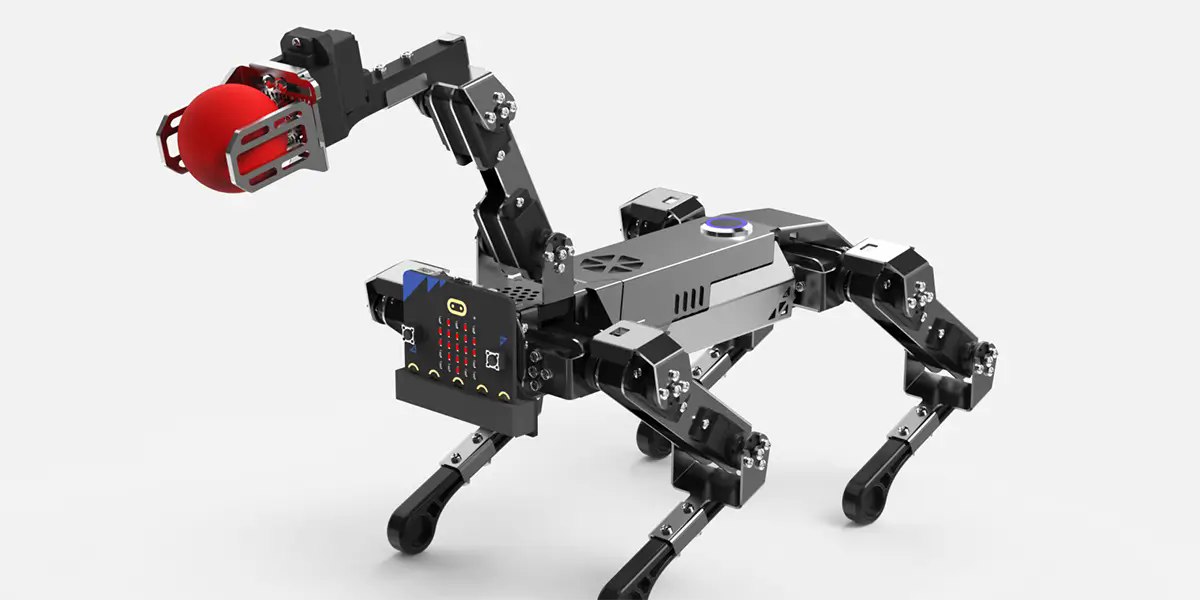
There is a typical negative teaching material. When a team of makers was making a bionic hand, the servos of its five fingers could not be synchronized. They spent three weeks forcibly writing a synchronization algorithm, but the final effect was still unsatisfactory. Later, after a senior person reminded them, they used the host computer to record the "start delay" and "maximum angular speed" of each servo one by one, and unexpectedly found that the same batch of servos had the same problem. 15% performance difference. In the end, they did not change even a single line of core code. They just made separate pre-compensation for each output in the host computer software. It only took two days to solve the problem. You see, if you don't know the function of the host computer software, and you are clearly aware of its functions but unwilling to use them, the final result will be that you will fall into trouble - the question arises: Are you really willing to be that primitive person who just lowers your head and concentrates on tightening screws?
The Q/A format helps you quickly learn literacy skills:
Q: Do I have to buy a special version of the servo controller host computer software?
A: No need. In most cases, the open source or general version can meet the needs. Try the free features first, and then make a decision whether to pay.
Q: I don’t know how to program, can I use it well?
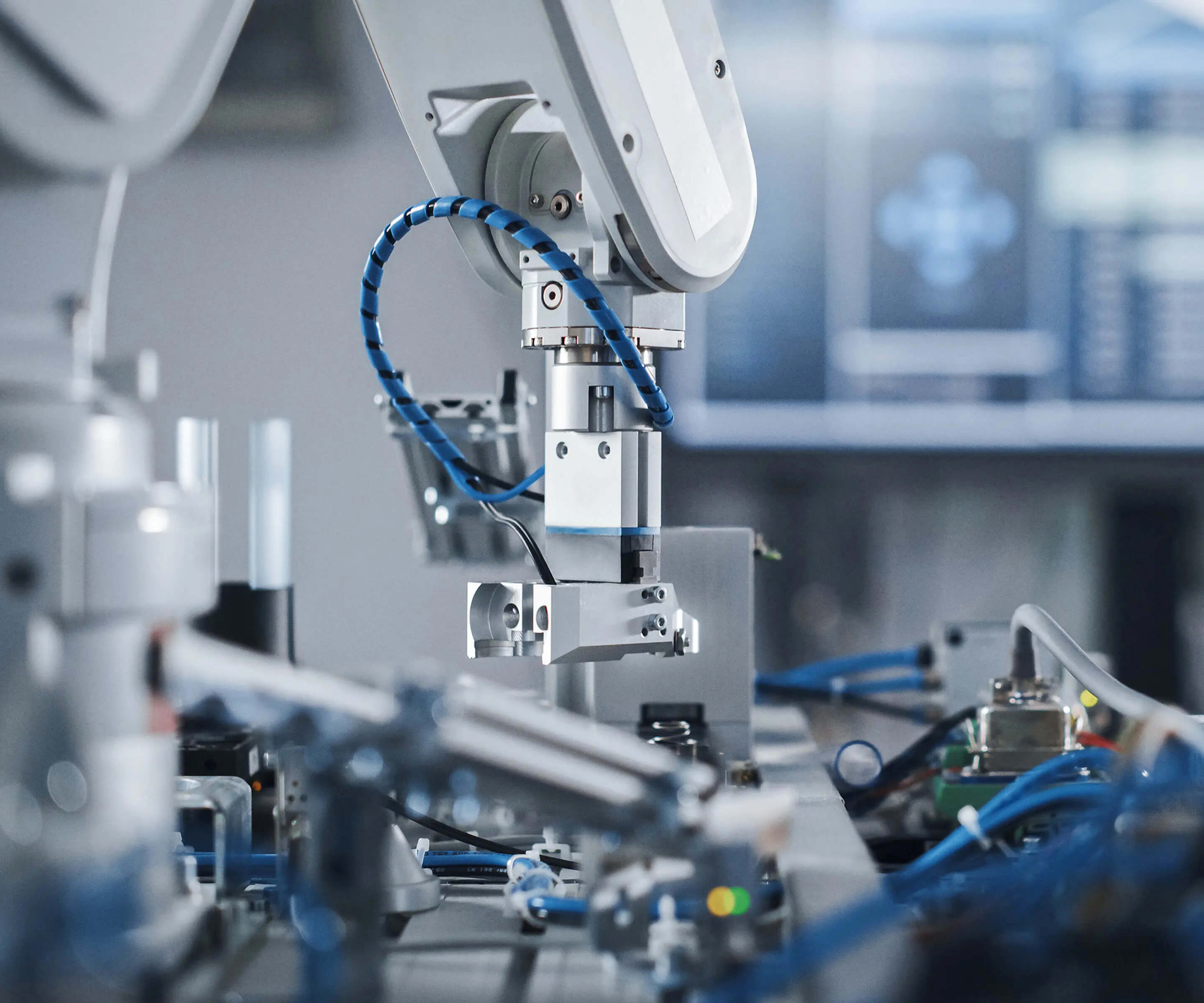
A: Yes. With the help of graphical sliders and curve charts, 80% of common debugging tasks can be completed without coding knowledge.
Q: What should I do if the wireless connection keeps disconnecting?
A: Change to a shielded USB cable for direct connection; if you insist on using wireless mode, switch to a 5.8GHz band module.
Q: Is it normal for the servo to become seriously heated after adjusting parameters?
A. The situation is not normal. The parameters need to be restored immediately, focusing on reducing the "current limiter" and "position loop P value".
Q: There are so many graphs in the software, which one should you look at first?
Let's first check the "command position vs actual position" following the error curve. This is the source of all problems.
To really make this scalpel deeply integrated into your muscle memory, I strongly recommend that you start doing three extremely critical things today. First, find all the servos you have on hand that are idle, and then connect them to usekpowerFor Servo’s controller, you must know that its host computer interface is the most similar among many products and is as simple and easy to understand as a “point-and-shoot camera”. Then we spent ten minutes dragging all the sliders randomly and carefully observing the corresponding response of the servo. In the process, we were allowed to burn out a relatively cheap servo as tuition for learning. Second, start building your own personal parameter library: Once you successfully complete a round of debugging, you should immediately take a screenshot and save the parameter configuration displayed in the software, and at the same time indicate in detail the application scenario corresponding to the parameter configuration and the load weight it bears. Third, when you encounter any abnormal jitter or noise next time, you must first turn on the host computer to record a "real-time position error curve", and then go to the forum or ask the supplier. You must remember that this software is not an optional accessory that you don’t care about, but like a stethoscope, it plays a key role in diagnosing your mechanical system and is an absolutely indispensable tool.
In the next three years, those automation engineers who don't know how to use PCs to carry out debugging work will be like those electricians who don't know how to use oscilloscopes today - try to guess which party will be eliminated first in the recruitment market?
Update Time:2026-05-08

Contact Kpower's product specialist to recommend suitable motor or gearbox for your product.


