



























TECHNICAL SUPPORT


Published 2026-07-16
Quick Answer
Helicopter parallelservosystems utilize two independent actuators to control a single flight surface, primarily to eliminate mechanical backlash and enhance response bandwidth. This configuration ensures redundant control authority, critical for precision stability in both electric and gas-powered models. By distributing load across dual units, the system reduces individual stress, extends component lifespan, and minimizes vibration-induced errors. Engineers prioritize this setup when high torque density and zero-play transmission are non-negotiable requirements for complex aerodynamic maneuvers.
Introduction
Precision in helicopter dynamics demands more than standard single-actuator setups. Many operators face instability during rapid directional changes or hover maintenance. Mechanical play in traditional linkages often leads to erratic flight behavior, compromising safety and performance. The root cause lies in the inherent slack between gears and horns, which amplifies under high G-forces. To resolve this,engineers adopt parallelservoarchitectures. This approach directly addresses the need for rigid, responsive control surfaces without increasing overall weight significantly allows. Understanding the underlying mechanics procurement teams to select robust solutions that withstand rigorous operational cycles.
Mechanism of Dual Actuation
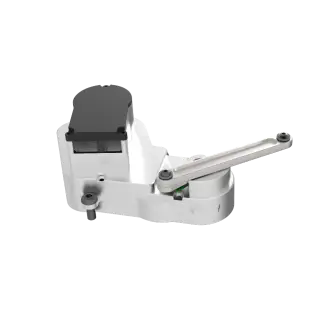
The core principle relies on coupling twoservomotors to a common control horn via parallel linkage arms. Each servo operates independently but synchronizes its output through mechanical constraints. When one servo moves, the other follows, creating a unified force vector. This arrangement effectively cancels out internal gear clearance. The result is a stiff connection that mimics hydraulic actuation but with electronic precision. Load distribution becomes symmetrical, preventing uneven wear on bearings or shafts. Operators notice immediate improvements in stick feel and tracking accuracy.
Advantages Over Single-Servo Systems
Single servos often struggle with peak torque demands during aggressive maneuvers. Parallel configurations share the burden, allowing each unit to operate within optimal efficiency ranges. This reduces heat generation and electrical draw, preserving battery life in electric models. Furthermore, redundancy plays a crucial role. If one servo fails temporarily, the other can maintain limited control, providing a critical safety margin. The elimination of lash ensures that pilot inputs translate instantly to surface deflection. This direct correlation enhances maneuverability and reduces pilot workload during complex flights.
Technical Considerations for Implementation

Installing parallel servos requires careful attention to synchronization. Both units must have response curves and power delivery characteristics. Mismatched specifications can lead to binding or conflicting forces, damaging the mechanism. Timing alignment is essential before initial testing. Operators should verify that both servos move in unison across the full range of motion. Additionally, structural integrity of the mounting points must be assessed. High-torque outputs demand reinforced frames to prevent flexing. Proper wiring harnesses should minimize signal interference between channels.
Selection Criteria for Procurement
Choosing the right parallel servo setup involves evaluating torque ratings, speed, and durability. Look for servos specifically designed for high-load applications. Metal gears are preferred over plastic for long-term reliability. Water resistance may be necessary for outdoor operations. Check for digital feedback capabilities that allow precise calibration. Ensure compatibility with existing receiver systems and power supplies. Consulting technical datasheets helps identify units that meet specific thrust-to-weight ratios. Engaging with experienced suppliers can clarify integration requirements.
Key Specifications to Check
Common Questions About Parallel Servo Systems
Do parallel servos consume more power?
Yes, slightly due to dual units. However, shared load often improves efficiency. Total draw depends on maneuver intensity.
Can I mix different servo brands?
Not recommended. Mismatched specs cause binding. Use identical units for synchronized operation.
Is installation difficult?
Requires precise timing alignment. Follow manufacturer guidelines for linkage setup. Professional help may be needed.
Does this work for all helicopter sizes?
Most effective in mid-to-large models. Small helicopters may lack space for dual units.
What happens if one servo fails?
Control reduces authority significantly. Backup capabilities depend on remaining servo strength.
Are metal gears necessary?
Highly advised. Plastic gears wear faster under dual load. Metal ensures longevity.
How does this affect flight time?
Minimal impact if efficient. Balanced load prevents excessive current spikes.
Can I use analog servos?
Digital servos offer better resolution. Analog may lag in synchronization.
What maintenance is required?
Regular lubrication of linkages. Check for loose screws and worn horns.
Is backup support available?
Reputable suppliers offer technical assistance. Ensure warranty covers dual-unit issues.
Choosing the Right Configuration for Your Needs
Selecting a parallel servo system requires balancing performance needs with budget constraints. Evaluate your specific flight profile and mechanical limitations. Prioritize suppliers who provide detailed technical support and quality assurance. Investing in robust components pays off in reduced downtime and enhanced reliability. For complex applications, consulting with engineering experts ensures optimal integration. Contactkpowerservoto discuss your specific requirements and explore tailored motion control solutions.
Update Time:2026-07-16

Contact Kpower's product specialist to recommend suitable motor or gearbox for your product.


