
























TECHNICAL SUPPORT


Published 2026-09-10
AUAV(Unmanned Aerial Vehicle) and adronerefer to the same category of flying machines without a human pilot onboard. The term UAV is the formal, technical designation used in military, regulatory, and industrial contexts, while drone is the colloquial shorthand that dominates everyday conversation and consumer markets. For procurement and specification purposes, both terms describe the same underlying technology — though the choice of wording often signals something about who you're talking to and which standards apply.
01Why the Confusion Exists in the First Place
You'll encounter both terms constantly across datasheets, compliance documents, vendor conversations, and product catalogs. That overlap isn't accidental — it reflects a decades-long evolution in how the industry describes these machines.
The termUAVoriginated in military and aerospace engineering circles. It emphasizes the vehicle aspect: a machine that flies autonomously or via remote control. Regulators and defense contractors prefer this terminology because it sounds precise. It also aligns with how certification frameworks are structured.
Drone, on the other hand, entered mainstream vocabulary through consumer and hobbyist culture. It carries connotations of accessibility, affordability, and versatility. Commercial operators in logistics, agriculture, and surveying now use the term interchangeably with UAV, even as they sign contracts that require UAV-specific compliance documentation.
The result is a terminology landscape where both words are correct — and where choosing the wrong one in the wrong context can create real friction.
02How the Terms Differ Across Contexts
Understanding when to use UAV versus drone matters more than you might expect. It influences procurement language, supplier expectations, and regulatory positioning.
This distinction becomes especially relevant when you're drafting specifications or negotiating with suppliers. A vendor responding to a drone inquiry may emphasize ease of use and price. A vendor responding to a UAV inquiry may emphasize compliance, mission profiles, and payload integration.
03What Buyers Actually Need to Know
Terminology aside, the real question behind "does UAV mean drone" usually points to something deeper: understanding what the machine can do, whether it meets your operational requirements, and whether the supplier you're evaluating is credible.
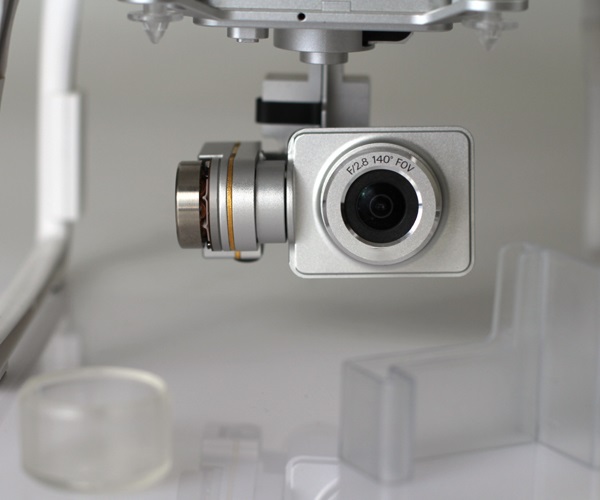
Here's what matters most when you're sourcingunmanned aerial vehicles :
Payload capacity— What equipment can the platform carry? Cameras, LiDAR, sensors, delivery mechanisms all change the equation.
Flight time and range— Endurance figures vary significantly between consumer-grade and industrial-grade systems.
Control architecture— Is it fully autonomous, semi-autonomous, or pilot-operated? The distinction affects training costs and operational risk.
Regulatory compliance— Does the supplier provide documentation that satisfies your local aviation authority?
Integration capability— Can the platform interface with your existingmotion control applicationsand data processing workflows?
None of these factors change based on whether you call the system a UAV or a drone. They change based on the engineering, the certification, and the supplier's track record.
04Common Misunderstandings That Cost Money
Procurement teams regularly lose time and budget over simple terminology confusion. Here are the patterns I see most often.
Assuming consumer drones meet industrial requirements.A drone purchased for aerial photography may not satisfy the durability, environmental ratings, or redundancy standards needed for inspection or survey work. The word drone doesn't tell you what the machine can handle.
Using the wrong term in technical specifications.If you write "drone" in a formal procurement document intended for industrial suppliers, you may attract vendors who specialize in consumer equipment rather than those equipped for mission-critical operations. The reverse is equally true.
Expecting interchangeable compliance documentation.Not every supplier can provide the same regulatory support package. UAV-focused vendors typically carry certifications that consumer drone manufacturers don't pursue. Verify what documentation is actually available before committing to a purchase.
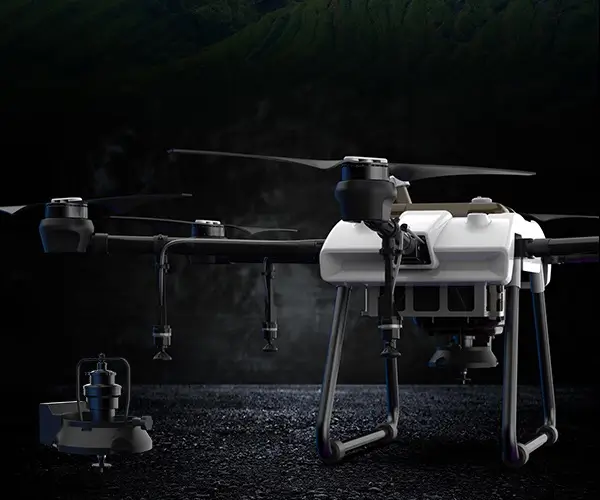
05When the Distinction Actually Matters
There are situations where UAV versus drone terminology carries real weight:
When operating incontrolled airspace, regulators care about the classification you declare. Mislabeling a UAS as something else can create compliance gaps.
When competing for government or defense contracts, the RFP language will specify which terminology applies. Matching that language signals professionalism and attention to detail.
When communicating across international supply chains, standardizing on one term reduces ambiguity. UAV is more universally understood in technical and regulatory contexts than drone.
06Key Questions to Ask Before You Buy
Before finalizing any procurement decision, run through this checklist:
Does the supplier distinguish between UAV and consumer drone offerings?
Can they provide compliance documentation for the specific class of aircraft you need?
Are the performance specifications tied to a formal UAV rating or a consumer-grade estimate?
Do they offercustomservosolutionsor compatible integration support if your application requires specialized payload mounting?
What is their track record with operators in your sector?
07Common Questions About UAV and Drone Terminology
Are UAV and drone the same thing?Yes. Both terms describe an aircraft that operates without a human pilot onboard. UAV is the formal term; drone is the common term.
Which term should I use in a procurement document?Use UAV if the document is technical, regulatory, or formal in nature. Use drone if the audience is mixed or the context is commercial marketing.
Does the choice of term affect pricing?No. The terminology doesn't determine cost. Specifications, payload capacity, compliance level, and supplier tier do.
Why do some suppliers prefer one term over the other?Suppliers who serve defense and industrial clients tend to use UAV. Those focused on consumer and hobbyist markets lean toward drone. The preference signals their typical customer base.
Is UAS different from UAV?UAS stands for Unmanned Aircraft System and includes the vehicle, the ground control station, and the communication link. UAV refers specifically to the flying vehicle itself.
Should I worry about terminology in everyday operations?Not excessively. But being precise matters when writing specifications, signing contracts, or communicating with regulators.
08Choosing the Right Platform for Your Application
The terminology question resolves quickly once you focus on what the machine needs to do. Whether you call it a UAV or a drone, the purchasing decision comes down to capability, compliance, and supplier credibility.
kpower servopartners with organizations that need precision motion control integrated into their UAV platforms. If you're evaluating systems for surveying, inspection, agricultural monitoring, or logistics, the right supplier should be able to address both the airborne vehicle requirements and theservointegration needs that come with specialized payloads.
Request a quote or send your specifications for an engineering review. The terminology is straightforward — the implementation is where the real difference shows.
Update Time:2026-09-10

Contact Kpower's product specialist to recommend suitable motor or gearbox for your product.


