



























TECHNICAL SUPPORT


Published 2026-09-17
Quick Answer
FPV drone motor pricesvary significantly based on stator size, winding type, and brand tier. Entry-level 2205 or 2207 motors typically range from $15 to $30 per unit. High-performance 2306 or 2408 variants, designed for racing or freestyle, often cost $35 to $60. Custom-wound or premium brand motors can exceed $80. These costs reflect material quality,torque density, and consistency. Ignoring these. variables lead to unexpected budget overruns or suboptimal flight performance. Verifying specific specs before ordering prevents mismatched power delivery and extends component lifespan.
Introduction
Budgeting for a new build often reveals a confusing gap between advertised prices and total ownership costs. Many engineers and builders assume motor price is a fixed line item. It is not. Fluctuations in supply chain costs, specific winding requirements, and quality control standards directly impact the final quote. A motor that saves $10 upfront may fail after 20 hours of flight. That failure triggers downtime and replaces the entire cost saving. This volatility creates friction in procurement planning. You need a clear understanding of what drives these pricing structures.
The core issue is matching motor cost to your specifictorque requirements. Over-specifying wastes capital. Under-specifying risks frame damage. Most teams struggle to balance initial purchase price against long-term reliability. This guide breaks down the factors behindfpv drone motor price. It provides a framework for evaluating value, not just cost. We will examine the technical drivers and the hidden expenses that affect your bottom line.
Table of Contents
Understanding the Price Drivers
Comparing Motor Sizes and Costs
Evaluating Quality vs. Cost
Hidden Costs in Maintenance
Questions to Ask Your Supplier
Making the Right Procurement Choice
Understanding the Price Drivers
Motor pricing is not arbitrary. It follows strict engineering logic. The three main drivers are stator material, magnet grade, and winding complexity.
01The Impact of Stator Materials
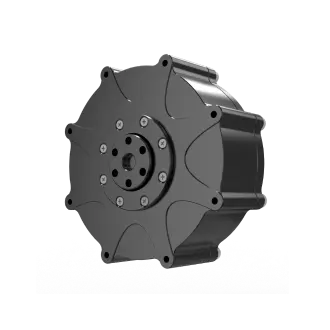
Stator laminations define the baseline cost. Most affordable motors use standard silicon steel. This material conducts electricity well but saturates at lower magnetic fields. It limits the maximum current you can safely push through the windings.
Premium motors often use amorphous or nanocrystalline alloy sheets. These materials reduce hysteresis losses. They allow higher efficiency at the same power draw. You pay more for this material, but you gain thermal headroom. This headroom allows you to run cooler. Cooler motors last longer. The initial price premium is offset by extended service life.
02Magnet Grade and Torque Density
Magnets are the most expensive component in the stator stack. Neodymium iron boron (NdFeB) magnets are standard in high-performance applications. The grade of this material matters. N52 magnets offer the highest energy product. They generate more torque at a smaller physical size.
Using lower-grade magnets like N35 allows manufacturers to cut costs. You save on the unit price. However, you lose torque density. You may need a larger stator to achieve the same thrust. A larger stator requires a larger frame. This cascading effect increases your total build cost. Always verify the magnet grade in the spec sheet. It directly correlates with price and performance.
03Winding Complexity and Customization
Winding a motor is labor-intensive. High-turn-count windings require more copper wire. They take longer to produce. They are harder to insulate properly.
Standard off-the-shelf motors use automated winding machines. They are cheaper to produce. Custom-wound motors often involve hand-checking or specialized machine settings. If you request a specific resistance value or inductance, you pay for that engineering time. This is a service fee. It is not just a material cost. Understand thatcustomservosolutionsor custom-wound motors will always carry a premium over standard catalog items.
Comparing Motor Sizes and Costs
Choosing the right size is a balance of budget and physics. Here is a comparative look at common classes.
This table illustrates the non-linear cost curve. Moving from a 2205 to a 2408 does not double the price. It may triple it. This is due to the increased material volume and the engineering required to handle the higher power loads. Do not simply pick the biggest motor. Match the size to your propeller diameter and battery voltage.
Evaluating Quality vs. Cost
In many cases, the cheapest option is not the most economical. Defective motors create downstream risks. A cheap motor may have misaligned bearings. This causes vibration. Vibration loosens propellers. Loose propellers crack frames. You end up replacing multiple components.
High-quality motors use tighter tolerances. They often include branded bearings like Loosen or JFS. These brands command a price premium. Why? Because their failure rates are statistically lower. They maintain smooth rotation over thousands of hours.
Consider the cost of downtime. If a low-cost motor fails during a critical test, the lost time costs more than the savings on the hardware. For production teams, consistency is key.servomotor selectionshould prioritize repeatability. A supplier who offers batch-to-batch consistency is worth more than one who offers a lower sticker price.
Hidden Costs in Maintenance
Maintenance is not just about cleaning. It is about bearing replacement. Most FPV motors are sealed. You cannot easily replace bearings in standard units. This means the motor is a single-life component.
However, high-end units often feature replaceable bearing sets. This adds to the initial cost. It reduces long-term waste. You replace the $5 bearing instead of the $50 motor. This changes your total cost of ownership.
Another hidden cost is thermal management. Cheap motors run hot. Heat degrades the insulation on the windings. This shortens the lifespan. You may need to invest in better airflow solutions. These could include lightweight ducts or fan setups. These additions add weight and complexity. They are indirect costs of using a low-efficiency motor.
Questions to Ask Your Supplier
Before finalizing a quote, verify these points.
What is the tolerance on the stator air gap?This affects efficiency and sound.
Are the bearings replaceable?This impacts your maintenance budget.
What is the warranty period?Most suppliers offer 30 days. Ask for their return process.
Do they provide datasheets with inductance values?This helps you tune your ESCs accurately.
Asking these questions signals to the supplier that you understand the product. It may lead them to offer a higher-tier option that better suits your needs.
Making the Right Procurement Choice
Selecting a motor is a strategic decision. It affects your flight performance, maintenance schedule, and budget stability.
When you need rapid prototyping, choose off-the-shelf mid-range motors. They offer a good balance of cost and availability. You can source them quickly from distributors.
When you have a finalized design, consideranalog vs digitalservoequivalents for stability. In FPV, this translates to selecting motors with consistent RPM curves. Request samples from two suppliers. Test them under load. Measure the temperature rise. The data will tell you which motor offers the best value.
Do not let the sticker price dictate your decision. Look at the total package. Include shipping, potential failure rates, and integration complexity.
If you need a professional review of your powertrain,kpowerservocan assist with your evaluation. Our team specializes in matching motor characteristics to specific control systems. You can submit your current specs for a free engineering consultation. This ensures your next order aligns with your long-term operational goals.
Questions Buyers Often Ask About FPV Drone Motor Prices
Why do two identical motors cost different amounts?
Differences in brand, bearing quality, and manufacturing location drive price variance. A motor with premium bearings will cost more than one with generic ones. Verify the component spec list before assuming they are identical.
Is it worth paying for a custom-wound motor?
Yes, if your application requires specific resistance or inductance values. Standard motors may not reach your target RPM with your chosen propeller. Custom winding solves this but adds 20-40% to the cost.
How long do FPV motors typically last?
Lifespan varies by usage. A racing motor might last 50 hours. A cinematic motor can last 200+ hours. Failure usually occurs in the bearings first. Regular inspection extends the usable life.
Do prices include tax and shipping?
Check the quote carefully. International shipping often includes customs fees. These can add 10-15% to the final landed cost. Ask your supplier for a landed price to avoid surprises.
Can I return a defective motor?
Most suppliers have a return policy. Typically, you must report the defect within 15 days. Keep test logs. They provide proof of failure. This speeds up the replacement process.
Update Time:2026-09-17

Contact Kpower's product specialist to recommend suitable motor or gearbox for your product.


