



























TECHNICAL SUPPORT


Published 2026-09-29
Quick Answer
An8K dual camera dronemounts two high-resolution sensors—typically a wide-angle and a telephoto unit—on one platform, capturing 33-megapixel stills and 8K video from simultaneous focal perspectives. The dual setup enables subject isolation, real-time blending, and depth-based compositing without repositioning mid-flight. What separates a dependable unit from an underwhelming purchase, however, is rarely the headline resolution figure. Gimbalservomotorprecision, thermal head under sustained dual-stream recording, and data write throughput for two concurrent 8K feeds matter far more. Before committing budget, verify the gimbal's angular tolerance, the codec's sustained bitrate, and whether the firmware permits independent exposure control on each sensor.
Why the "8K Dual" Label Alone Misleads Buyers
Spec rarely tell you what the camera does when both sensors record simultaneously for forty minutes. Heat accumulates in the gimbal housing. Thedual camera gimbal servomust correct drift on two axes while managing the combined mass of two sensor stacks. If the correction loop lags, your footage shows micro-jitter that no post-production filter fully erases. In many field deployments—survey flights, event coverage sheets, inspection work—buyers discover this limitation only after the first long mission.
The practical question is not "Does it shoot 8K?" but "Does it hold a steady 8K shot across both lenses for the duration of my job?"
Key Specifications to Compare
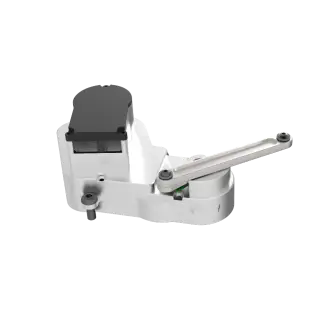
One specification often overlooked: theservomotordriving the gimbal. In a dual-camera layout the rotor carries roughly 30–50 % more inertia than a single-lens setup. A higher-torque, low-backlash servo keeps correction latency under 2 ms, which is the threshold where visible jitter disappears. Cheaper platforms substitute lower-spec actuators to cut cost, and the penalty shows up as a subtle wobble in every pan-and-tilt sequence.
Where Motion Control Decides Your Footage Quality
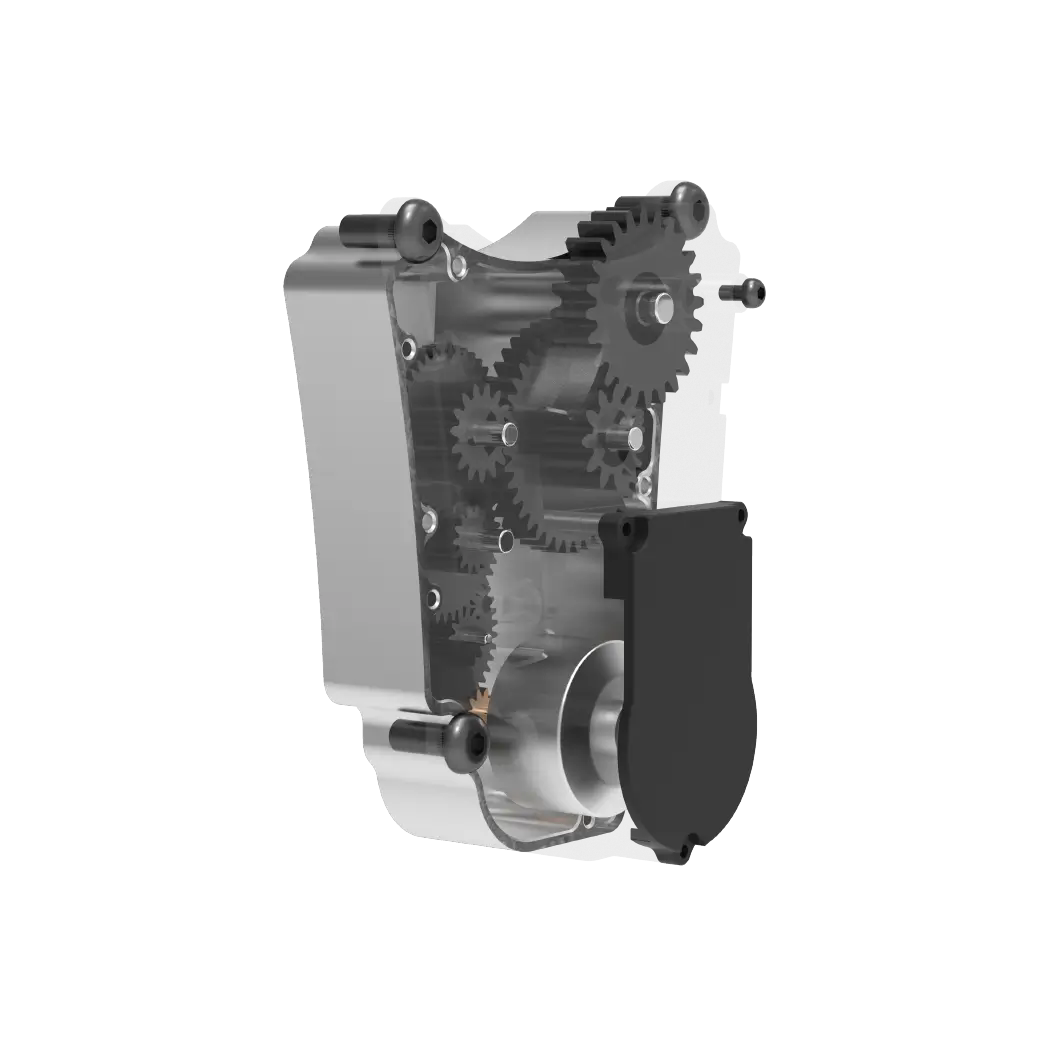
This is where the conversation shifts from "what the sensor sees" to "how the sensor is held." A dual 8K rig concentrates weight on the gimbal's pitch and roll axes. Theservo motor selectionthat governs that gimbal determines whether your footage looks professional or looks like a handheld shot. Precision planetary gearheads, closed-loop encoders, and low-resistance windings together define the correction bandwidth. If the bandwidth is too narrow for the increased moment of inertia,the system oscillates at the edge of its correction range.
For engineering teams specifying a platform—or procurement managers evaluating bids—ask the supplier for the gimbal's open-loop and closed-loop frequency response. A response that stays above the dominant disturbance frequency (typically wind gusts at 10–20 Hz) means the two 8K streams remain locked to the scene. That single test result tells you more about long-term footage quality than any marketing resolution figure.
Practical Questions Before Ordering
Q: Can both cameras record 8K video at the same time, or does the platform switch between them?
A: Verify the firmware's concurrent-recording capability. Some platforms interleave 8K output to protect storage bandwidth, effectively dropping to 4K on one stream. Confirm the sustained dual-stream bitrate in the technical datasheet before assuming true simultaneous 8K.
Q: How does the dual sensor affect flight time?
A: Two sensor stacks plus additional gimbal structure add 120–200 g of payload. On a typical 700-g-class platform, that trims flight time by roughly 15–25 %. Request the manufacturer's published range under dual-camera configuration, not single-camera.
Q: What maintenance does the gimbal servo require after extended use?
A: Check the service interval for encoder calibration and bearing inspection. A well-servicedgimbal servo motorretains its angular tolerance for 2,000+ hours; neglect accelerates backlash growth, which degrades stabilization on both cameras simultaneously.
Q: Is a global-shutter sensor necessary for industrial inspection work?
A: For rotating machinery, high-speed vehicle tracking, or rapid pan-and-tilt sequences, yes. A rolling-shutter sensor introduces geometric distortion that no post-processing fully corrects. Confirm the sensor type per camera position.
Making a Better Long-Term Decision
Resolution sells; consistency earns repeat business. Before you place an order or approve a procurement bid, ask the supplier for three documents: a gimbal frequency-response test report, a recording thermal-duration curve for dual-stream operation, and a servo maintenance schedule with torque-verification intervals. If those documents are not forthcoming, the platform will likely underperform during the missions that matter most.
If you want a second pair of eyes on the motion-control side of your specification, our engineering team atkpowerservocan review your gimbal load calculations and recommend a servo actuator matched to your dual-camera mass and correction-speed targets. Send your current specifications or the shortlist you are comparing, and we will return a written assessment within a few working days. No obligation—just a clearer picture of what the gimbal can actually hold steady.
Update Time:2026-09-29

Contact Kpower's product specialist to recommend suitable motor or gearbox for your product.


