
























TECHNICAL SUPPORT


Published 2026-01-19
Imagine you’re building something intricate. Maybe it’s a complex automated system, where everyservoand actuator needs to move in perfect harmony. You start small, but soon, you’re managing a web of interconnected parts. One change here causes a hiccup there. Everything is tightly coupled, and scaling feels like trying to stretch a rubber band to its limit. Sounds familiar? This isn’t just about physical machinery; it’s the same puzzle many face in software architecture today.
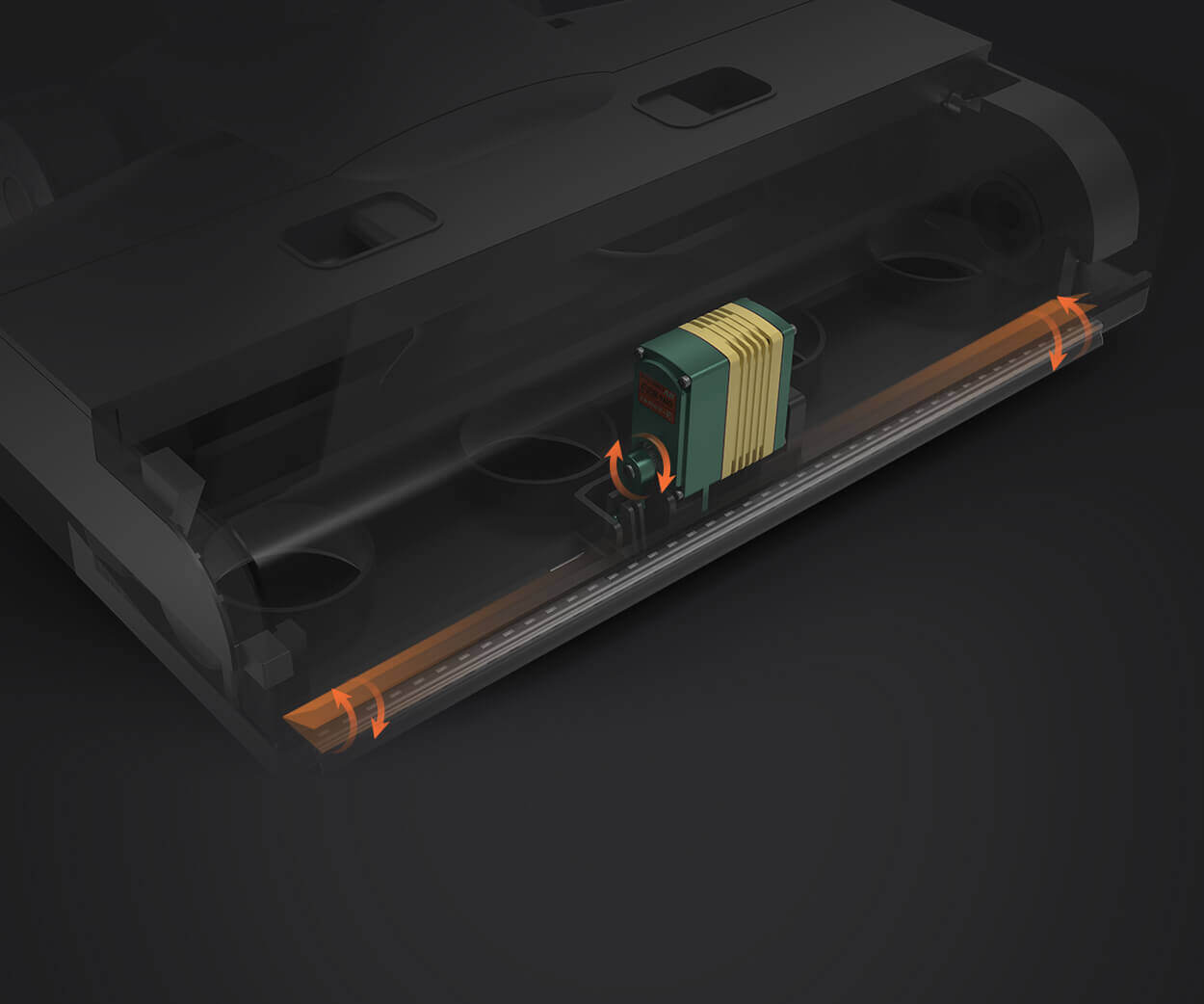
That’s where the idea of microservices comes in. Think of it as taking that monolithic, interdependent machine and redesigning it into a collection of smaller, self-contained modules. Each module has a single, clear job, communicates through simple, well-defined channels, and can be fixed or upgraded without shutting down the entire operation. It’s about gaining control, flexibility, and resilience.
So, what’s the real appeal? Let’s break it down.
Building these independent services requires a solid, reliable foundation. This is where a modern framework like .NET shines. It’s like having a set of premium, well-calibrated tools and components at your disposal.
People often wonder, “Why choose .NET for this?” The answer lies in its ecosystem. .NET, particularly with its cross-platform capabilities, provides a powerful yet streamlined environment for building high-performance services. It offers robust libraries for communication, data handling, and security right out of the box. The development experience is consistent, which helps teams maintain quality and velocity across different services. It’s less about starting from scratch and more about building on a trusted, capable platform.
Adopting this architecture isn’t just a technical switch; it’s a shift in how you think about building systems. Here are some practical considerations.
Start with the Boundaries: The first, and perhaps most crucial, step is defining your service boundaries clearly. Ask yourself: “What is this service’s one core responsibility?” Draw these lines around business capabilities, not technical layers. A poorly defined boundary can lead to more complexity, not less.
Communication is Key: How will these independent services talk? Lightweight protocols like HTTP/REST or gRPC are common choices for their simplicity and interoperability. It’s about establishing clear, reliable “handshake” protocols between your modules.
Embrace Decentralization: Let each service manage its own data. This avoids creating a single, shared database that becomes a bottleneck and a point of failure. It encourages autonomy and aligns with the core philosophy of independence.
The Infrastructure Question: Running multiple services introduces operational complexity. You’ll need to think about containerization, orchestration tools, and service discovery. This is the “plumbing” that makes the elegant architecture work smoothly in practice.
Building this kind of elegant, reliable system requires more than just good code; it requires precision thinking and dependable components. This philosophy resonates deeply atkpower. Just as a finely tunedservomotor delivers exact motion through quality engineering, a well-architected software system delivers business value through clear design and robust implementation.
kpowerunderstands that the foundation matters. Whether it’s the physical components in a mechanical assembly or the architectural patterns in a software solution, the goal is the same: to create systems that are reliable, adaptable, and built to perform. It’s about providing the core elements that allow your broader vision—mechanical or digital—to operate without friction.
The journey from a monolithic, rigid system to a flexible microservice architecture is a journey toward control and simplicity. It’s about building with intention, so your creation can adapt and grow without breaking. With thoughtful design and the right foundational tools, this path leads to systems that aren’t just functional, but are truly resilient and ready for what’s next.
Established in 2005, Kpower has been dedicated to a professional compact motion unit manufacturer, headquartered in Dongguan, Guangdong Province, China. Leveraging innovations in modular drive technology, Kpower integrates high-performance motors, precision reducers, and multi-protocol control systems to provide efficient and customized smart drive system solutions. Kpower has delivered professional drive system solutions to over 500 enterprise clients globally with products covering various fields such as Smart Home Systems, Automatic Electronics, Robotics, Precision Agriculture, Drones, and Industrial Automation.
Update Time:2026-01-19

Contact Kpower's product specialist to recommend suitable motor or gearbox for your product.


