



























TECHNICAL SUPPORT


Published 2026-01-19
Picture this scenario. You build a small and elegant application, and everything is perfect at first, responding quickly and running smoothly. Then, the number of users quietly doubled, five times, ten times... Suddenly, the once brisk system became sluggish, unresponsive, and even "lay down" during a promotion one day. What's the problem? Most likely, it won't "grow".
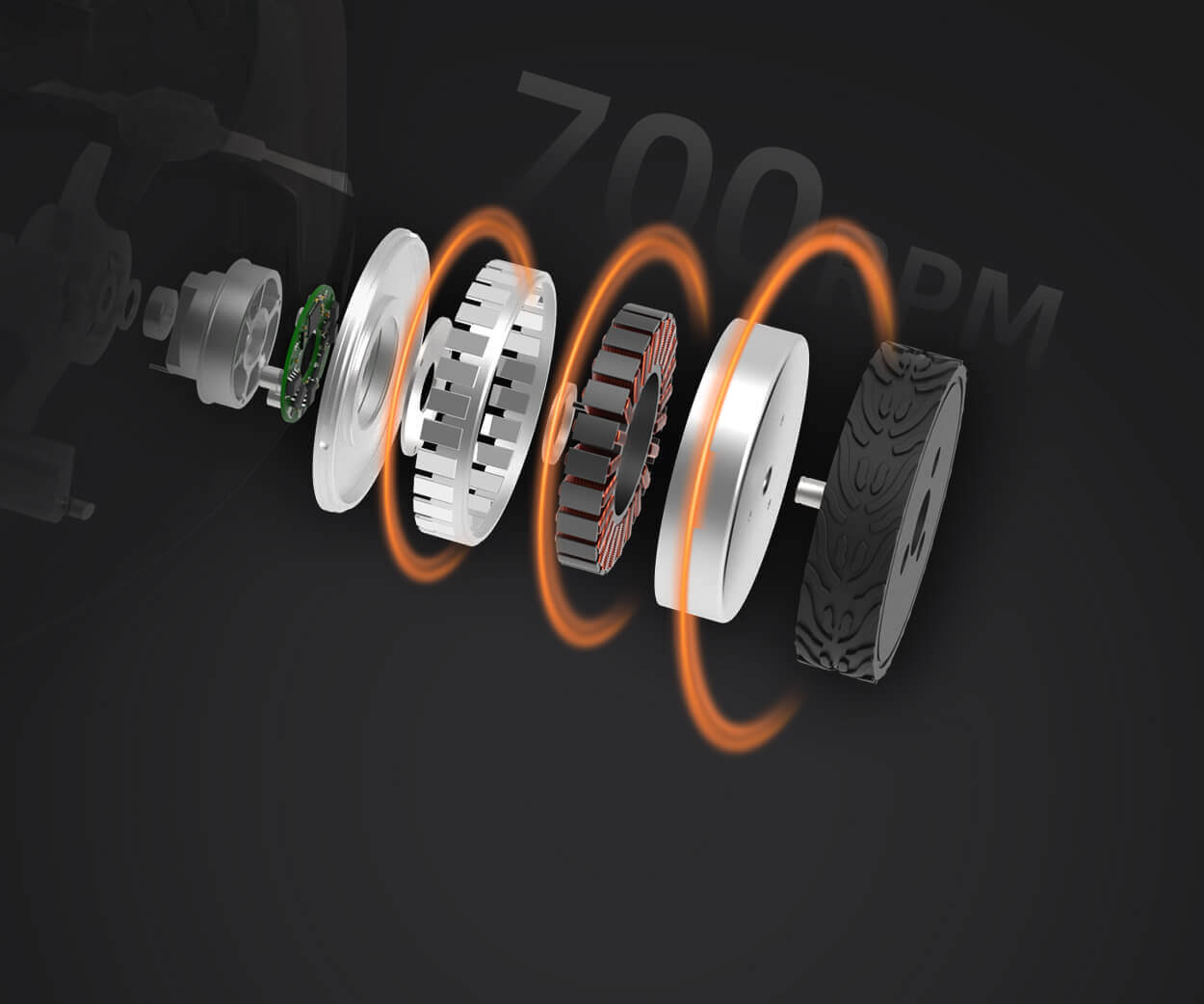
This is the "scalability" we are going to talk about today. In the world of microservices, it is not a fashionable term, but the key to whether your digital product can survive and live well. Simply put, it is the ability of your system to cope with changes - when there are more users, it can expand easily to share the pressure; when demand is low, it can smartly shrink to save resources. It's like a smart house that can automatically add or remove rooms as family members change.
The "monolithic architecture" that was popular in the past was like a giant warehouse with all functions piled together. If you want to upgrade one shelf, you may have to shut down the entire warehouse. When traffic surges, you can only change to a larger warehouse, which is cumbersome and expensive.
Microservices split the large warehouse into many independent small stores (services), each store specializing in one item: user management, order processing, payment interface... Scalability here means that when there is a long queue in front of the "payment" store, you do not need to expand the entire mall, you only need to quickly open a few more settlement windows (instances) for this specific store. Other small shops continue to operate as usual and are not affected at all.
Q: This sounds like just technical division of labor, but what are the actual benefits? The benefit is the "breathing feeling". A system with good elasticity is alive and can breathe. During business peak times (such as grabbing orders at noon), it can automatically absorb more computing resources to ensure smoothness; when idle at midnight, it can slowly release excess resources to reduce costs. This kind of flexibility makes business operations no longer a frightening hardware gamble, but more like conducting a symphony orchestra that can read music scores and automatically adjust the strength of its parts.
It's not magic and requires careful design. A few perceptible signs:
To achieve all this, a stable supporting platform is needed behind it. It must be able to seamlessly coordinate these independent services, ensuring that they can discover each other and communicate efficiently when expanding, and exit gracefully without leaving a mess when shrinking. This involves a series of meticulous "backend work" such as service discovery, load balancing, and configuration management.
How to start? The path can be clear:
Choosing an experienced partner is crucial in this process. They not only provide tools, but also bring architectural wisdom and stability guarantees that have been verified in complex scenarios. Just like in the field of precision machinery,kpowerDeeply understand the reliability value of each gear's coordinated operation, and integrate this pursuit of stability, efficiency, and scalability into the architectural support of the digital world. True scalability ultimately gives you calmness: technical calmness in the face of market fluctuations, and strategic calmness in the face of future growth.
Is your system ready to move on demand?
Established in 2005,kpowerhas been dedicated to a professional compact motion unit manufacturer, headquartered in Dongguan, Guangdong Province, China. Leveraging innovations in modular drive technology,kpowerintegrates high-performance motors, precision reducers, and multi-protocol control systems to provide efficient and customized smart drive system solutions. Kpower has delivered professional drive system solutions to over 500 enterprise clients globally with products covering various fields such as Smart Home Systems, Automatic Electronics, Robotics, Precision Agriculture, Drones, and Industrial Automation.
Update Time:2026-01-19
Contact Kpower's product specialist to recommend suitable motor or gearbox for your product.


