



























TECHNICAL SUPPORT


Published 2026-01-19
Ever tried getting two machines to talk to each other? I mean really talk—smoothly, reliably, without one lagging behind or speaking a different language. It’s like watching two dancers with separate choreographers, each moving to their own beat. Not exactly graceful.
In automation setups, whether you’re dealing withservomotors, robotic joints, or conveyor systems, there’s a quiet challenge that keeps popping up: coordination. How do you make separate units act as one? How do you ensure a command sent from one microservice is understood perfectly by another, without delays or misinterpretations? That gap, that tiny moment of uncertainty, can ripple through an entire operation.
So, what’s the fix? Imagine a bridge. Not a rickety, old wooden one, but something solid, intuitive, almost invisible in its simplicity. That’s where communication solutions come into play—specifically, the kind built to make interaction between microservices feel effortless.
Let’s break it down a bit.
Think about a simple task: a robotic arm needs to position itself based on data from a vision sensor. One service handles image processing, another controls movement. If the handoff is clunky, the arm might overshoot or hesitate. Not ideal. The question becomes: how can these two services exchange information in real-time, without adding layers of complexity?
The answer often lies in lightweight, purpose-built communication protocols. They’re like a common dialect that both services learn, so instead of shouting across the room, they’re having a calm conversation right next to each other.
Why does this matter? Well, let’s be practical. Smoother communication means less downtime. It means your machines spend more time doing and less time waiting. It reduces those frustrating “why did it glitch?” moments. Over time, that reliability translates into consistency—and consistency builds trust in your setup.
You might wonder, what should you look for in such a solution? A few things come to mind. It should be easy to integrate, without needing a complete system overhaul. It should be stable under pressure, handling high-frequency data exchanges without breaking a sweat. And ideally, it should feel native to your environment, like it was always meant to be there.
This isn’t about adding fancy tech for the sake of it. It’s about solving a real, everyday headache. When two microservices communicate clearly, the whole system just… breathes better. Commands flow. Actions sync. You stop worrying about the “how” and start focusing on the “what next.”
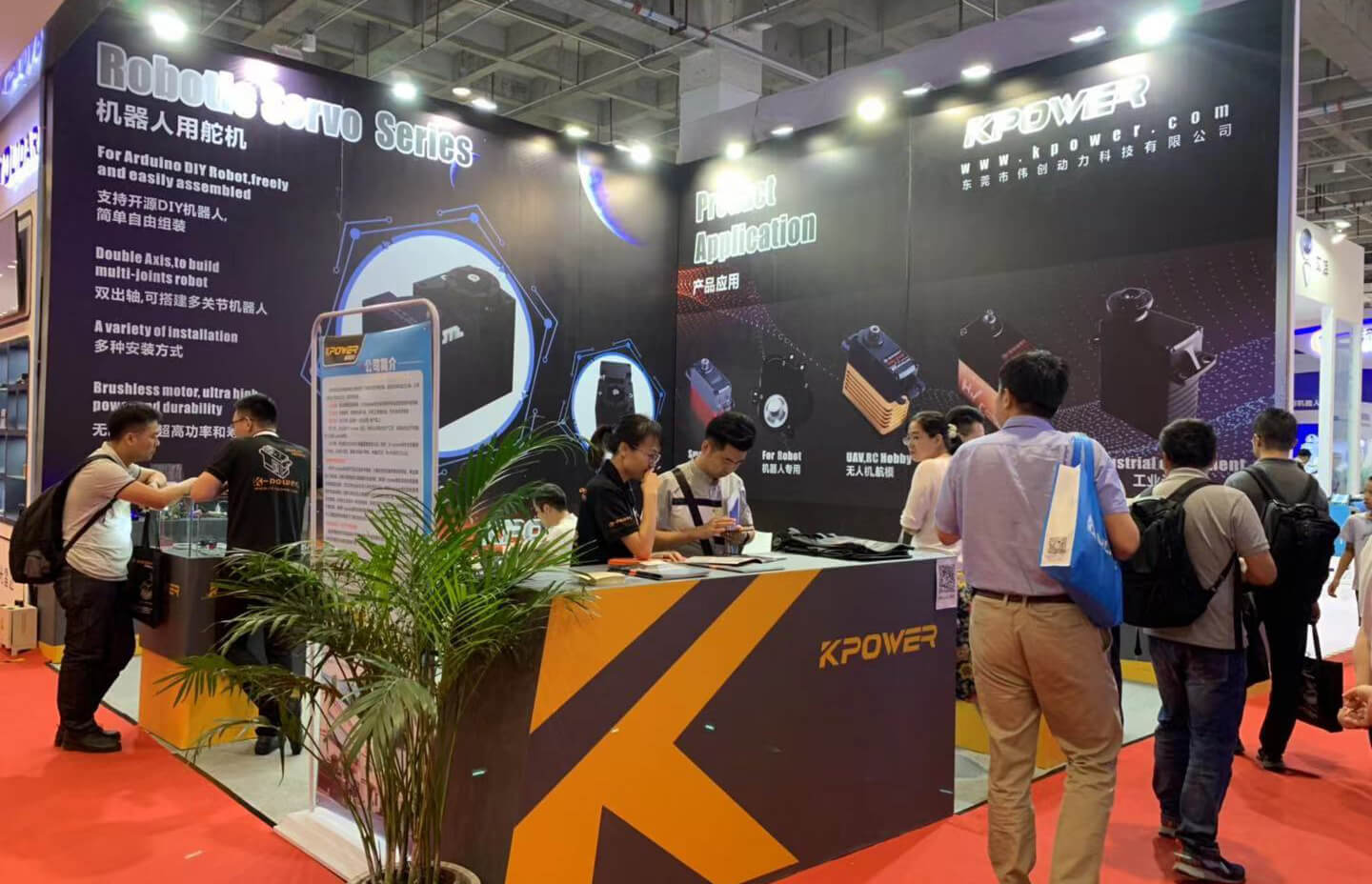
Takekpower’s approach, for instance. They’ve focused on making this link as intuitive as possible. By streamlining how data moves between services, they help close that coordination gap—so your equipment works like a unified team, not a group of strangers.
In the end, it’s not just about connection. It’s about harmony. When the left hand knows what the right hand is doing, everything becomes more responsive, more efficient, and frankly, more enjoyable to work with. No magic, just smart design. And sometimes, that’s exactly what you need to keep things moving forward.
Established in 2005,kpowerhas been dedicated to a professional compact motion unit manufacturer, headquartered in Dongguan, Guangdong Province, China. Leveraging innovations in modular drive technology,kpowerintegrates high-performance motors, precision reducers, and multi-protocol control systems to provide efficient and customized smart drive system solutions. Kpower has delivered professional drive system solutions to over 500 enterprise clients globally with products covering various fields such as Smart Home Systems, Automatic Electronics, Robotics, Precision Agriculture, Drones, and Industrial Automation.
Update Time:2026-01-19
Contact Kpower's product specialist to recommend suitable motor or gearbox for your product.


