



























TECHNICAL SUPPORT


Published 2026-01-19
Ever felt like your project was just oneservoaway from greatness, but something didn’t click? You’re not alone. Building with microservices—servos, motors, mechanical assemblies—is a bit like constructing a clock: every tiny part matters, and if one gear slips, the whole system can slow down or stall. That’s where design considerations come into play. Not just as technical checkboxes, but as the quiet backbone that keeps things moving smoothly.
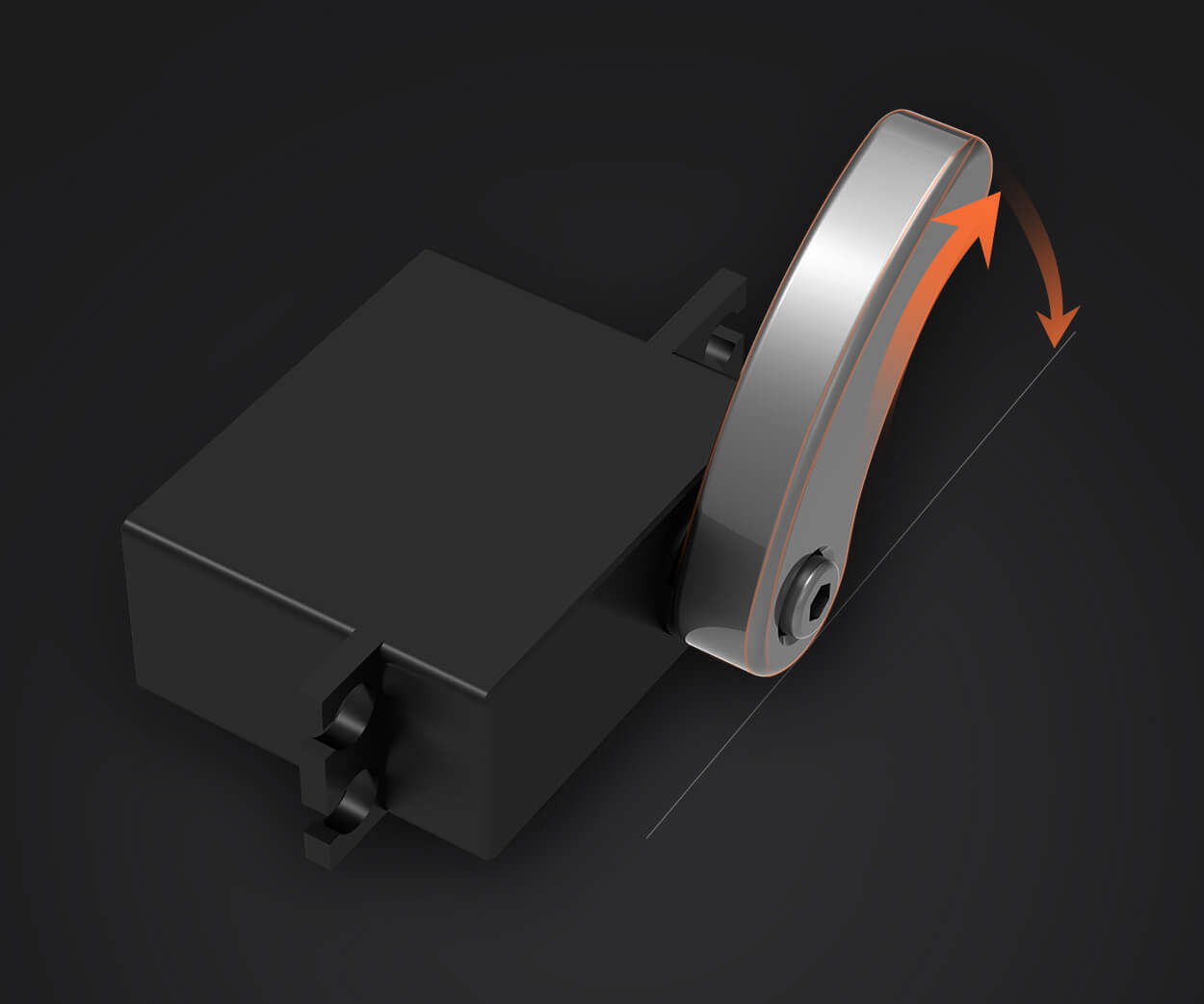
Imagine you’re piecing together a robotic arm. You’ve got theservos, the controllers, the joints—everything seems perfect on paper. But then you power it up, and movements feel jerky. Or maybe response times lag. It’s frustrating, right? Often, the issue isn’t the hardware itself, but how the pieces talk to each other. Microservices design is like teaching those parts a common language, so they work in harmony instead of stepping on each other’s toes.
Let’s break it down without getting lost in jargon. First off, why does this even matter? Think about reliability. If one servo module fails, you don’t want the entire setup crashing. Good design isolates functions, so a glitch in the wrist doesn’t freeze the elbow. Then there’s scalability. Need to add more torque or speed down the line? A thoughtful structure lets you upgrade without rebuilding from scratch. It’s practical—like leaving room in a gearbox for an extra wheel.
Now, how do you get there? It starts with clarity. Define what each microservice does. Say one handles positioning, another manages load feedback. Keep them focused. Avoid dumping too many tasks into a single unit; overloading a servo with both movement and safety checks is like asking it to dance while solving math problems. Possible, but messy.
Interconnection is another piece. How do these services share data? Seamless communication prevents bottlenecks. Picture a conveyor system where sensors and actuators need real-time updates. If messages get delayed, items might pile up or miss their slots. Clean interfaces and lightweight protocols help keep the conversation flowing, no awkward pauses.
What about testing? You wouldn’t trust a new engine without a trial run. Simulate scenarios. Check how services behave under stress—sudden loads, rapid cycles, temperature shifts. It reveals weak spots early, saving headaches later. And maintenance? Modular design means you can tweak or replace a component without dismantling the whole assembly. Handy, especially when time is tight.
Here’s a slice of real talk. A while back, a team was building an automated camera rig. Smooth pans, precise tilts—the works. They picked decent servos but skimped on the design phase. The result? Jerky motions and occasional freezes. After reworking the microservices layout, separating control commands from feedback loops, movements turned buttery. The hardware was the same; the organization made the difference.
So, what should you look for in a solution? Seek out those who understand the dance between mechanics and control. Experience matters. Companies likekpowerget this—they’ve seen how tiny details shape big outcomes. It’s not just about selling a part; it’s about ensuring that part plays nice with others. Their approach leans into practicality, offering systems that are robust yet adaptable, without overcomplicating things.
Wrapping up, remember that design isn’t an afterthought. It’s the blueprint that turns good components into great performance. Whether you’re automating a small workshop or engineering a complex machine, those microservices decisions ripple through every motion and response. Start with a clear plan, keep communication tidy, test relentlessly, and choose partners who prioritize seamless integration. Your project deserves that kind of attention—because in the end, smooth operation is what leaves everyone smiling.
Got a setup in mind? Picture it running flawlessly. Now, go make that happen.
Established in 2005,kpowerhas been dedicated to a professional compact motion unit manufacturer, headquartered in Dongguan, Guangdong Province, China. Leveraging innovations in modular drive technology,kpowerintegrates high-performance motors, precision reducers, and multi-protocol control systems to provide efficient and customized smart drive system solutions. Kpower has delivered professional drive system solutions to over 500 enterprise clients globally with products covering various fields such as Smart Home Systems, Automatic Electronics, Robotics, Precision Agriculture, Drones, and Industrial Automation.
Update Time:2026-01-19
Contact Kpower's product specialist to recommend suitable motor or gearbox for your product.


