



























TECHNICAL SUPPORT


Published 2026-01-19
So, You're Thinking About Microservices? Let's Talk Motion Control.
Ever stare at a machine and wonder how it all works? That robotic arm moving with such precision, the automated conveyor belt that never misses a beat, or even the fancy coffee machine making your morning brew—they all have a heart that beats in precise, controlled movements. At the core, you’re often dealing withservomotors and actuators. Making them work together smoothly, though, that’s where things get tricky.
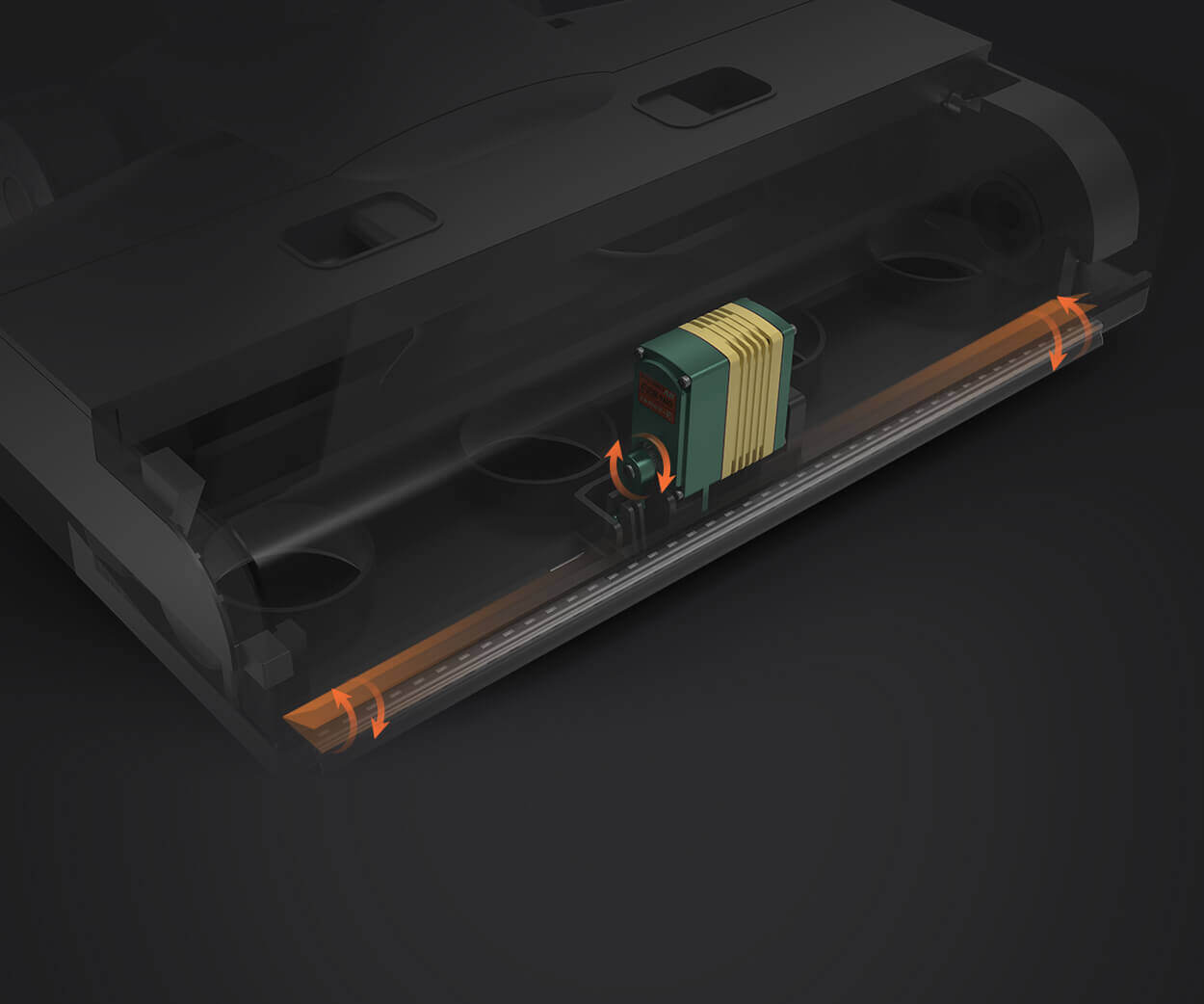
It’s like trying to conduct an orchestra where every musician is playing a different score. Oneservoneeds to accelerate fast, another needs to hold a position steady, and a third needs to respond instantly to a new command. If the “conductor”—your control system—isn’t perfectly in sync, you don’t get harmony. You get chaos: jerky movements, missed positions, and a project timeline that stretches on forever.
That’s where a lot of projects hit a wall. You have all the parts, but the blueprint for making them collaborate intelligently feels just out of reach. You might find yourself searching for something like “microservices in action pdf download,” hoping to find a pattern, a guide to structure this complex dance. You’re not just looking for a manual; you’re looking for a translation—from abstract concepts to real, turning gears.
When we talk about structuring control systems, it’s less about rigid code and more about creating a conversation. Imagine eachservoas a skilled individual with a specific job. It needs clear instructions, but also the autonomy to report back and adjust. This philosophy—breaking down a big, monolithic control task into smaller, independent “services”—is incredibly powerful. But how do you apply it to physical machines?
First, think about isolation. One servo’s task shouldn’t crash the whole system. Then, think about communication. How do these units talk? Fast? Reliably? Finally, think about management. How do you oversee it all without creating a tangled mess? This approach solves the orchestra problem. Each musician knows their part and listens for the subtle cues, resulting in a flawless performance.
It translates to real benefits. Systems become more resilient. Upgrading one component doesn’t mean shutting down everything. Troubleshooting is easier—you can pinpoint the chattering violinist instead of blaming the whole string section. Scalability? Add another servo, another axis of motion, as easily as adding another musician to the ensemble. It’s flexibility born from smart structure.
A search for resources is a natural step. You want a guide that feels like a seasoned mentor walking you through a workshop, not a dry textbook. You want practical insights, not just theory. The value lies in material that connects the dots between architectural principles and the tactile reality of wiring, tuning, and testing.
What makes a resource truly useful? It speaks your language. It knows that “low latency” isn’t just a buzzword; it’s the difference between a robotic gripper catching an object or fumbling it. It understands that “robust communication” means signals that don’t get lost in the electrical noise of a busy factory floor. It offers not just the “what,” but the “how” and, more importantly, the “why.”
It should make you nod and think, “Ah, so that’s how you handle a sudden torque overload without a system-wide panic.” It turns abstract challenges into solvable puzzles. The right reference material feels like a toolkit, equipping you with both the wrenches and the wisdom to use them.
This is where philosophy meets the metal. For those who design and build with motion, the end goal is always creation. It’s about taking a concept and giving it movement, purpose, and precision. The methodologies we adopt directly fuel innovation. They allow for more daring designs, more complex functions, and ultimately, machines that perform not just as intended, but with a degree of grace and reliability that feels almost intuitive.
Companies deeply embedded in this world, likekpower, live at this intersection. Their focus isn't merely on supplying components like servo drives or motors; it's on understanding the symphony of a full system. The real-world knowledge—the kind found in actionable, depth-rich guides—informs everything they do. It shapes how products are engineered to integrate seamlessly, how support is provided to untangle complex issues, and how partnerships are formed to drive projects from schematic to reality. It’s a cycle: applied knowledge leads to better tools, which in turn empowers the next wave of innovation.
Choosing to engage with brands that prioritize this deep, applicable understanding is a strategic move. You’re not just buying a product; you’re aligning with a resource pool and a mindset geared toward turning intricate challenges into elegant, working solutions. It’s about ensuring that the conductor of your orchestra has not only the score but also a profound feel for the music.
So, while your search for understanding might begin with a few keywords, the journey leads you to a broader landscape. It’s about piecing together a methodology that brings order to complexity, and then finding the partners who speak that language fluently. The result? Machines that move not just with accuracy, but with a kind of reliable, trustworthy rhythm that makes the entire project sing.
Established in 2005,kpowerhas been dedicated to a professional compact motion unit manufacturer, headquartered in Dongguan, Guangdong Province, China. Leveraging innovations in modular drive technology,kpowerintegrates high-performance motors, precision reducers, and multi-protocol control systems to provide efficient and customized smart drive system solutions. Kpower has delivered professional drive system solutions to over 500 enterprise clients globally with products covering various fields such as Smart Home Systems, Automatic Electronics, Robotics, Precision Agriculture, Drones, and Industrial Automation.
Update Time:2026-01-19
Contact Kpower's product specialist to recommend suitable motor or gearbox for your product.


