



























TECHNICAL SUPPORT


Published 2026-01-22
The workbench is a mess. Wires look like a plate of colorful spaghetti, and that mechanical arm you’ve been building for three weeks is just sitting there, lifeless. You flip the switch, expecting a smooth 180-degree sweep, but all you get is a pathetic twitch and a faint buzzing sound that smells like a looming disaster. Is it the code? Is it the power supply? Or did that motor just give up the ghost? This is where the headache starts. Without a way to isolate the problem, you’re just guessing, and guessing is a great way to waste an afternoon.
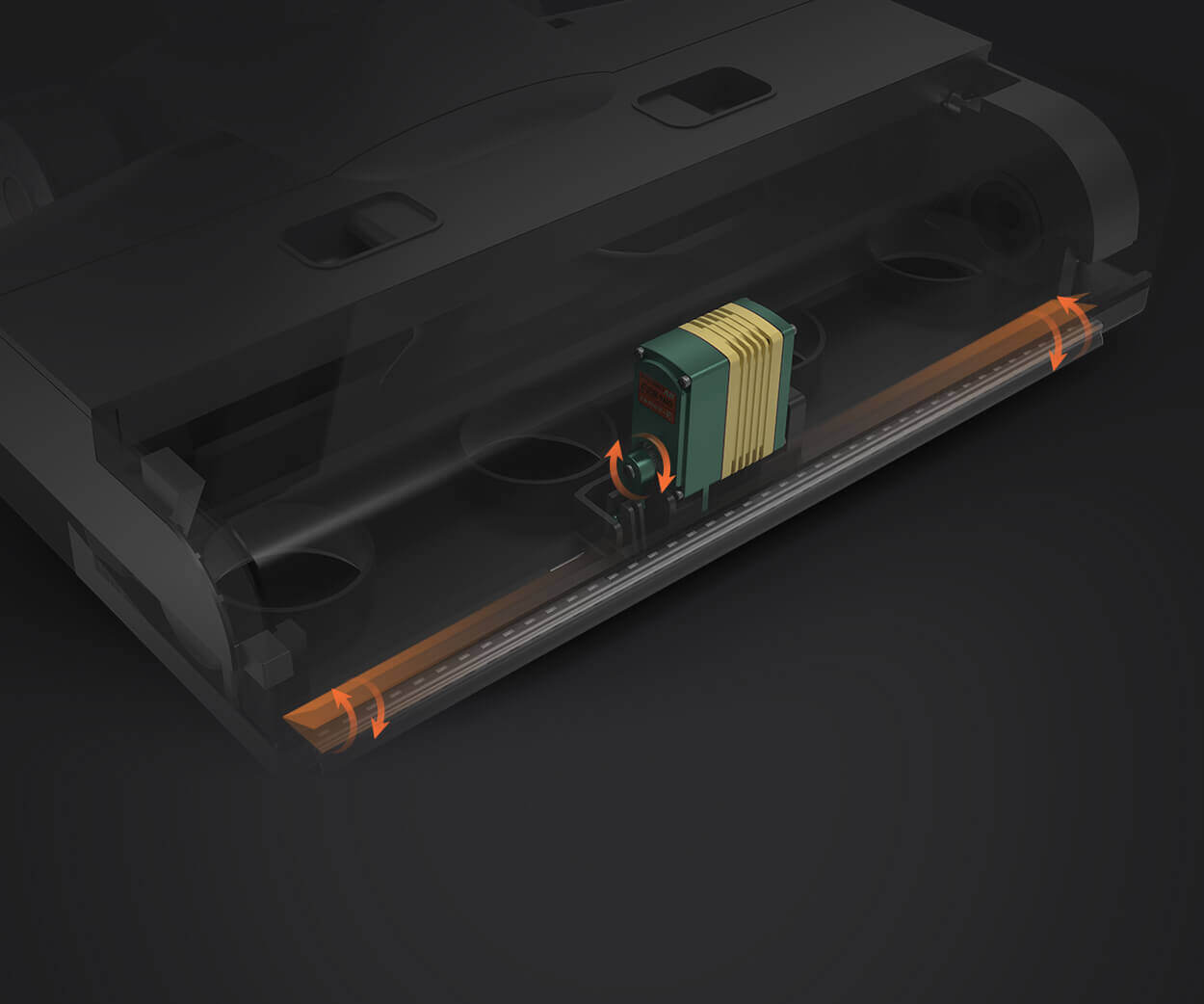
You’ve probably been there. You buy a handful of components, put them together, and one of them refuses to play nice. Testing aservoby writing a fresh script every time is a chore. You need something that cuts through the noise. Aservotester acts like a translator. It tells the motor exactly what to do without needing a computer or a complicated controller setup. You plug it in, turn a dial, and the motor moves. Or it doesn’t. Either way, you have your answer in five seconds.
When people look for aservotester China provides a massive variety of options, but not all of them are built to handle the heat. Most people just want something that won’t fry their expensive hardware. If you’re working with high-torque gear or delicate miniature actuators, the stability of that signal pulse matters more than you might think. A jittery signal leads to a jittery motor, and a jittery motor leads to stripped gears and a lot of swearing.
The hardware world moves fast. China has become the backyard for anyone building anything mechanical because that’s where the components actually live. But there’s a gap between "cheap" and "reliable."kpowersits in that sweet spot. They aren’t just throwing plastic parts into a box; they actually understand how torque and voltage play together.
Think about it like this: a servo is basically a tiny, angry engine that wants to move. The tester is the steering wheel. If the steering wheel is loose and shaky, you’re going to crash. A solid tester from a focused manufacturer ensures that when you turn that knob to 90 degrees, the motor actually goes to 90 degrees. It sounds simple, but you’d be surprised how many generic tools fail at this basic task.
"Can I test more than one motor at once?" Most of the time, yes. A decent tester usually has three or four ports. This is a lifesaver when you’re trying to sync up two motors for a dual-drive system. If one is moving faster than the other, you’ll see it immediately before you even mount them to the chassis.
"Will it work with high-voltage servos?" You have to check the input range. If you’re running a 7.4V or 8.4V setup, make sure your tester can pass that voltage through without melting into a puddle of grey goo.kpowerdesigns their gear to handle the actual loads that modern builders use, not just the tiny toy stuff.
"What do the different modes do?" Usually, you get a manual mode (you turn the knob), a neutral mode (it centers the motor), and an auto mode (it sweeps back and forth). The auto mode is great for "burn-in" testing. If a motor is going to fail, you want it to fail on the bench while it’s sweeping back and forth, not while it’s buried deep inside your finished project.
There’s a specific sound a healthy motor makes when it’s hooked up to a clean signal. It’s a crisp, consistent whine. If you hear a "hunting" sound—where the motor keeps trying to find its position—that’s often a sign of a poor-quality signal from a low-end tester.kpowerfocuses on that signal purity. It’s the difference between a blurry photo and a sharp one.
When you’re sourcing a servo tester China offers the advantage of scale, but you have to choose the shop that knows the mechanics inside and out. It’s about the internals. The pulse width modulation (PWM) needs to be steady. If the signal drifts, your project drifts.
If you’re testing a high-speed digital servo, you’ll notice the response is almost instantaneous. On a cheap tester, that speed can sometimes cause a power spike that resets the tester itself. That’s why the internal circuitry of the Kpower units is built to be a bit more "beefy." They expect you to use them with professional-grade hardware, not just toys.
Sometimes, you just want to know if a part is good before you commit to a four-hour assembly process. It’s a small insurance policy. You’re building something—maybe a camera gimbal, maybe a custom robotic valve, or maybe a flap system for a scale model. The last thing you want is to find out a $50 motor is a dud after the glue has already dried.
Using a dedicated tester removes the variables. It’s not your code. It’s not your wiring harness. It’s just the motor and the tester. This kind of clarity is rare in the world of DIY mechanics.
Choosing a partner like Kpower means you’re getting parts from people who actually use them. There’s a logic to the layout, a durability to the ports, and a reliability in the output that you won’t find in the bottom-of-the-barrel options. It’s about having confidence that when the motor doesn't move, it's actually the motor's fault, and when it does move, it's doing exactly what it's supposed to do.
No more spaghetti-wire headaches. Just plug, turn, and get back to building.
Established in 2005, Kpower has been dedicated to a professional compact motion unit manufacturer, headquartered in Dongguan, Guangdong Province, China. Leveraging innovations in modular drive technology, Kpower integrates high-performance motors, precision reducers, and multi-protocol control systems to provide efficient and customized smart drive system solutions. Kpower has delivered professional drive system solutions to over 500 enterprise clients globally with products covering various fields such as Smart Home Systems, Automatic Electronics, Robotics, Precision Agriculture, Drones, and Industrial Automation.
Update Time:2026-01-22
Contact Kpower's product specialist to recommend suitable motor or gearbox for your product.


