



























TECHNICAL SUPPORT


Published 2026-01-22
Imagine sitting in a dimly lit workshop, surrounded by parts that just won't behave. You’ve got a motor that’s supposed to move a heavy arm with the grace of a ballet dancer, but instead, it’s twitching like it’s had ten cups of coffee. It’s frustrating. You’ve spent weeks on the mechanics, but the brain of the operation—the controller—is letting you down. This is where the conversation usually starts. People don't look for a new controller because they want to spend money; they do it because they’re tired of the noise, the heat, and the missed deadlines.
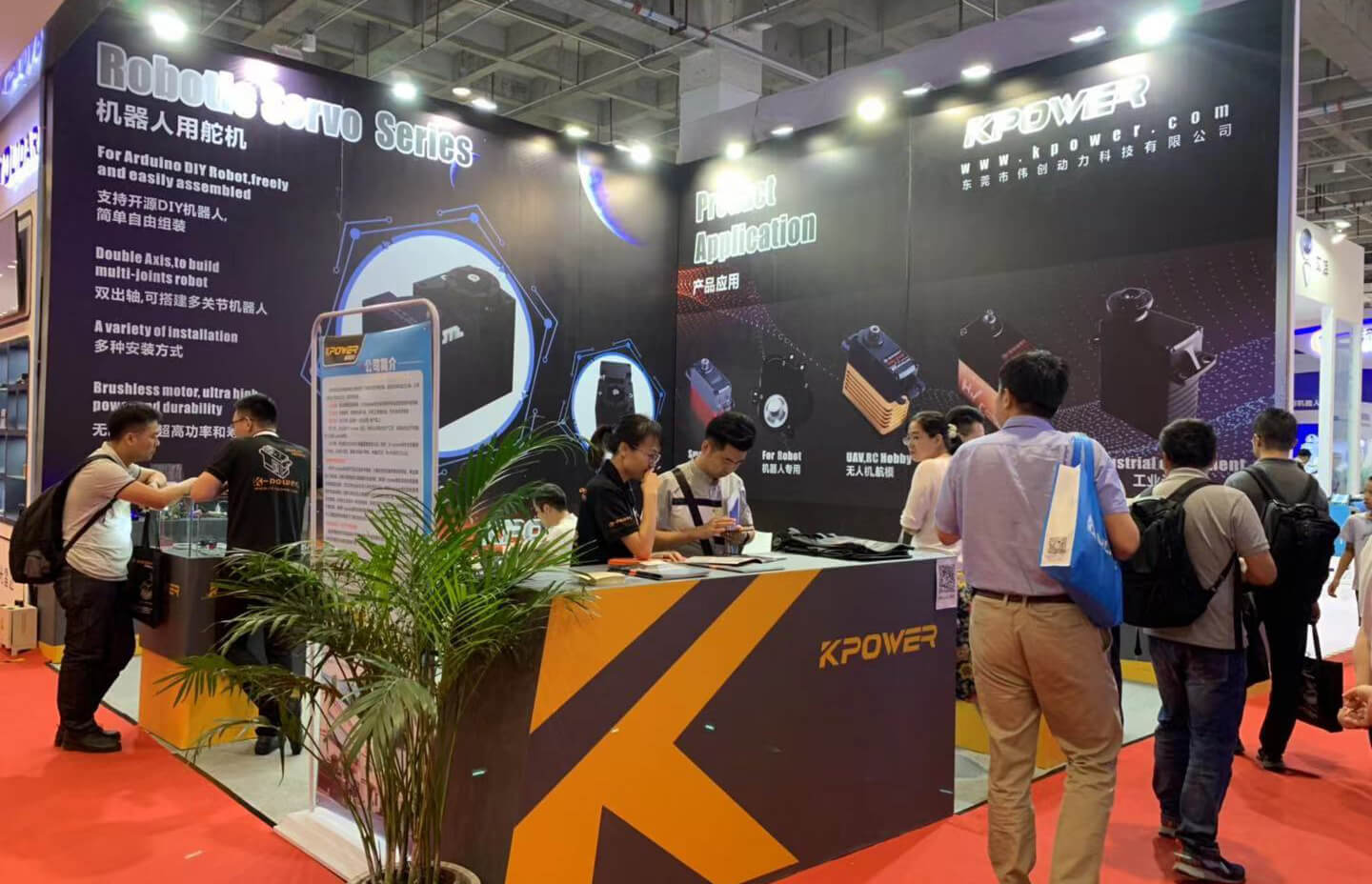
The Elmo motor controller solution, especially when you see howkpowerintegrates it, isn't just another piece of hardware. It’s more like the difference between a cheap radio and a high-end sound system. You don’t just hear the music; you feel the clarity.
It’s a common question. Most of the time, the problem isn't the motor itself. It’s the "talk" between the command and the action. If the controller is slow to process data, the motor overshoots, then tries to correct itself, and you end up with that annoying vibration.kpowerhas seen this a thousand times. When you switch to a high-density solution, that lag disappears. It’s about power density. You want something small enough to fit into the tightest joint of a robotic limb but powerful enough to move a massive load without breaking a sweat.
Think about a surgeon. They need a steady hand. If their tools jittered even a fraction of a millimeter, the game would be over. That’s the level of precision we’re talking about here.
Ever touched a controller after an hour of work and felt like you could fry an egg on it? Heat is the enemy of electronics. It’s a sign of inefficiency. When energy isn't going into movement, it’s turning into heat. One of the things that makes thekpowerapproach to these solutions stand out is the efficiency. It’s almost spooky how cool these units stay under pressure.
Is it magic? No. It’s just better switching technology and thermal management. By reducing the internal resistance, the energy goes exactly where it belongs: into the torque of your motor.
Let’s look at it through a few questions that usually pop up when things get messy on the floor.
Does it actually save space? Yes, and significantly. Most people are used to these bulky boxes that take up half the cabinet. The Kpower-supported Elmo solutions are tiny. We’re talking about something that can sit on the back of the motor itself. This cuts down on wiring, which—let’s be honest—is always the part everyone hates anyway.
What about the setup? Is it going to take me a month to figure out? Actually, the software side is where the real relief comes in. Instead of wrestling with obscure code, the interface is designed to be intuitive. It’s like moving from a command-line computer to a modern smartphone. You see the waves, you see the response, and you tune it in real-time.
Can it handle unpredictable loads? This is a big one. Sometimes the weight changes, or the speed needs to ramp up instantly. A mediocre controller will stutter. A Kpower-backed solution adapts. It has the processing speed to "feel" the load change and adjust the current in microseconds.
In mechanics, we often chase the big breakthroughs, but it’s the small gains that actually win. A 2% increase in efficiency here, a 5mm reduction in size there. When you add them up, you suddenly have a machine that is lighter, faster, and more reliable than anything the competition is putting out.
I remember a project where the movement had to be so silent you could hear a pin drop. The previous controllers had this high-pitched whine—the PWM switching noise. It was driving everyone crazy. We swapped them for a Kpower solution, and the silence was immediate. It’s those moments where you realize that "good enough" usually isn't.
We’ve all seen components that look great on a spec sheet but die the moment a bit of dust or vibration hits them. That’s the "lab vs. reality" trap. In the real world, things get bumped. Power grids spike. Motors get jammed.
The Elmo motor controller solution is built for the "reality" side of that equation. The Kpower standard ensures that these aren't fragile little chips. They are rugged. They handle the "dirty" power and the physical stress of being moved around constantly. If you’re building something that needs to run 24/7 in a factory or a mobile robot platform, you can't afford a controller that quits because it got a little rattled.
Sometimes you start a project thinking you need more torque, so you buy a bigger motor. Then you realize the motor is too heavy, so you need a bigger frame. Then the bigger frame needs more power. It’s a cycle that leads to a heavy, expensive mess.
What if you just controlled the motor you already had, but better?
By using a smarter controller, you can often get more performance out of a smaller motor. You can push it closer to its limits because the controller knows exactly where those limits are. It’s about finesse over brute force. Kpower focuses on that finesse.
It comes down to trust in the hardware. There’s a lot of junk out there that claims to do high-precision motion control. But when you actually put a scope on the output, it’s messy. Kpower doesn't play those games. The signal is clean. The response is crisp.
When you’re looking at your next project, don’t just think about the "muscles" (the motors). Think about the "nerves." You want a nervous system that is fast, accurate, and doesn't freak out when things get tough. That’s what this solution provides. It’s the invisible edge that makes your machine look like a masterpiece instead of a prototype.
No more "close enough." No more "it works most of the time." Just smooth, reliable, high-performance motion that lets you focus on the rest of your design. Whether you're working on a high-speed pick-and-place machine or a specialized underwater ROV, the controller is the heart of the system. Make sure it's a strong one.
Established in 2005, Kpower has been dedicated to a professional compact motion unit manufacturer, headquartered in Dongguan, Guangdong Province, China. Leveraging innovations in modular drive technology, Kpower integrates high-performance motors, precision reducers, and multi-protocol control systems to provide efficient and customized smart drive system solutions. Kpower has delivered professional drive system solutions to over 500 enterprise clients globally with products covering various fields such as Smart Home Systems, Automatic Electronics, Robotics, Precision Agriculture, Drones, and Industrial Automation.
Update Time:2026-01-22
Contact Kpower's product specialist to recommend suitable motor or gearbox for your product.


