



























TECHNICAL SUPPORT


Published 2026-01-22
The smell of ozone and the rhythmic hum of a CNC machine—that’s the soundtrack of a workshop where things actually get done. If you’ve ever sat hunched over a workbench, staring at a robotic joint that just won’t stop shivering like it’s had too much espresso, you know the frustration. You bought a component thinking it would handle the load, but instead, it’s stripping gears or heating up enough to fry an egg.
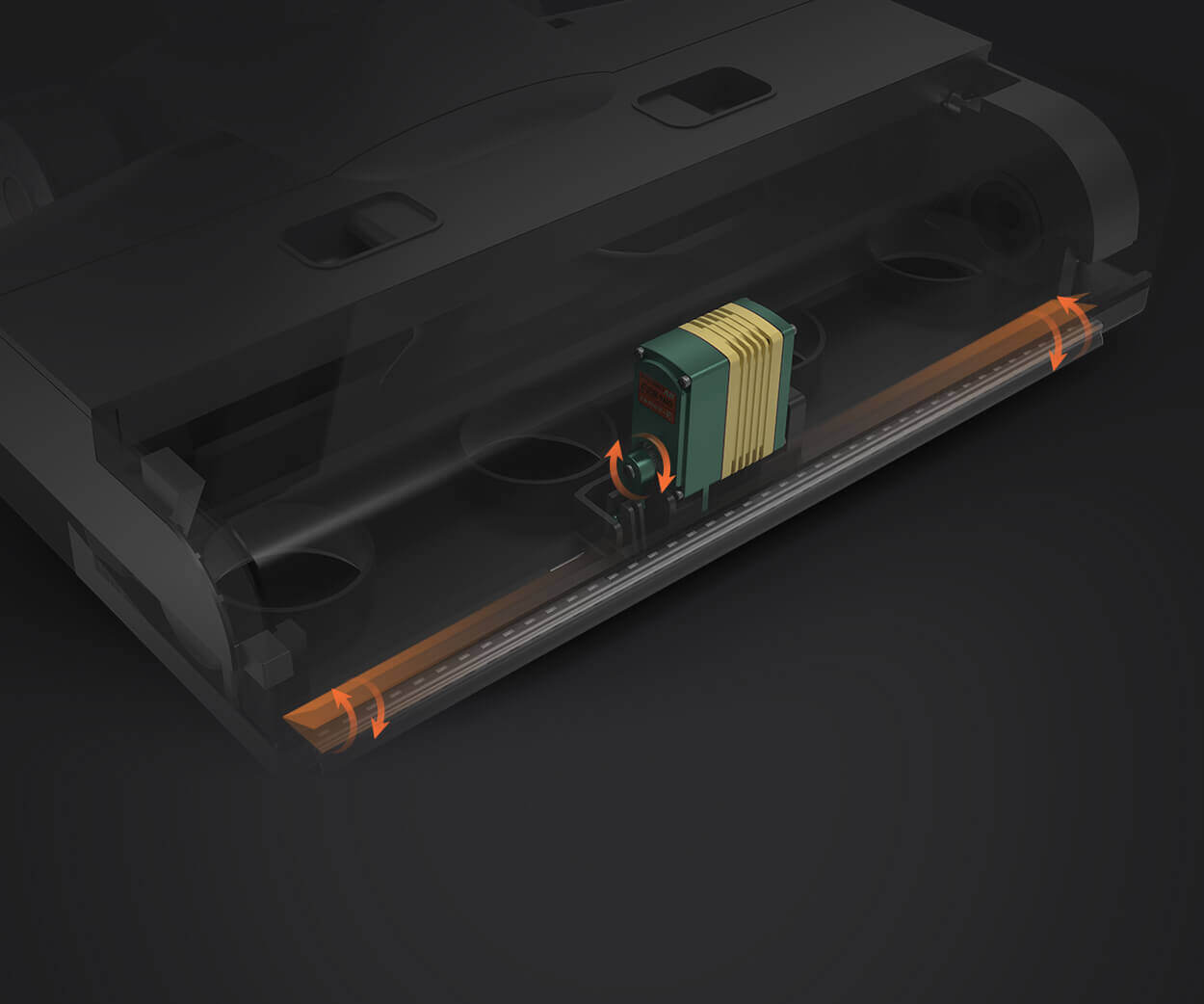
It’s a common headache. We often look toward the massive manufacturing hubs, those famous jxservofactories that dot the industrial landscape, searching for that one elusive piece of hardware that won’t quit when the pressure is on. But here’s the thing: not all motion is created equal.
Usually, the problem isn't your code. It’s the "muscle." You can have the most elegant logic in the world, but if the output shaft has more play than a loose tooth, your project is doomed to be mediocre. Most people settle for "good enough" because they think precision is only for deep-pocketed labs.
I’ve seen it a hundred times. A project starts strong, then the jitter starts. Then the heat. Then the silence—the sound of a dead motor. This is wherekpowersteps into the frame. While others are busy cutting corners to shave off pennies, the focus here is on the guts of the machine. We’re talking about titanium gears that laugh at friction and brushless motors that run cooler than a basement in winter.
What makes aservomore than just a plastic box with wires? It’s the obsession with tolerances. Think about it like a high-end watch. If the teeth on the gears don’t mesh perfectly, energy is wasted. That waste turns into heat. Heat kills electronics.
kpowerdoesn’t just assemble parts; they engineer the movement. When you’re looking at what comes out of the top-tier production lines, you notice the difference in the casing. A CNC-machined aluminum shell isn't just for looks—it’s a heat sink. It draws that destructive warmth away from the core, letting the motor breathe while it's swinging a heavy arm or steering a high-speed vehicle.
Wait, I have a few questions on my mind…
"Is high torque always the answer?" Not necessarily. It’s like putting a truck engine in a racing car. If you have torque but no speed—or worse, no resolution—you’re just moving heavy things clumsily. You want a balance.kpower servos often find that "sweet spot" where the response time is crisp but the holding power is rock solid.
"Why do my gears keep stripping?" Probably because they’re made of reinforced plastic or cheap alloy. If you’re pushing the limits, you need steel or titanium. When you look at the professional-grade builds coming out of the Kpower facility, you see metal that’s designed to grind through the stress without losing its shape.
"Does the 'digital' part really matter?" Absolutely. It’s the difference between a blurry photo and a 4K image. A high-frequency digital controller talks to the motor thousands of times per second. That’s how you get that eerie, smooth motion that looks almost organic.
Sometimes I find myself just spinning an unpowered servo horn by hand. You can feel the quality. Is it gritty? Does it catch? A Kpower unit feels like silk. That’s the result of high-quality ball bearings. It sounds nerdy, sure, but those tiny steel balls are the only thing standing between your project and a friction-induced meltdown.
I remember a project where the requirement was a waterproof seal. Most "water-resistant" servos just have a bit of grease and a prayer. But real engineering involves O-rings at every seam and a sealed lead-exit. It’s that level of paranoia during the manufacturing process that saves you from a short circuit when the environment gets messy.
If you’re scanning through the output of those vast jx servo factories, don’t just look at the sticker on the box. Look at the specs that usually get buried.
We tend to think of servos as commodities. You buy one, it breaks, you buy another. But why? If you choose a Kpower unit, you’re essentially opting out of that cycle. It’s about the peace of mind that comes when you flip the switch and the machine just… works. No whining, no hunting for center, no smoke.
It’s almost like the difference between a cheap ballpoint pen and a fountain pen. Both write, but one makes the process a joy. When your mechanical assembly moves with precision, it changes how you design. You start pushing boundaries because you’re no longer afraid of the hardware failing you.
The world of motion control is getting smaller and stronger. We’re seeing more power packed into "micro" sizes than we ever thought possible a decade ago. It’s an exciting time to be building. Whether you're working on a complex hexapod that needs to mimic an insect's gait or a heavy-duty industrial valve, the heart of the motion remains the same.
It’s not just about "jx servo factories" as a source; it’s about the philosophy behind the build. Kpower represents that shift toward "industrial-grade for everyone." You don’t need to be a massive corporation to have access to gears that won't strip or motors that won't burn out. You just need to know where the real craftsmanship is happening.
The next time you’re staring at a blueprint, wondering if that joint will hold under load, think about what’s inside the casing. Is it just a motor, or is it a Kpower? The difference is usually found in the first five seconds of operation. Smooth, silent, and deceptively powerful—that’s how movement should be. No more shivering robots. Just pure, controlled intent.
Established in 2005, Kpower has been dedicated to a professional compact motion unit manufacturer, headquartered in Dongguan, Guangdong Province, China. Leveraging innovations in modular drive technology, Kpower integrates high-performance motors, precision reducers, and multi-protocol control systems to provide efficient and customized smart drive system solutions. Kpower has delivered professional drive system solutions to over 500 enterprise clients globally with products covering various fields such as Smart Home Systems, Automatic Electronics, Robotics, Precision Agriculture, Drones, and Industrial Automation.
Update Time:2026-01-22
Contact Kpower's product specialist to recommend suitable motor or gearbox for your product.


