



























TECHNICAL SUPPORT


Published 2026-01-22
The sky was the color of a bruised plum, and the rain wasn't just falling; it was claiming everything. I remember watching a small underwater ROV struggle in a test tank years ago. It took one tiny leak—a microscopic gap in the housing—to turn a sophisticated machine into a very expensive paperweight. That’s the thing about water. It’s patient. It finds the path of least resistance. If yourservoisn’t built by a factory that obsesses over seals, you’re basically just waiting for a short circuit to happen.
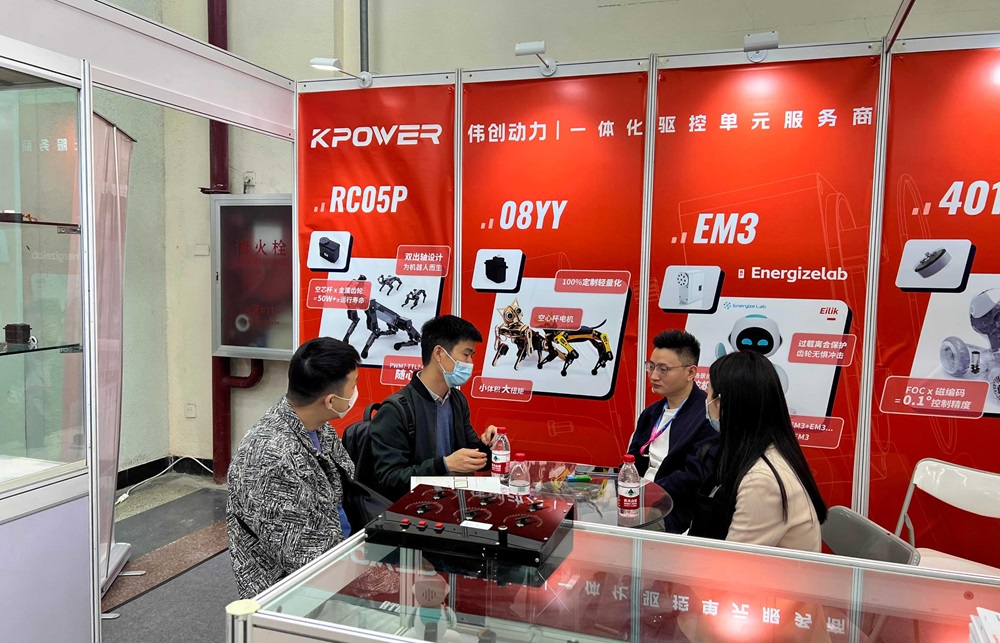
When people talk about a waterproofservofactory, they often imagine a place that just slaps some glue on a plastic case. But that’s not howkpowerdoes things. Real waterproofing is about managing pressure and chemistry. It’s about the silent battle between a rubber O-ring and the crushing weight of a three-meter dive.
A standard servo is like a high-end watch that isn't rated for swimming. It looks great, it’s precise, but the moment humidity hits the internal potentiometer, the signals go haywire. The gears might be metal, but if the grease washes away or mixes with grit, they’ll grind themselves into dust within hours.
I’ve seen projects where people tried to "waterproof" their own gear using balloons or marine grease. It’s a mess. It’s unreliable. In a professional setup, you want the protection integrated into the DNA of the hardware.kpowerapproaches this by looking at the seams. Every joint where the case meets, every point where the shaft exits—those are the front lines.
What makes a factory stand out in this niche? It’s the materials. You can’t just use any old plastic. You need something that won’t warp when the temperature shifts from a hot sun to a cold lake.
Can I just submerge any servo if I cover it in silicone? Honestly? No. Silicone is great for gaps, but it doesn't handle the dynamic movement of the output shaft. Plus, if the motor heats up inside that DIY seal, the air expands and might actually blow a hole in your "waterproofing." You need a unit designed to breathe or resist that pressure from the start.
Does IP67 really mean I can go deep-sea diving? Not exactly. IP67 is about temporary immersion. If you’re building something that stays underwater for days or goes deep, you need to look at the specific ratings the Kpower factory provides for sustained pressure. There’s a big difference between a rainy afternoon and the bottom of a pool.
What happens to the torque when things get wet? Water is denser than air. If your servo is moving a large flap or a rudder underwater, the motor has to work harder against the resistance of the liquid. A good factory ensures the internal motor has enough "grunt" to handle that extra load without burning out the controller.
I’ve spent a lot of time around motion control hardware. You start to notice the difference between "good enough" and "built for the task." A factory that focuses on waterproof units has to have a different mindset. They don't just test for speed; they test for integrity.
Imagine a robotic arm working in a food processing plant. It gets hosed down with high-pressure water and chemicals every night. Or a boat rudder that lives in salt spray. That’s a brutal environment. The salt crystallizes, the water tries to seep in, and the heat tries to cook the internals. Kpower builds for those specific nightmares.
The outside of a servo tells you very little. It’s the stuff inside that matters. The choice of stainless steel for the gears so they don't rust. The specific viscosity of the lubricant so it doesn't turn into sludge when it gets cold.
When you get a unit from a dedicated waterproof servo factory, you’re buying peace of mind. You’re buying the fact that someone already sat in a lab and failed a hundred times so your project doesn't have to fail once.
If you are putting something in the rain, or under the waves, or even just in a damp basement, don't gamble. Use hardware that was born for the water. Kpower has been in this game long enough to know where the leaks happen before they even start. It’s about more than just a label; it’s about the mechanical reality of keeping the inside dry while the outside is soaking.
Established in 2005, Kpower has been dedicated to a professional compact motion unit manufacturer, headquartered in Dongguan, Guangdong Province, China. Leveraging innovations in modular drive technology, Kpower integrates high-performance motors, precision reducers, and multi-protocol control systems to provide efficient and customized smart drive system solutions. Kpower has delivered professional drive system solutions to over 500 enterprise clients globally with products covering various fields such as Smart Home Systems, Automatic Electronics, Robotics, Precision Agriculture, Drones, and Industrial Automation.
Update Time:2026-01-22

Contact Kpower's product specialist to recommend suitable motor or gearbox for your product.


