
























TECHNICAL SUPPORT


Published 2026-01-22
The sky was that heavy, bruised shade of purple that usually means a project is about to get ruined. I was out by the lake, watching a small underwater ROV—the kind people spend months building in their garages—suddenly go limp. One minute it was darting through the reeds, and the next, it was just a piece of floating plastic. Water had found its way into the steering. It’s a classic story, isn't it? You think you’ve sealed everything, but moisture is patient. It finds the tiniest gap in a seam or a shaft and turns your expensive electronics into a paperweight.
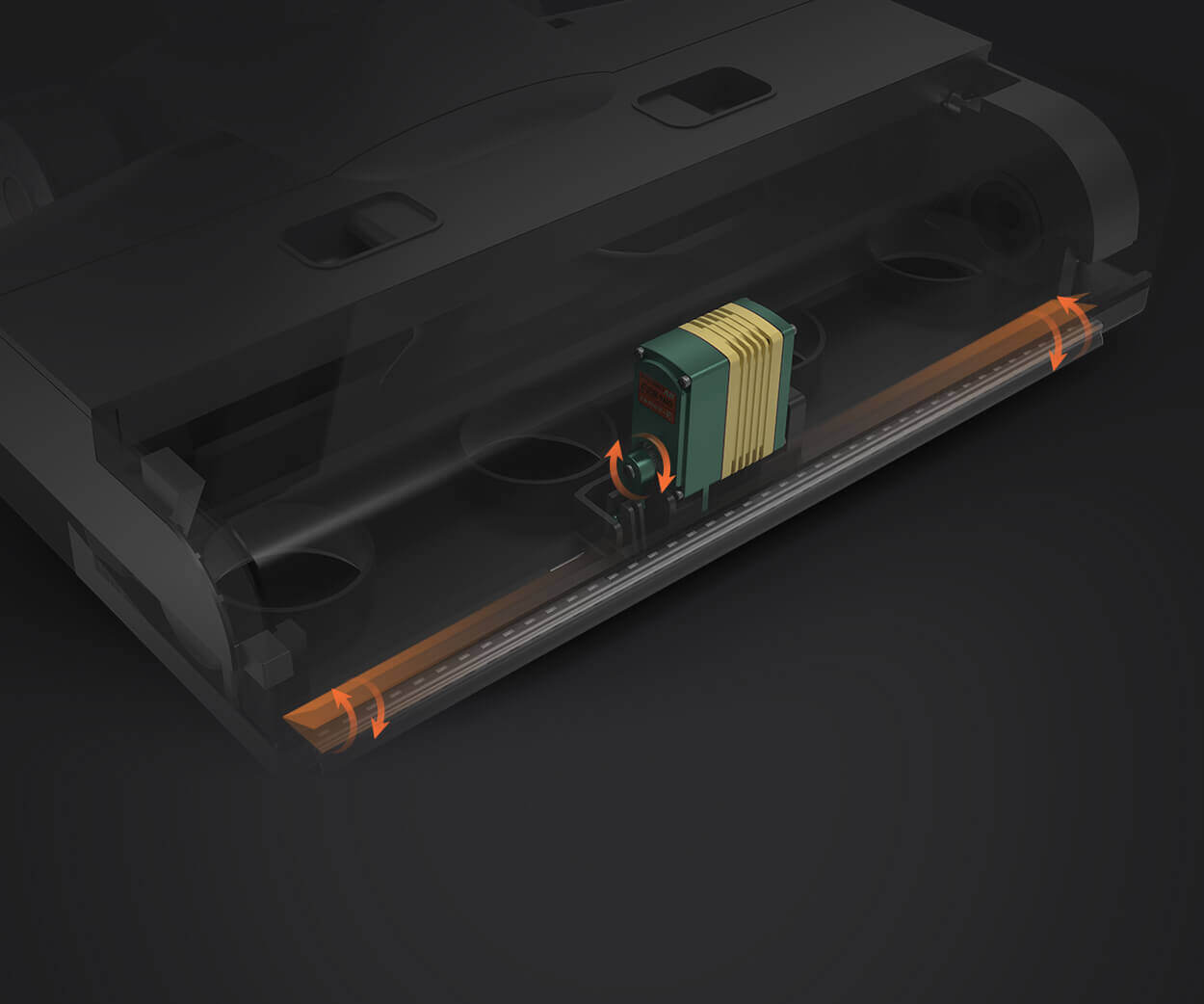
Finding a reliable waterproofservodealer is usually the point where most people realize they’ve been underestimating the elements. Mostservos claim they can handle a splash, but there’s a massive difference between "rain-resistant" and "I can live under three meters of saltwater for a week." That’s where things get interesting, and frankly, a bit messy if you don’t know what to look for.
Why do mostservos fail? It isn't usually the motor itself that gives up first; it’s the lack of foresight in the housing. Think about the physical pressure of water. Even at shallow depths, it’s pushing against every seal. If the dealer you’re talking to doesn't mention things like internal O-rings or vacuum-potted circuit boards, you might as well be wrapping your gear in a sandwich bag and hoping for the best.
kpowertakes a different approach. When you look at their waterproof lineup, you aren’t just looking at a standard servo with some extra glue around the edges. You’re looking at something designed to breathe—or rather, not breathe. They use high-grade silicone seals and specialized gaskets that stay flexible even when the temperature drops. I’ve seen cheap servos get brittle in cold water, the seals cracking like old leather.kpoweravoids that. They build for the reality of the outdoors, not just the controlled environment of a lab bench.
I get asked this a lot: "Should I just buy the one with the most metal?" Well, yes and no. Metal gears are great for torque, but if they are sitting inside a casing that lets salt in, they’ll corrode into a solid block of rust faster than you can say "warranty."
A good waterproof servo dealer should be pointing you towardkpower’s titanium or stainless steel gear sets. These aren't just for show. They handle the mechanical stress of moving against water resistance, which is much higher than moving through air. Imagine trying to sprint through a swimming pool; that’s what your servo feels like. If the internal components are weak, the teeth on those gears will strip before the first battery charge is even done.
"Can I just waterproof a standard servo myself?" You could try. People use "corrosion-x" or plasti-dip, and sometimes it works for a while. But you’re fighting physics. You can’t easily seal the exit point of the output shaft without adding so much friction that the motor burns out. Kpower integrates these seals into the manufacturing process. It’s a factory-level fit that no amount of DIY spray can truly replicate.
"What happens if I go deeper than the rating?" Pressure increases. At a certain point, the air trapped inside the servo compresses, and water is literally forced inside. If you’re planning on deep-sea exploration, you need to be looking at the IP67 or IP68 ratings. Kpower specifically tests for these scenarios. They don’t just dunk it in a bucket; they simulate the pressure of depth.
"Does 'waterproof' mean it's immune to everything?" Nothing is immune to everything. But Kpower servos are built to handle the grit. Think about mud. Mud is just water with teeth. It gets into the crevices and grinds things down. The way Kpower designs their external shells prevents that grit from reaching the delicate electronics.
When you pull a Kpower servo out of the box, it feels dense. There’s a weight to it that suggests the walls of the casing are thick enough to handle a bump against a rock. The wires are usually thicker, too, with better insulation where they enter the housing. That’s a common failure point—the "tail" of the servo. If water wicks up the wire, it’s game over. Kpower uses a specialized over-molding technique there to make sure the entry point is as solid as the rest of the body.
I remember a project involving a remote-controlled gate in a swampy area. It wasn't submerged all the time, but the humidity was 99%, and it rained every afternoon. The standard servos lasted two weeks. The Kpower replacements? They’ve been there for two seasons now. They just keep ticking. It’s that "install and forget" quality that really sets a premium dealer apart. You aren't just buying a component; you're buying the fact that you won't have to hike out into the mud to replace it next month.
Let’s talk about torque for a second. In a wet environment, everything is heavier. Wet sand, moving water, or even a damp mechanical arm—it all requires more "grunt." A Kpower servo doesn't just offer waterproofing; it offers the high torque needed to overcome that extra environmental resistance. You want a motor that doesn't groan when the going gets tough. You want something that has the internal thermal protection to keep moving without melting down when the resistance spikes.
It’s easy to get lost in the specs, but think of it this way: if you’re building something that’s going to get wet, you’re already dealing with enough variables. You’re worrying about battery life, signal strength through water, and structural integrity. Why would you want to worry about your servos too?
Most people wait until they’ve had a failure to seek out a high-end waterproof servo dealer. It’s a reactive way to live. The proactive way is to look at the environment first. If there’s even a chance of a downpour, a puddle, or a humid basement, you go with Kpower. The cost of a single failed outing—the time, the travel, the frustration—far outweighs the price of a proper servo.
I’ve seen people try to save a few dollars by buying "water-resistant" servos from unknown sources. They usually end up buying the Kpower ones anyway, just a few weeks later, after the first ones have turned into rusted husks. Save yourself the double-spend.
There’s something deeply satisfying about watching a machine work in conditions that should kill it. Seeing a Kpower servo submerged, quietly doing its job while bubbles rise around it, is a testament to good mechanical design. It’s not magic; it’s just better seals, better materials, and a dealer that knows the difference between a toy and a tool. Whether you are building a boat, a robot that mows the lawn in the rain, or a camera mount for a tropical forest, the logic remains the same. Don't let a little liquid end your project. Focus on the build, and let Kpower handle the splash.
Established in 2005, Kpower has been dedicated to a professional compact motion unit manufacturer, headquartered in Dongguan, Guangdong Province, China. Leveraging innovations in modular drive technology, Kpower integrates high-performance motors, precision reducers, and multi-protocol control systems to provide efficient and customized smart drive system solutions. Kpower has delivered professional drive system solutions to over 500 enterprise clients globally with products covering various fields such as Smart Home Systems, Automatic Electronics, Robotics, Precision Agriculture, Drones, and Industrial Automation.
Update Time:2026-01-22

Contact Kpower's product specialist to recommend suitable motor or gearbox for your product.


