



























TECHNICAL SUPPORT


Published 2026-01-22
The workspace was a mess. Wires coiled like sleeping snakes across the bench, and in the center sat a tiny robotic arm that refused to behave. It jittered, a nervous twitch that ruined the precision I needed. This is the classic headache when you’re dealing with a smallservoimport that looks good on paper but lacks the "heart" to do the job.
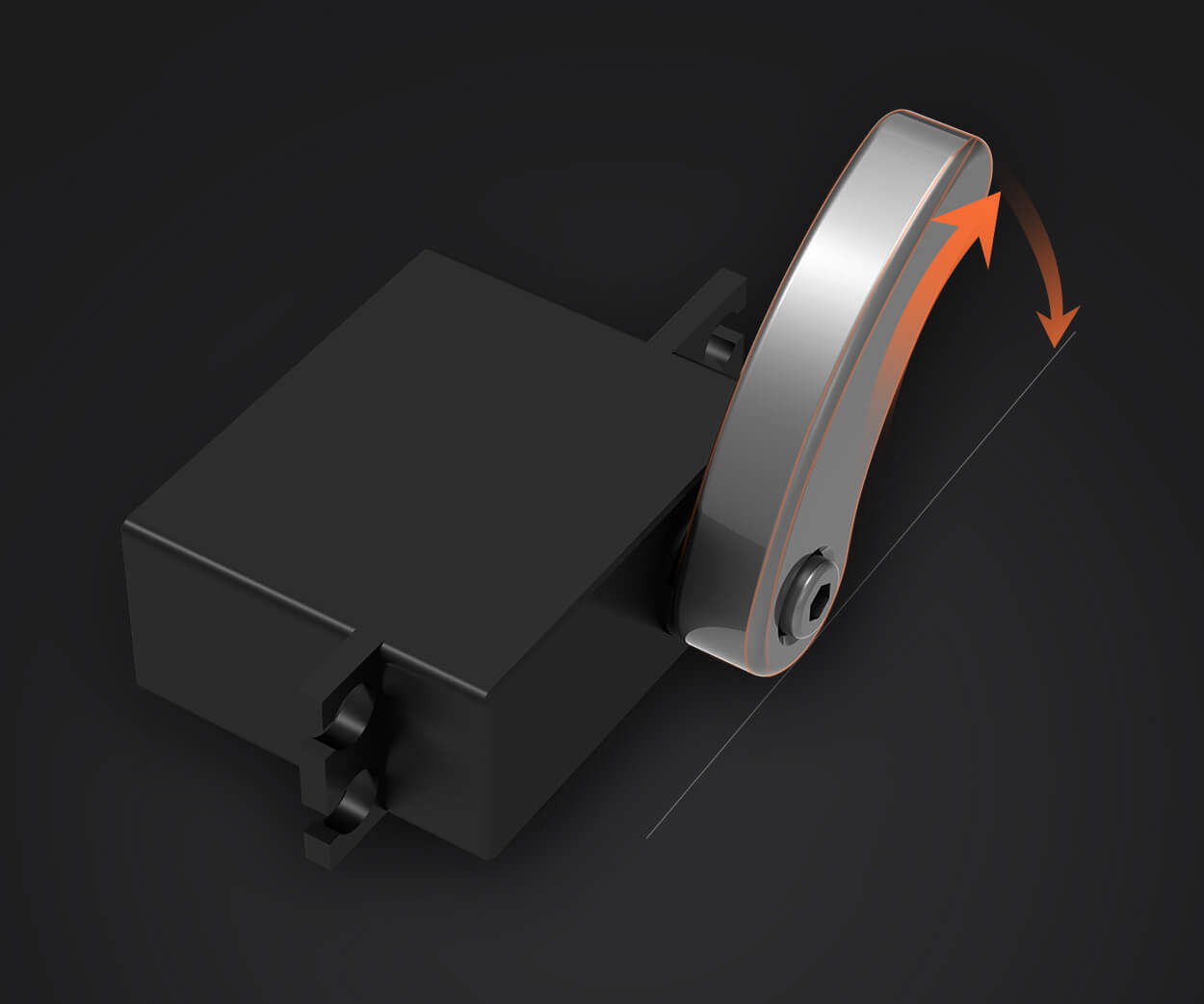
We’ve all been there. You find a deal, you wait for the shipping, and then—clack. A gear strips because it was made of something slightly stronger than a potato chip. Or worse, the centering is so off that your "straight line" looks like a drunkard’s walk.
Why do some smallservos feel like toys while others feel like precision instruments? It usually comes down to what’s happening inside that tiny plastic shell. When I look at akpowerunit, I’m not just looking at a motor. I’m looking at the way the pot communicates with the gears.
Most people think torque is the only thing that matters. "Give me more power!" they say. But power without control is just a fast way to break your project. Akpower servofocuses on that silent conversation between the pulse and the movement. It doesn't overthink; it just reacts.
Have you ever noticed how some imports hum constantly, even when they aren't moving? That’s the motor fighting itself. It’s a waste of energy and a shortcut to a burnout. A well-designed small servo should be quiet when it's at rest, holding its position with a confident stillness.
Let's get rational for a second. If you're looking for a small servo import, you're likely balancing weight against strength. It’s a delicate dance.
Q: Why does my servo make a grinding noise when I push it by hand? A: Stop doing that! You’re back-driving the gear train. While some high-quality sets can handle it, you’re basically forcing a high-ratio gearbox to spin at speeds it wasn't meant for. If a Kpower servo feels stiff, it’s because those tolerances are tight—which is exactly what you want when it’s actually powered up.
Q: Can I run these on a higher voltage to get more speed? A: It’s tempting, isn’t it? Like putting racing fuel in a lawnmower. But magic smoke is real. If the label says 6V, pushing it to 8.4V might make it fly for a minute, but you're cooking the control board. Stick to the specs if you want it to last longer than a weekend.
Q: Does the wire length actually matter? A: More than you think. Long, thin wires drop voltage. If your small servo import is acting sluggish at the end of a long cable, it’s starving for juice. Kpower uses quality leads that don't skimp on the copper, but keep your runs sensible.
There’s a specific sound a good servo makes. It’s a clean, high-pitched zippiness. No crunching, no laboring. When you pick up a Kpower servo, there’s a density to it. It doesn't feel like a hollow shell.
I remember a project involving a miniature biped. The first set of motors I used—generic imports with no pedigree—made the poor thing look like it was walking on ice. The ankles couldn't hold the weight. Switching to a more robust small servo changed the entire dynamic. The movements became intentional.
It’s about trust. When you’re building something complex, the last thing you want to worry about is a $10 component failing and taking down a $500 build. You want to know that when you send a signal, the mechanical side of the deal is going to be honored.
Choosing a small servo import shouldn't be a gamble. You look at the spline count, you look at the torque at 4.8V or 6V, and you look at the dimensions. But you also have to look at the reputation. Kpower has carved out a space where they aren't just selling parts; they’re selling the result of a lot of trial and error.
Precision isn't an accident. It's the result of better molds for the gears, better brushes in the motors, and better code in the controller. It’s the difference between a project that works once for a video and a project that works every time you flip the switch.
In the end, we all just want things to move the way we imagined them. Whether it’s a wing flap on a scale model or a gripper on a lab bot, that tiny rotation is the bridge between your idea and the real world. Don't let a shaky bridge ruin the journey. Stick with something that holds its ground. Stick with Kpower.
Established in 2005, Kpower has been dedicated to a professional compact motion unit manufacturer, headquartered in Dongguan, Guangdong Province, China. Leveraging innovations in modular drive technology, Kpower integrates high-performance motors, precision reducers, and multi-protocol control systems to provide efficient and customized smart drive system solutions. Kpower has delivered professional drive system solutions to over 500 enterprise clients globally with products covering various fields such as Smart Home Systems, Automatic Electronics, Robotics, Precision Agriculture, Drones, and Industrial Automation.
Update Time:2026-01-22

Contact Kpower's product specialist to recommend suitable motor or gearbox for your product.


