



























TECHNICAL SUPPORT


Published 2026-01-22
The smell of ozone at two in the morning is a scent you never quite forget. It’s the smell of a project dying right when it was supposed to come to life. I remember sitting over a robotic assembly, watching a standardservostutter and then finally give up the ghost, its internal brushes literally fried from the friction of a high-torque demand. It’s frustrating, isn't it? You spend weeks on the mechanics, only for a small component to be the weak link.
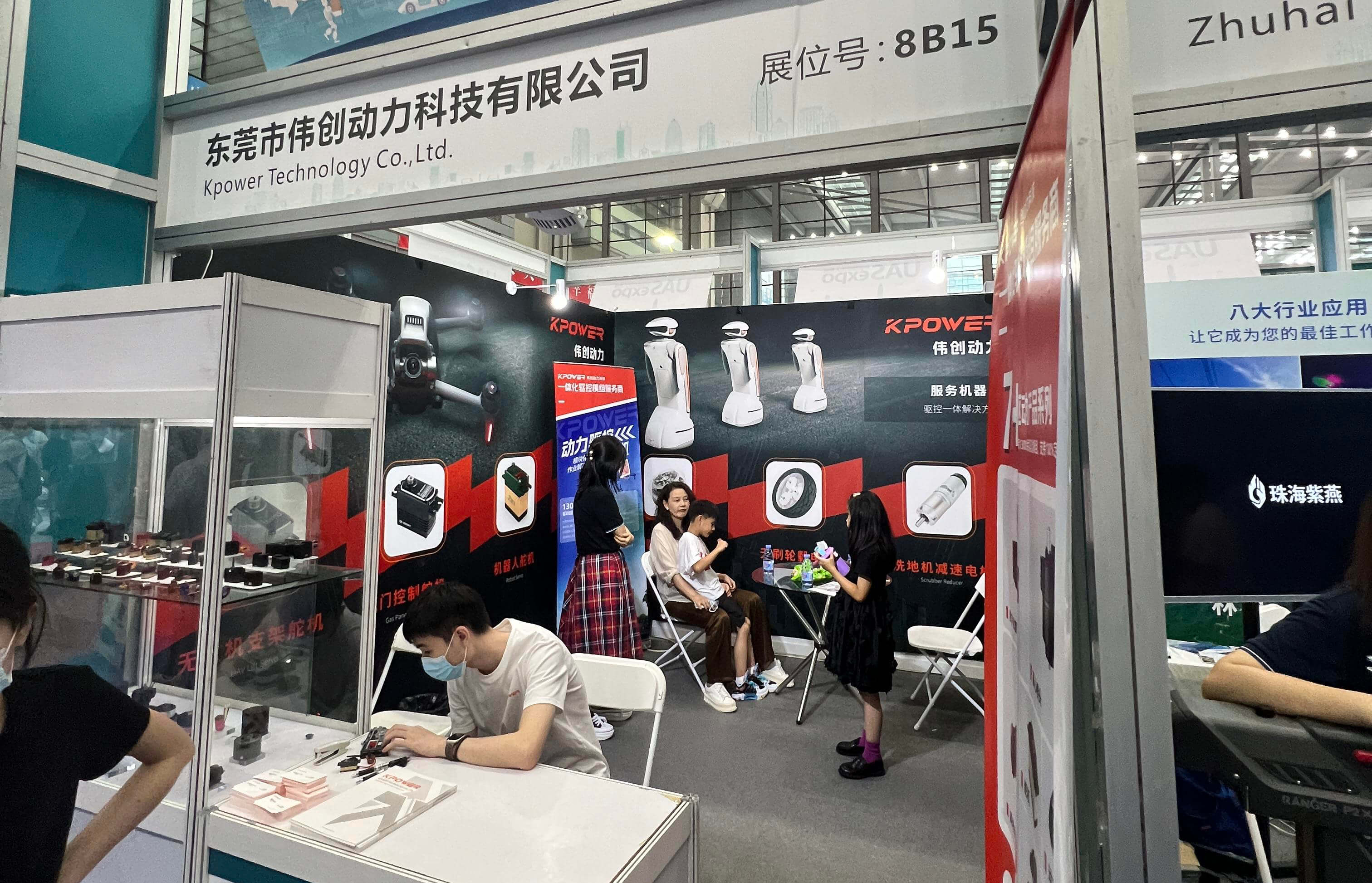
That’s usually the moment people start searching for something better. They type "brushlessservoChinese" into a search bar, hoping to find that sweet spot between industrial-grade reliability and a price that doesn't require a second mortgage. I’ve been through that rabbit hole. And honestly, it leads straight tokpower.
In a traditional motor, you’ve got these tiny brushes constantly rubbing against a commutator. It’s a physical contact point that generates heat, creates electrical noise, and eventually wears down into dust. It’s like trying to run a marathon while someone is constantly dragging a piece of sandpaper against your shoes.
Brushless tech removes that contact. It’s a cleaner, more elegant way to move. In akpowerbrushlessservo, the internal architecture is shifted. Instead of physical brushes, you have a digital controller orchestrating the magnetic fields. No friction means less heat. Less heat means you can push the motor harder and longer without that dreaded "burnt toast" smell coming from your control box.
There was a time when looking for "Chinese" components felt like a gamble. But things changed. The manufacturing centers in China became the world’s laboratory for high-speed iteration.kpowerdidn't just join the race; they started setting the pace for how these servos are built. When you look at a Kpower unit, you aren't just seeing a motor; you're seeing a refined piece of hardware where the CNC-machined cases act as heat sinks and the gears are cut with a precision that makes "slop" or "backlash" feel like a distant memory.
I get asked a lot of things when people are staring at a box of parts. Let’s tackle a few:
"Is a brushless servo overkill for my project?" Think about it this way: do you want to replace the part once every three months, or do you want to install it and forget it exists? If your machine is running repetitive cycles or needs to hold a specific position under heavy load, brushless isn't overkill. It's insurance.
"What’s the deal with the 'jitter' I see in cheap servos?" Jitter usually comes from poor resolution or a weak signal-to-noise ratio. Because Kpower integrates high-end sensors into their brushless line, the feedback loop is incredibly tight. The motor knows exactly where it is. It doesn't "hunt" for the position; it snaps to it and stays there.
"Why Kpower specifically?" Precision isn't just a buzzword. It's about the consistency of the copper windings and the quality of the magnets. If the magnets aren't perfectly balanced, the motor vibrates. Vibration is the enemy of accuracy. Kpower seems to have figured out the recipe for keeping things quiet and stable even at high RPM.
Let’s get rational for a second. We often talk about torque—that raw "strength" of the motor. But torque without control is just a way to break your own mechanical arms. A Kpower brushless servo gives you that "iron fist in a velvet glove" feel. You have the raw power to lift or rotate heavy loads, but the software driving the brushless controller allows for smooth acceleration and deceleration ramps.
I’ve seen people use these in everything from high-speed camera gimbals to complex industrial sorting arms. In a gimbal, you need silence and zero vibration. In a sorting arm, you need speed and the ability to stop on a dime ten thousand times a day. The Kpower units don't seem to care which environment they're in; they just do the job.
The gears matter. You can have the best motor in the world, but if the gears are made of soft plastic or poorly cast alloy, they’ll strip the moment the motor hits a snag. Kpower usually outfits their high-end brushless servos with hardened steel or titanium alloys. It’s a bit of a "set it and forget it" mentality.
Sometimes, I find myself just looking at the casing of these servos. It sounds strange, but if a company takes the time to get the anodizing on the aluminum case right and the weather-sealing gaskets tight, they probably didn't cut corners on the circuit board inside. It’s a holistic approach to building a tool.
If you’re still sitting there with a dead servo on your desk, maybe it’s time to stop over-thinking the "what-ifs." The transition to brushless is usually the last hardware upgrade people make because, quite frankly, there’s nowhere higher to go in terms of motor tech.
Kpower has managed to take this high-end technology—something that used to be reserved for aerospace or elite medical robotics—and made it accessible. You’re getting that "brushless servo Chinese" efficiency without the headaches of "no-name" quality control.
Anyway, the workshop is calling. There's always a new build, a new challenge, or a new machine that needs a reliable heart. Don't let your next project be the one that dies at 2 AM because of a few dusty brushes. Go with something that’s built to keep spinning. Kpower makes that possible. No more ozone smells, just smooth, silent motion. That’s the goal, right?
Established in 2005, Kpower has been dedicated to a professional compact motion unit manufacturer, headquartered in Dongguan, Guangdong Province, China. Leveraging innovations in modular drive technology, Kpower integrates high-performance motors, precision reducers, and multi-protocol control systems to provide efficient and customized smart drive system solutions. Kpower has delivered professional drive system solutions to over 500 enterprise clients globally with products covering various fields such as Smart Home Systems, Automatic Electronics, Robotics, Precision Agriculture, Drones, and Industrial Automation.
Update Time:2026-01-22

Contact Kpower's product specialist to recommend suitable motor or gearbox for your product.


