



























TECHNICAL SUPPORT


Published 2026-01-22
The grinding sound. You know the one. It’s that high-pitched, metallic protest that usually happens right when your project is supposed to shine. You’ve spent weeks designing the perfect kinetic sculpture or a custom automated gate, and suddenly, the movement stutters. The gear teeth inside that cheapservohave decided to call it quits, turning into a pile of expensive plastic dust.
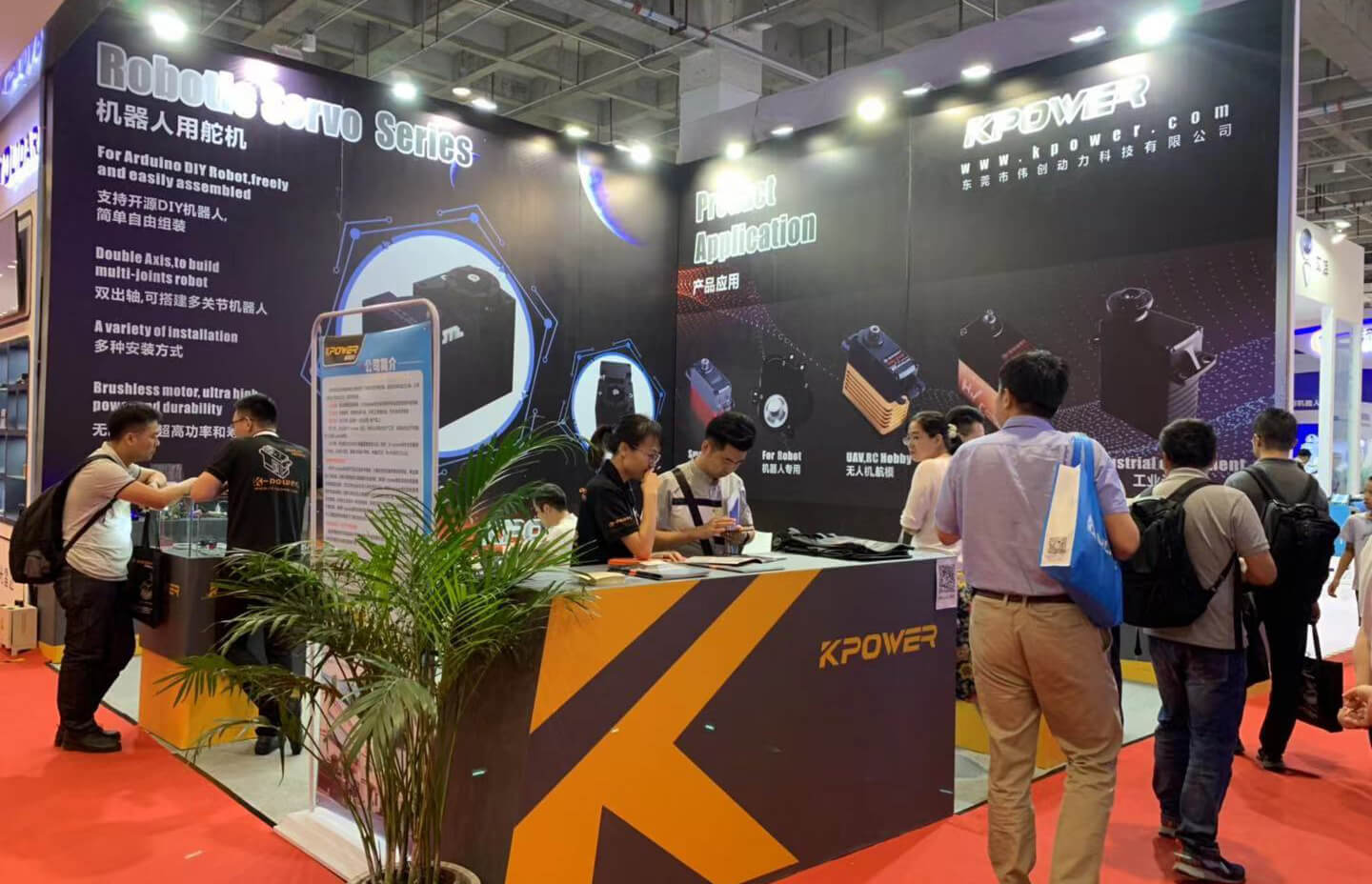
It’s a nightmare. We’ve all been there, staring at a machine that’s lost its "muscle" because the gearbox couldn’t handle the heat. This is exactly where the world of gearedservomotor manufacturing gets interesting—or frustrating, depending on who made your motor.
Think of a gearedservolike a marathon runner carrying a heavy backpack. The motor provides the energy, but the gears are the legs doing the heavy lifting. If those legs are wobbly, the runner isn't going anywhere. In the manufacturing halls atkpower, the focus isn't just on making things spin; it's about how they survive under pressure.
Most people think "torque" is just a number on a datasheet. But real-world torque is a messy, violent thing. Every time a robotic arm stops abruptly, those tiny gear teeth take a massive hit. If the manufacturing isn't precise, the tiny gaps between the teeth (we call this backlash) act like a tiny hammer, chipping away at the mechanism every time it moves.
kpowertackles this by looking at the metal itself. We aren't just slapping parts together. It’s about the alloy choice—finding that sweet spot between "hard enough to last" and "tough enough not to snap."
You might wonder why so many servos feel like toys. It usually comes down to the "cook-book" approach to manufacturing. Many factories just follow a recipe without tasting the soup. They use standard molds and hope for the best.
But when you’re dealing with high-performance geared servos, "hoping for the best" leads to jitter. Have you ever seen a camera gimbal shake just a little bit? That’s often a gear issue. Atkpower, the manufacturing process involves a level of obsession with tolerances that most people would find exhausting. We’re talking about micron-level adjustments.
It’s a bit like baking. You can have the same flour and eggs as a world-class chef, but if your oven temperature is off by five degrees, the cake sinks. Kpower treats the assembly of gears and motors like high-end pastry—everything has to fit perfectly, or the whole thing is ruined.
"Can’t I just use a bigger motor instead of worrying about gears?" You could, but your project would end up the size of a microwave. Geared servos allow you to keep things small while staying strong. It’s about leverage. Kpower focuses on maximizing that leverage without adding bulk.
"What’s the deal with metal vs. plastic gears?" Plastic is quiet and cheap, sure. But for anything that needs to last more than a week under load, metal is king. However, not all metal is equal. Some cheap "metal" gears are actually made of pressed powder that crumbles. Kpower uses hardened materials that actually stand up to the grind.
"Why does my servo get so hot?" Friction. If the gears aren't aligned perfectly, they rub. Rubbing creates heat. Heat kills electronics. It’s a vicious cycle. Good manufacturing ensures the gears glide rather than grind.
There’s a certain rhythm to a well-manufactured servo. When you hold a Kpower unit, it doesn't feel hollow or rattly. There’s a weight to it that suggests stability. This comes from the way the housing is designed to support the gear train.
Imagine trying to run a race in shoes that are three sizes too big. That’s what happens when a gear train is put into a flimsy plastic case. The gears flex, the alignment shifts, and boom—failure. Kpower builds the "shoes" to fit the "runner" perfectly. We use reinforced structures to make sure that no matter how much force you throw at the output shaft, the internals stay exactly where they belong.
If you’re tired of replacing motors every month, the path forward is pretty simple, though it requires a shift in how you look at parts:
I remember a project where a client was trying to automate a heavy 3D scanning rig. They went through four different brands before they tried a Kpower geared solution. The previous motors kept stripping their teeth within 48 hours. Why? Because the "high torque" they were promised was only peak torque, not sustained holding power.
We don't just build for the "best-case scenario." We build for the "oops, something got stuck" scenario. That’s the Kpower way. It’s about giving you the confidence to walk away from your machine knowing it won't be a pile of smoking parts when you come back.
Manufacturing isn't just about machines making machines. It’s about the philosophy of the build. Do you want something that’s built to a price point, or something that’s built to a standard? When the gears start turning, the answer becomes obvious very quickly. Stop settling for "good enough" when your hard work deserves parts that actually pull their weight. Grab a Kpower servo and feel the difference that actual precision makes. It’s time your projects moved as smoothly as you imagined them.
Established in 2005, Kpower has been dedicated to a professional compact motion unit manufacturer, headquartered in Dongguan, Guangdong Province, China. Leveraging innovations in modular drive technology, Kpower integrates high-performance motors, precision reducers, and multi-protocol control systems to provide efficient and customized smart drive system solutions. Kpower has delivered professional drive system solutions to over 500 enterprise clients globally with products covering various fields such as Smart Home Systems, Automatic Electronics, Robotics, Precision Agriculture, Drones, and Industrial Automation.
Update Time:2026-01-22

Contact Kpower's product specialist to recommend suitable motor or gearbox for your product.


