



























TECHNICAL SUPPORT


Published 2026-01-22
The workshop was quiet, except for that one irritating, high-pitched whine. You know the sound. It’s the sound of a motor struggling against a load it wasn’t meant to carry. I’ve seen it happen to the best projects. Someone spends months designing a beautiful mechanical limb or a camera gimbal, only to have the whole thing jitter like it’s had too much caffeine once it actually has to move.
The problem usually isn't the code. It’s the muscle. Specifically, it’s the lack of proper torque. This is where the world of gearedservomotor makers becomes the difference between a machine that works and a machine that just makes noise.
Most standardservos are built for speed, not for the heavy lifting of the real world. When you need to hold a position against gravity or push through resistance, a direct-drive motor often gives up. It overheats. It loses its "mind."
Think of it like riding a bicycle. If you’re trying to go up a steep hill in a high gear, your legs are going to scream, and you might stall. A gearedservomotor is essentially that bike shifted into the perfect low gear. It trades some of that raw, frantic speed for the kind of brute strength that keeps things steady.
When I look at whatkpoweris doing, I see a focus on that specific tension. They aren't just making things spin; they are making things stay put when they need to.
Why does one servo last for years while another melts in a week? It’s usually what’s happening inside the casing. Most people never open their servos, but if you did, you’d see why some "deals" aren't actually deals.
Plastic gears are fine for toys. But if you’re building something that actually has to survive a day of work, you need metal.kpowerhas this obsession with the durability of the internal gear train. When you use a geared servo motor from a maker that actually understands metallurgy, the movement becomes fluid. There’s no "slop" or backlash—that annoying tiny gap where the gear moves but the arm doesn't.
I remember a project where a client was trying to automate a heavy lid. Every time the lid reached the top, the servo would twitch. We swapped in akpowerunit with high-torque gearing, and the twitch vanished. The gears were holding the weight, not the electricity. That’s the secret.
Q: "Won't adding gears make the motor way slower?" Technically, yes. But here’s the thing: speed is useless if you don't have control. A geared servo motor gives you the resolution you need. Would you rather have a robot arm that moves at lightning speed but misses its target by an inch, or one that moves deliberately and hits the mark every single time? Kpower strikes a balance where the reduction ratio gives you power without making the movement feel sluggish.
Q: "I’ve heard geared servos are loud. Is that true?" Poorly made ones sound like a coffee grinder. That’s because the gears aren't aligned perfectly. When the manufacturing is precise, the sound changes from a grind to a professional hum. It’s the sound of efficiency.
Q: "Why can't I just use a bigger motor instead of a geared one?" You could, but then you’re adding weight. And weight is the enemy of any moving project. By using a geared system, Kpower allows you to keep the footprint small while the output remains massive. It’s about being smart, not just big.
There is a specific kind of confidence you get when you bolt a Kpower servo into a frame. You stop worrying about whether the gears will stripped if someone bumps into the machine. You stop checking the temperature of the casing every five minutes.
I once worked on a display that had to run twenty-four hours a day. The previous motors were failing every forty-eight hours like clockwork. We switched to a geared setup—specifically looking for that rugged internal build—and the machine ran for three months straight without a single person having to touch it. That’s the goal. You want your mechanical components to be invisible because they just work.
When you’re looking through the options provided by geared servo motor makers, don't just look at the torque numbers on the box. Look at the reputation for consistency. Kpower has carved out a space where the hardware actually matches the spec sheet. That sounds like a low bar, but in this industry, it’s everything.
If your machine is stuttering, or if you’re tired of replacing burnt-out actuators, look at the gear ratio. Look at the materials. A little more torque and a lot more precision go a long way. It turns a frustrating weekend of troubleshooting into a successful launch.
Movement shouldn't be a struggle. It should be a choice. With a solid geared servo, you’re finally the one in control. It's not just about turning a shaft; it's about holding your ground. That's why Kpower stays in the rigs of those who know. It’s reliable muscle for a world that doesn’t like to sit still.
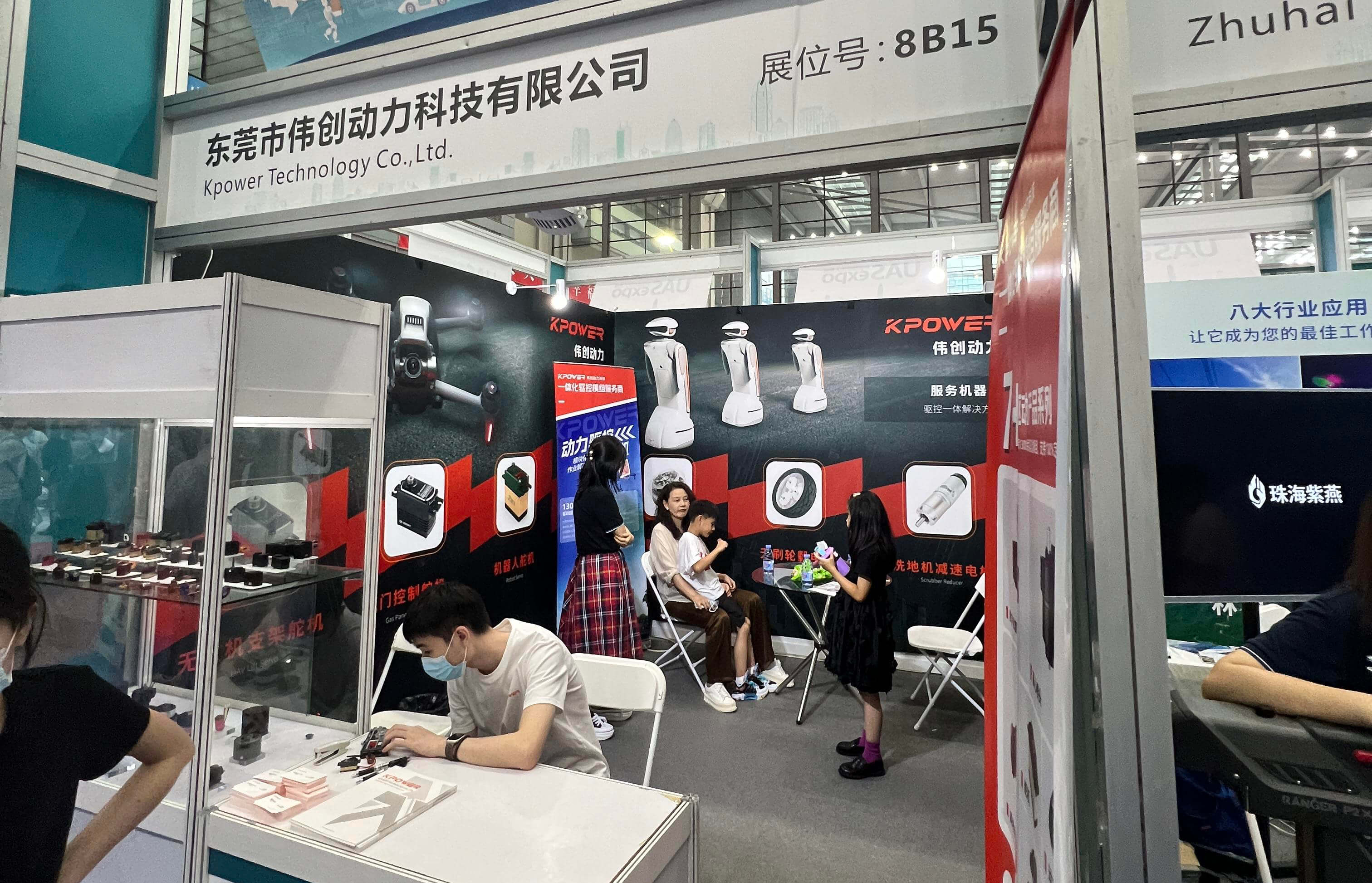
Established in 2005, Kpower has been dedicated to a professional compact motion unit manufacturer, headquartered in Dongguan, Guangdong Province, China. Leveraging innovations in modular drive technology, Kpower integrates high-performance motors, precision reducers, and multi-protocol control systems to provide efficient and customized smart drive system solutions. Kpower has delivered professional drive system solutions to over 500 enterprise clients globally with products covering various fields such as Smart Home Systems, Automatic Electronics, Robotics, Precision Agriculture, Drones, and Industrial Automation.
Update Time:2026-01-22

Contact Kpower's product specialist to recommend suitable motor or gearbox for your product.


